Aswan is the ideal next stop on an Egypt itinerary after chaotic Cairo. The town has traffic, too, but on a much smaller scale. And it offers plenty of opportunity for relaxing with a River Nile view and crossing it to explore peaceful, car-free Elephantine Island.
Here are eight great Aswan experiences you won’t want to miss.
1. Stay in a hotel with a Nile view
For Cairo, my friend and I chose a Giza hotel with a view of the pyramids and only saw the River Nile when crossing it in a car. So our priority for Aswan was a hotel with a Nile view, and the Obelisk Nile Hotel fitted the bill perfectly. We also chose it because the location is very central. It’s right on the Corniche, Aswan’s riverfront promenade, close to the souq and the ferry landing, and an easy walk to most sites of interest. It also has a pool alongside the river and a bar and restaurant with Nile-side seating. Perfect for watching the sun go down.
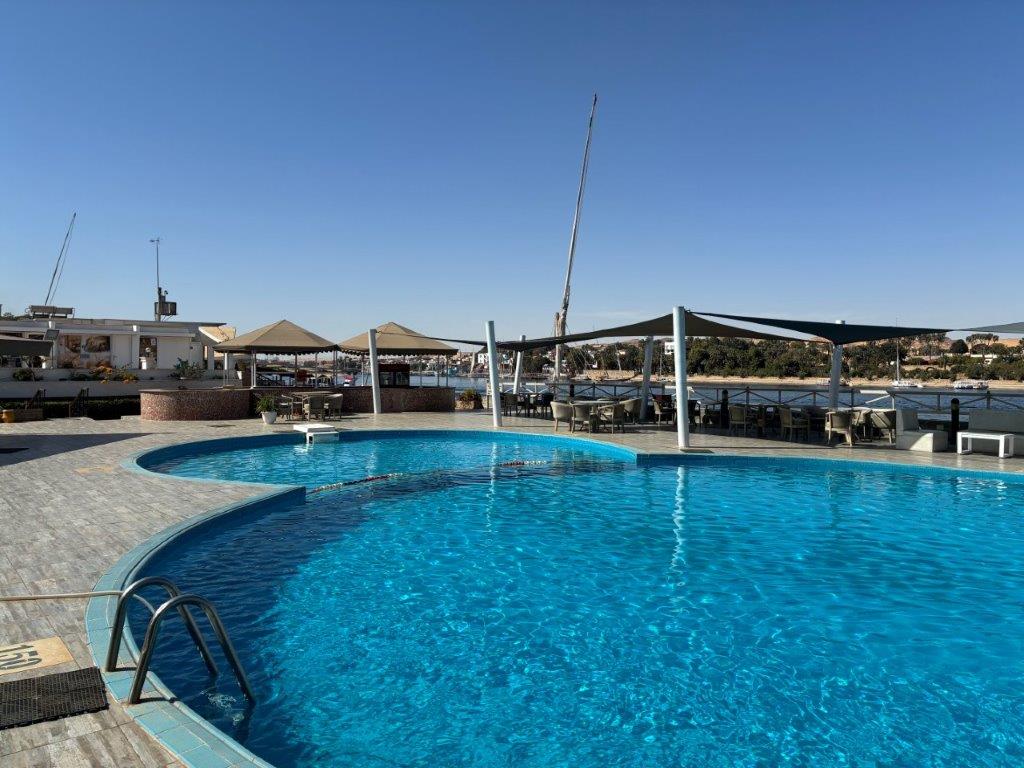
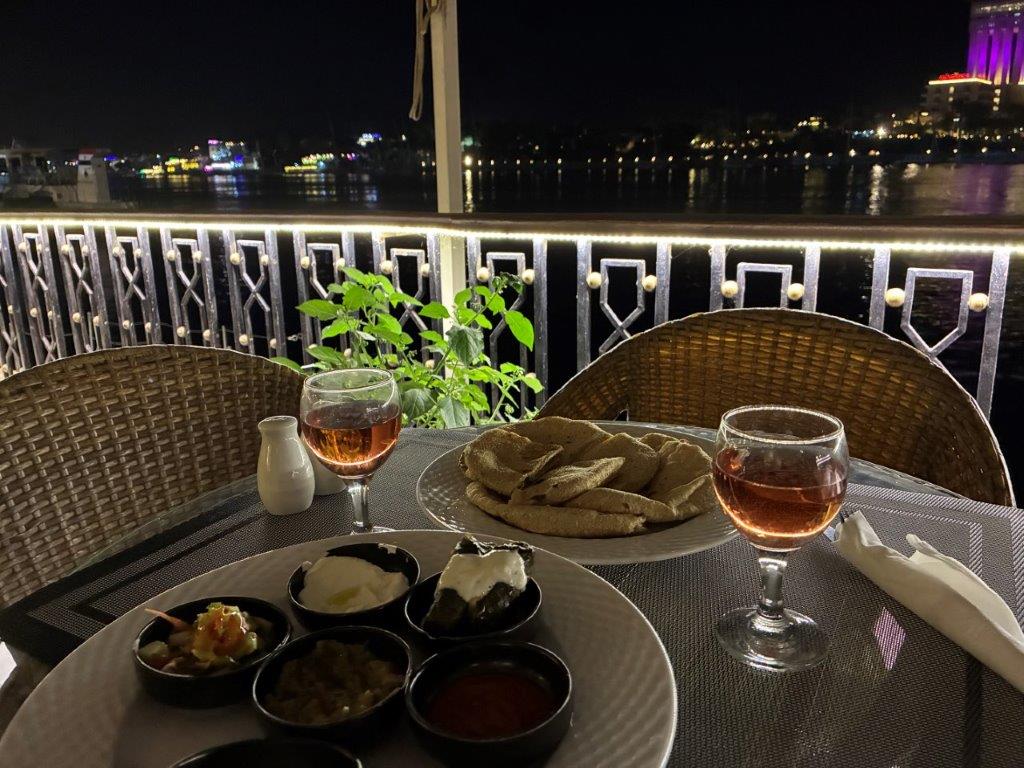
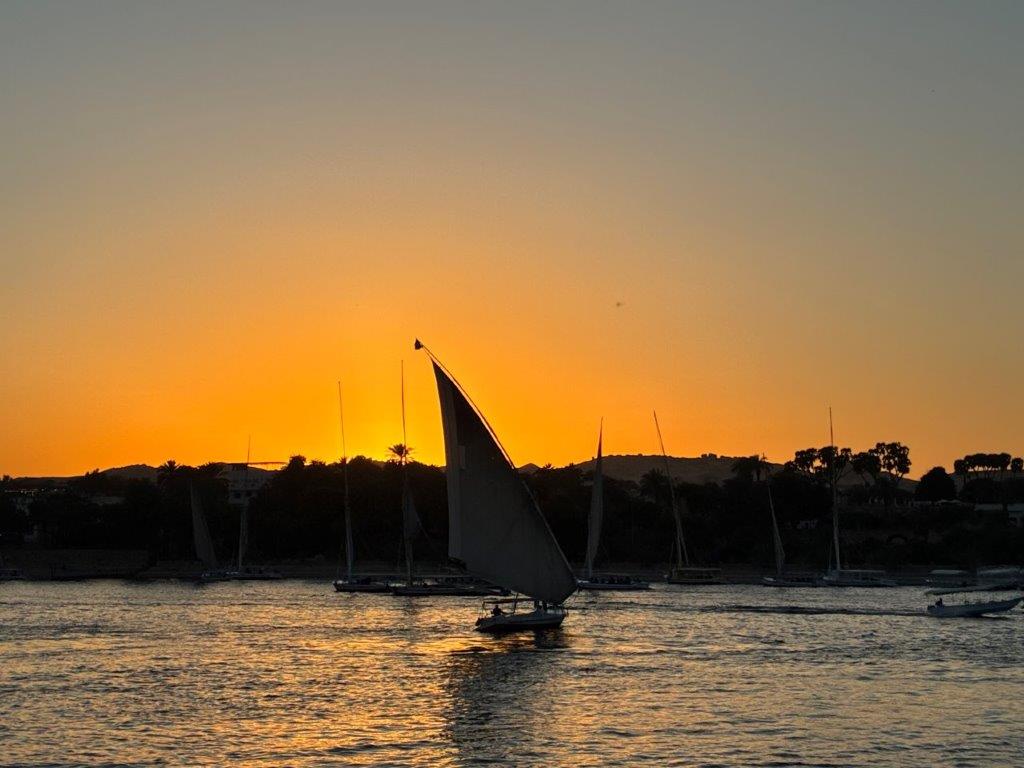 There are other hotel choices with river views, mostly further out of the town centre. Or there’s Elephantine Island, which puts you right in the river and has some lovely guest houses. But you need to factor in that any journey begins with a boat crossing. As we planned an early start for a trip to Abu Simbel, we wanted a quick and easy pickup. Also on Elephantine Island is the Mövenpick Hotel, but we took strong objection to it because they have cut the hotel off from the rest of the island and the villagers who live there. The only access is by boat, and only for hotel residents and staff. Unless you are willing to pay for a voucher to spend in the hotel. We weren’t.
2. Stroll and shop through Aswan’s bazaar, Sharia As Souq
Aswan’s bazaar street, Sharia As Souq, runs parallel to the Corniche. So if you turn left out of the Obelisk Nile Hotel and cross the road, you’ll find it a block or two back.
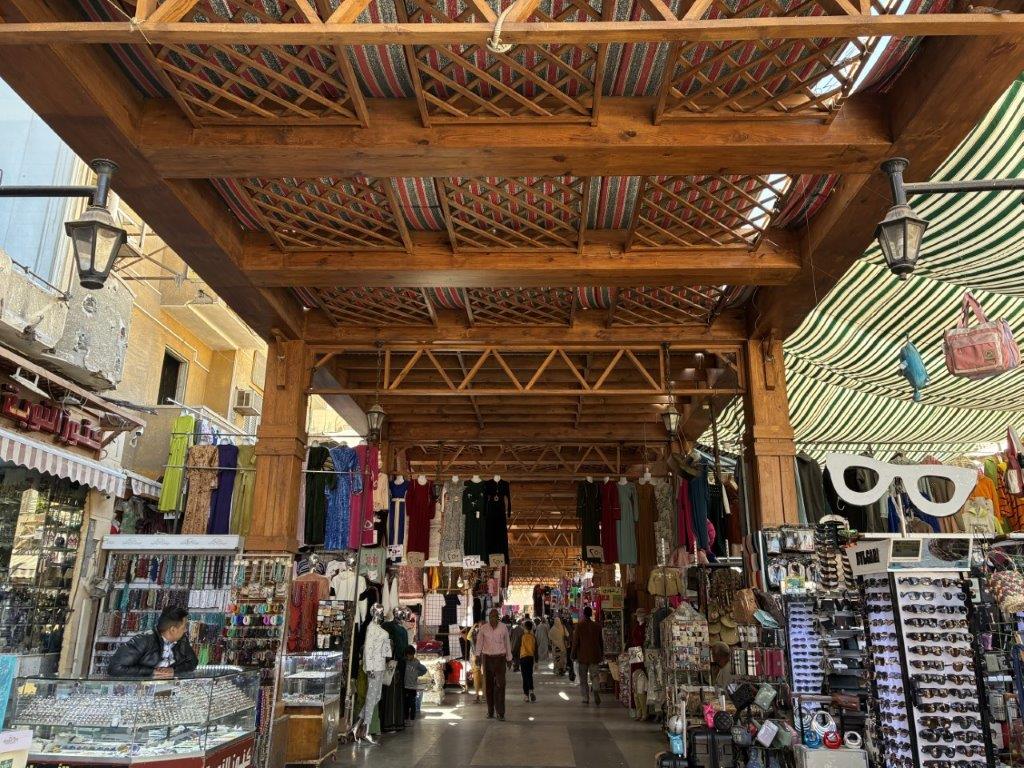 We felt it was one of our better shopping experiences in Egypt, with more local shoppers buying the traders’ wares than tourists. Later in the trip, we got very weary of the constant hard sell at stalls near tourist sites and in Luxor. In Aswan, we had quite a relaxed stroll and were able to stop and admire some of the colourful fruits and many spices. I was fascinated to watch one seller meticulously arranging his strawberries in a pyramid. Likewise, the spices on another stall were beautifully displayed. Also, as pyramids, so I guess there’s an obvious and popular theme.
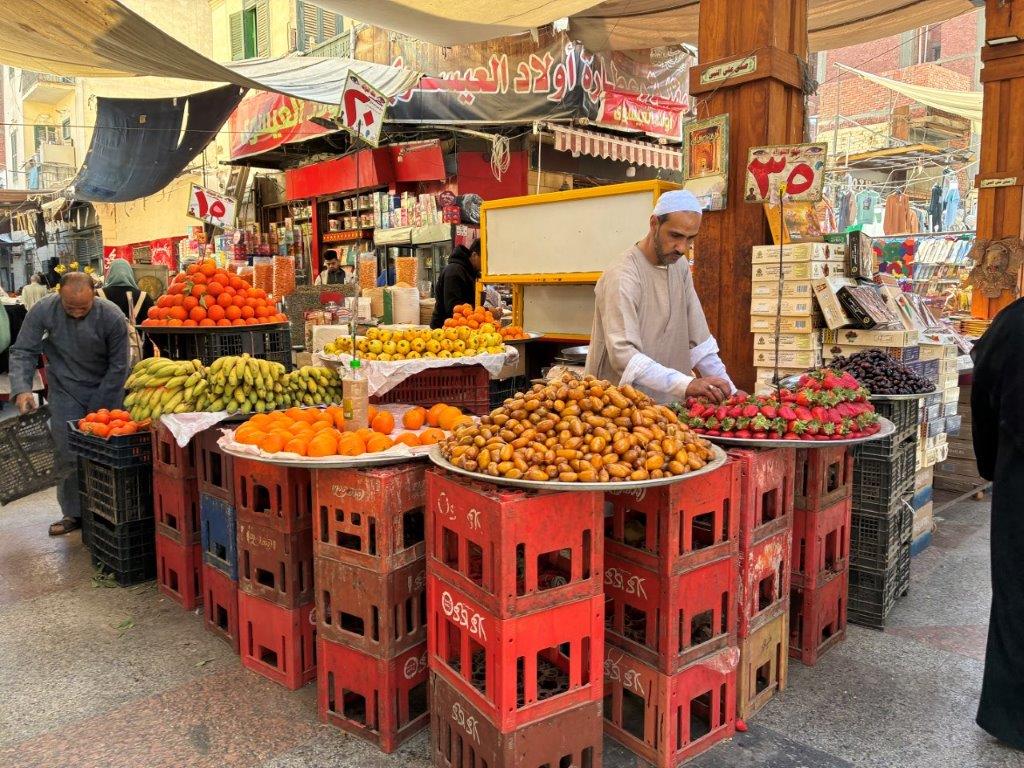
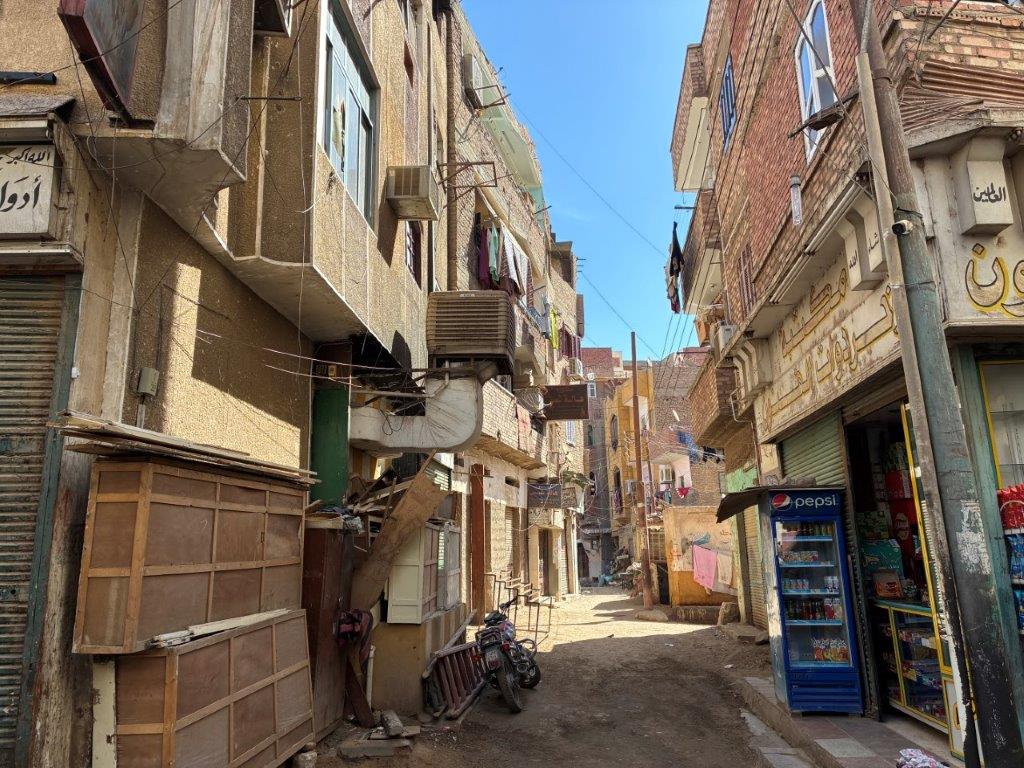
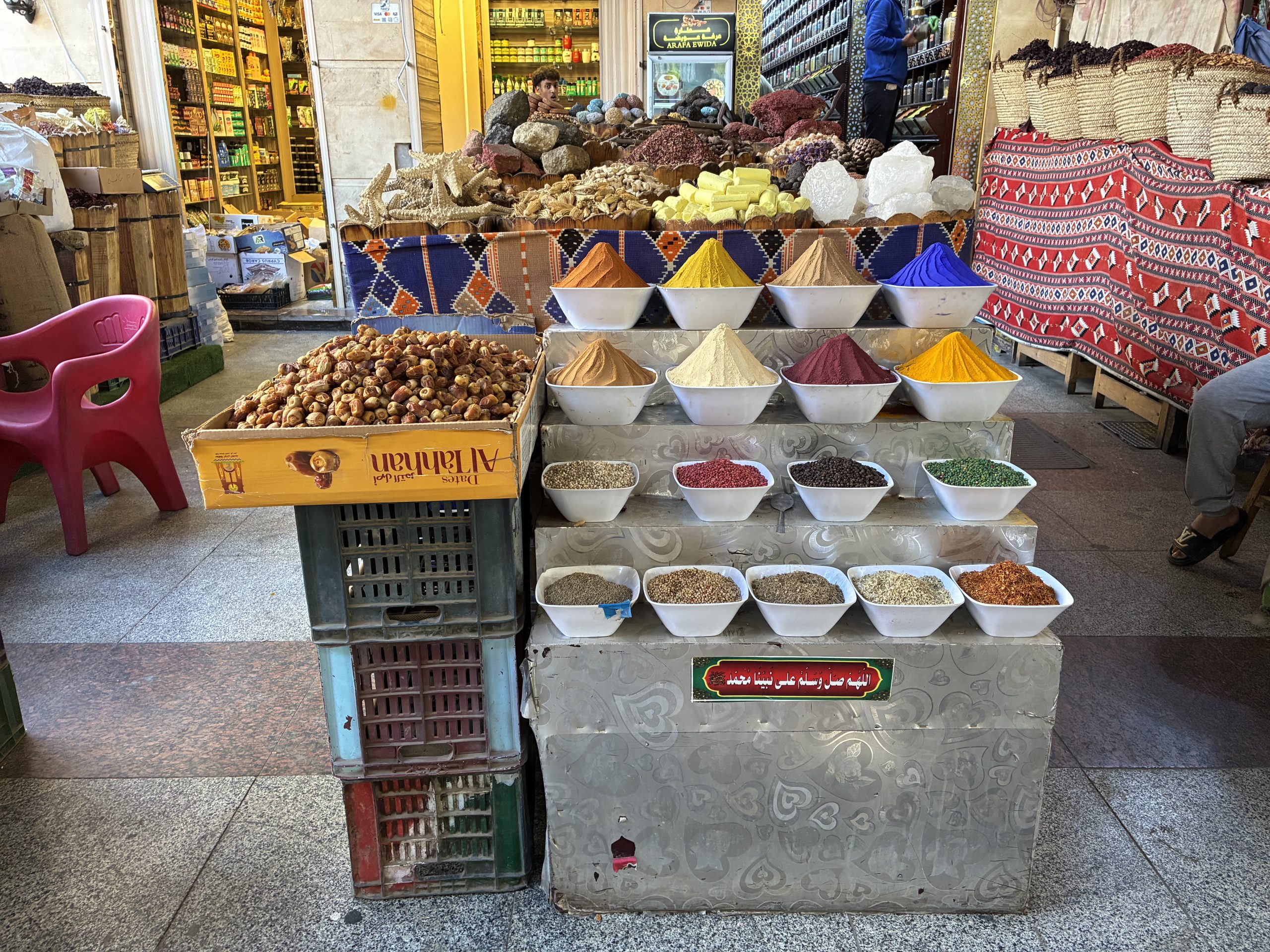 It was also interesting to see some of the back streets running off the main shopping area. They were mainly very run-down and quite different to the areas frequented by most visitors.
 3. Promenade along the Corniche
Meandering along the 3km-long Corniche in Aswan is a popular pastime for both visitors and locals. There is always activity to see on the river, with many boats and ferries. There are also a multitude of cruise ships, as this is where they moor up to deposit their passengers for visits to Aswan and Abu Simbel.
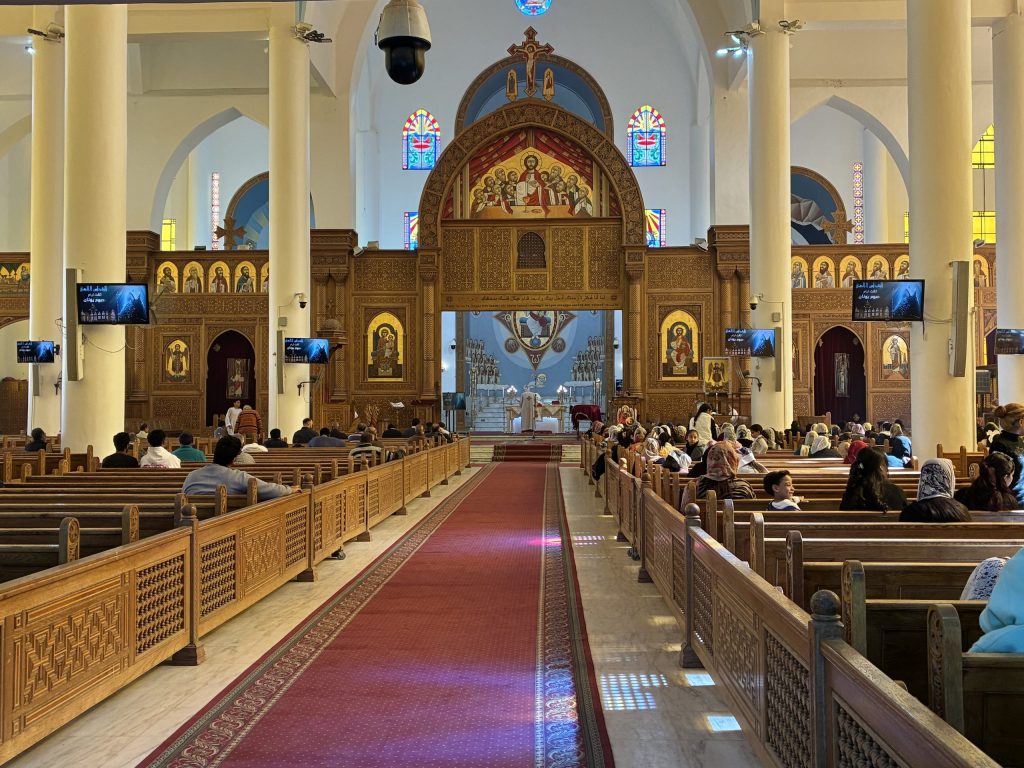
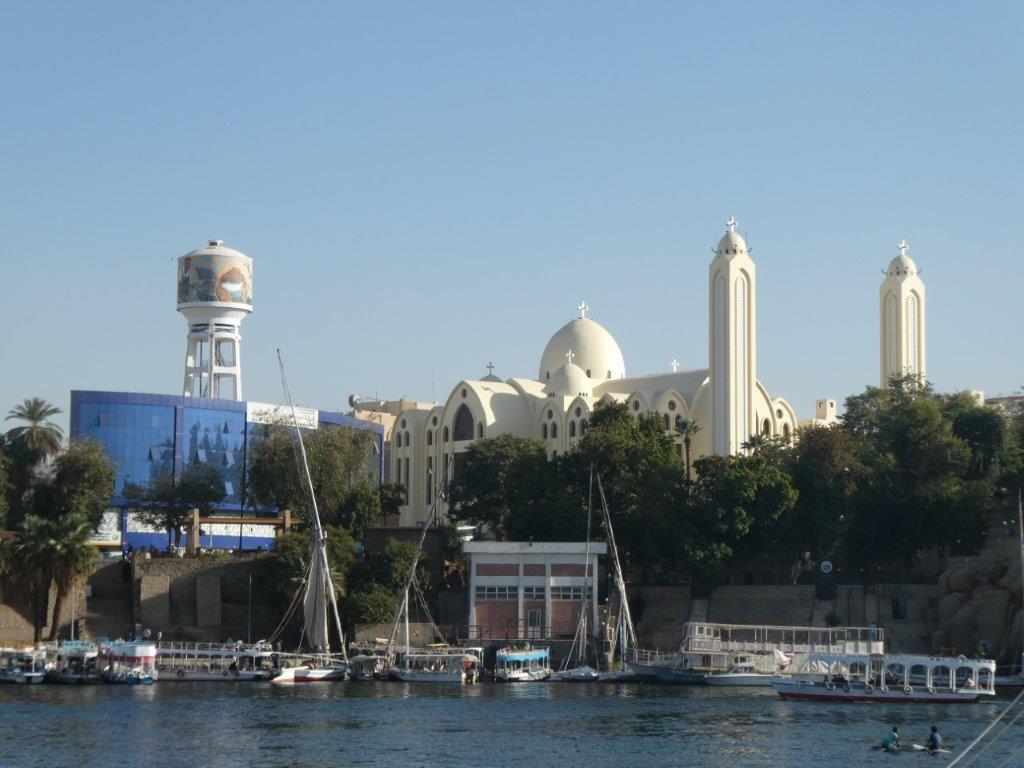
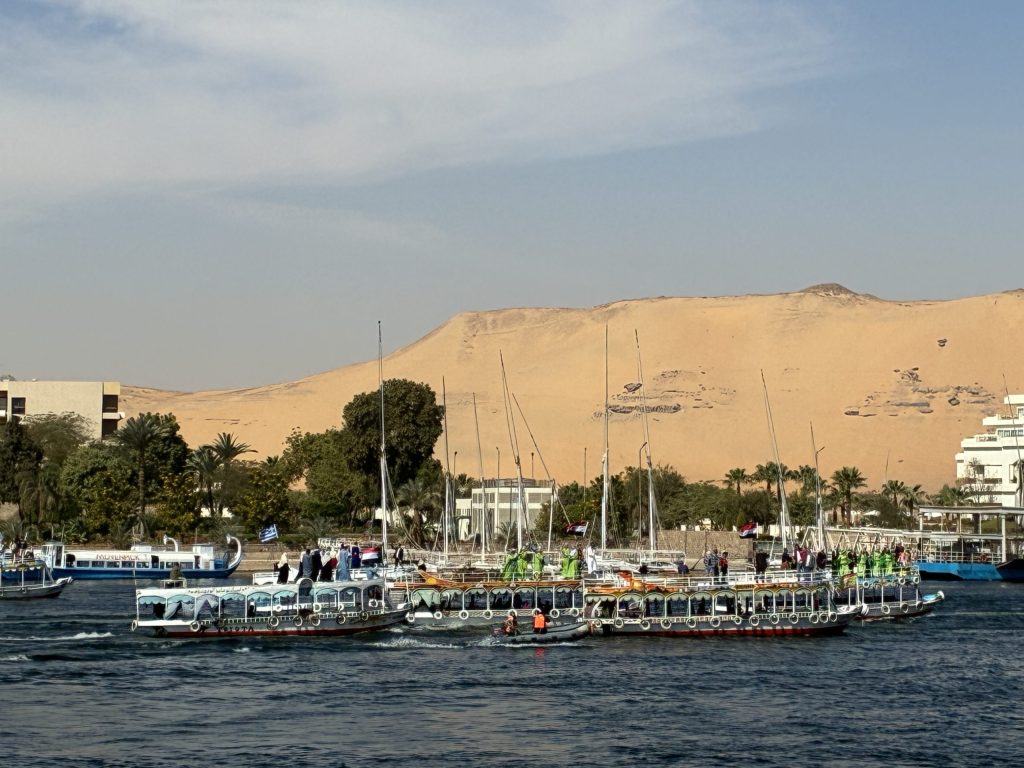 At the southern end of the Corniche is Feryal Gardens, offering picnic spots and great views of the Nile. Opposite is the Coptic Cathedral of the Archangel Michael, one of Egypt’s largest Coptic churches. Egypt is a majority Sunni Muslim country, but there is a small community of Coptic Christians. The church is usually open to visit inside, and there is an excellent view of the whole complex if you take a ferry from the crossing next to Feryal Gardens.
 4. Learn about Nubian history and culture
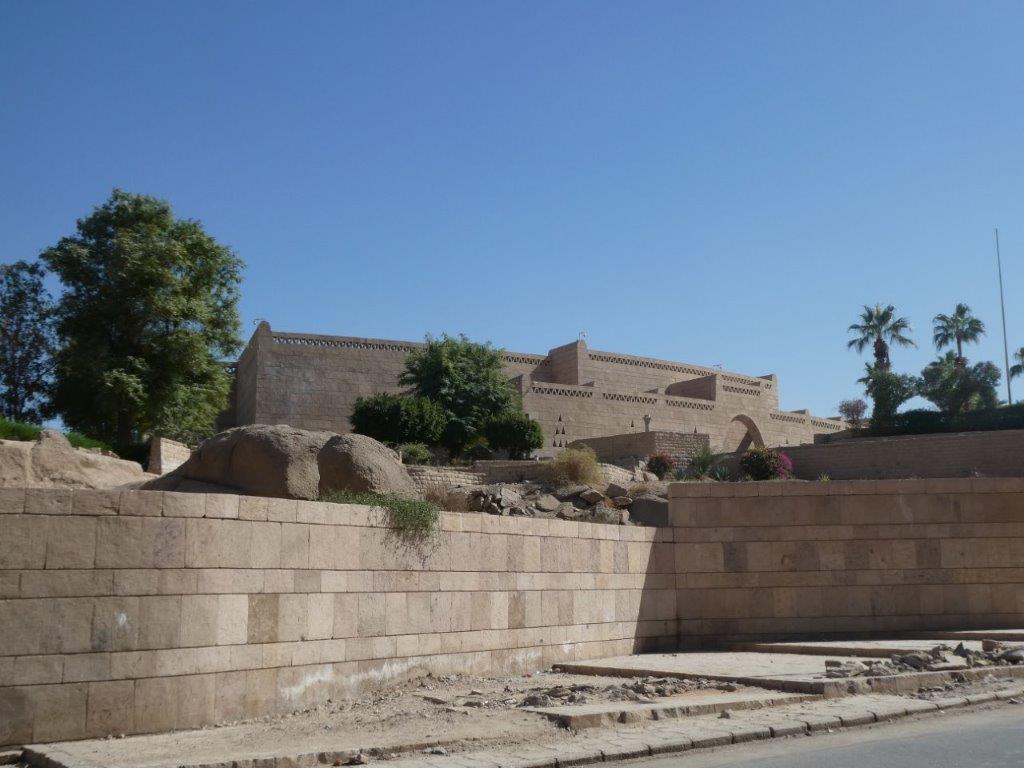
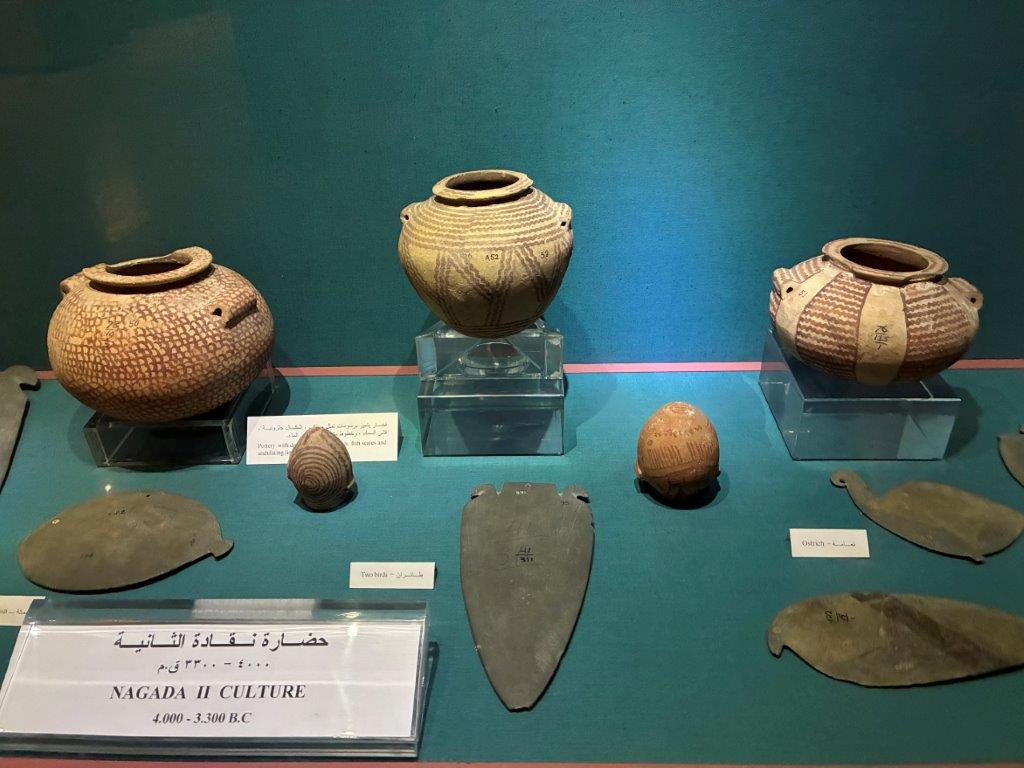
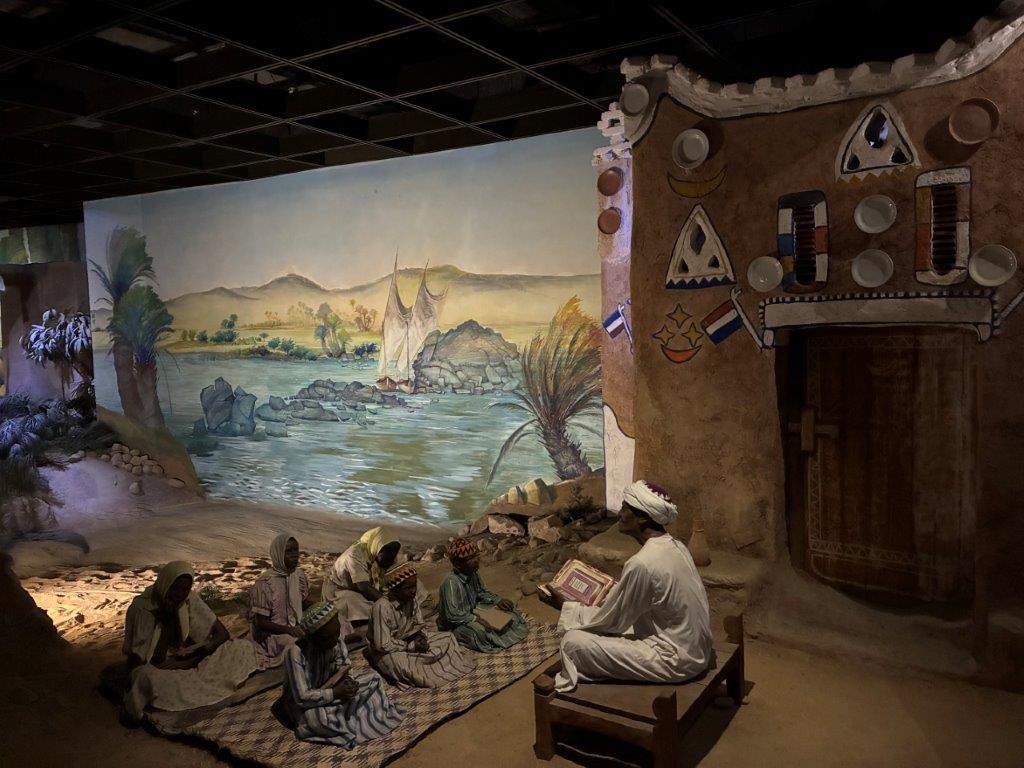
About a 10-minute walk uphill from the cathedral is The Nubian Museum. It was created to preserve Nubian treasures that were rescued as part of a UNESCO project when they were at risk of being lost to floodwaters. The building is made of Aswan pink granite and houses over 3,000 artefacts, which are displayed on a rotating basis. The helpful explanations alongside the displays highlight the ongoing power struggle that took place between Egypt and Nubia, an ancient region which started at Aswan and spread south into central Sudan. The exhibits are over two floors, so there is plenty to see and learn. And at the end, there is a series of dioramas showing scenes from traditional Nubian life. It’s well worth visiting the museum before venturing across to Elephantine Island, where there are two villages still inhabited by Nubian people.
 5. Have lunch at the historic Old Cataract Hotel
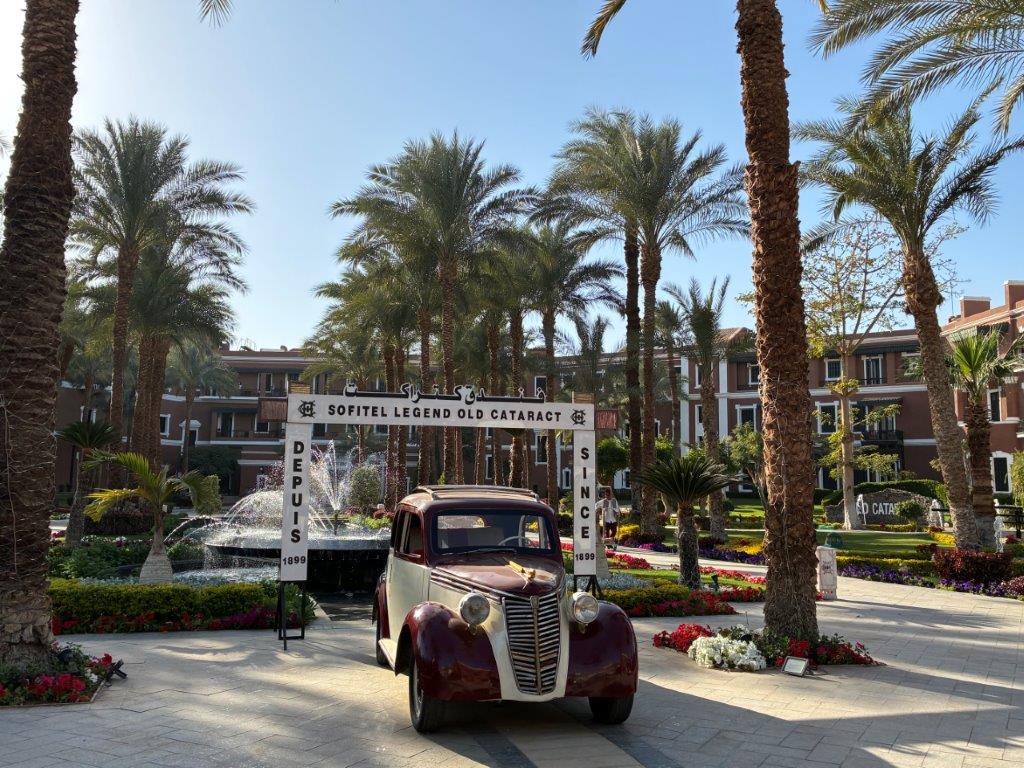
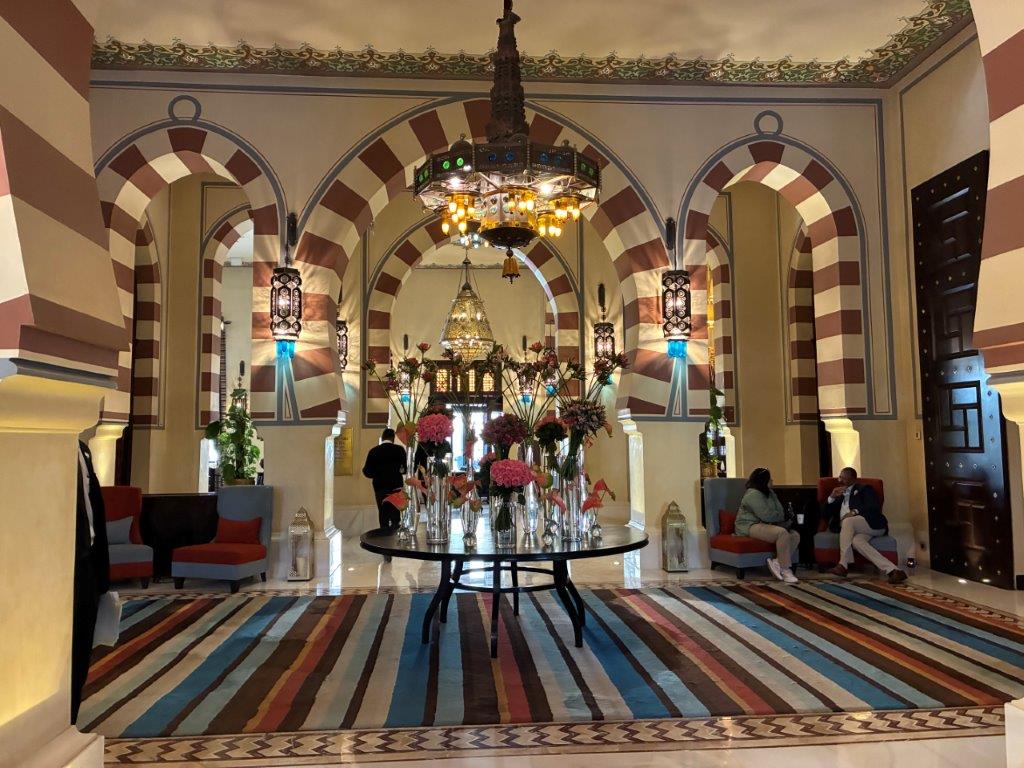
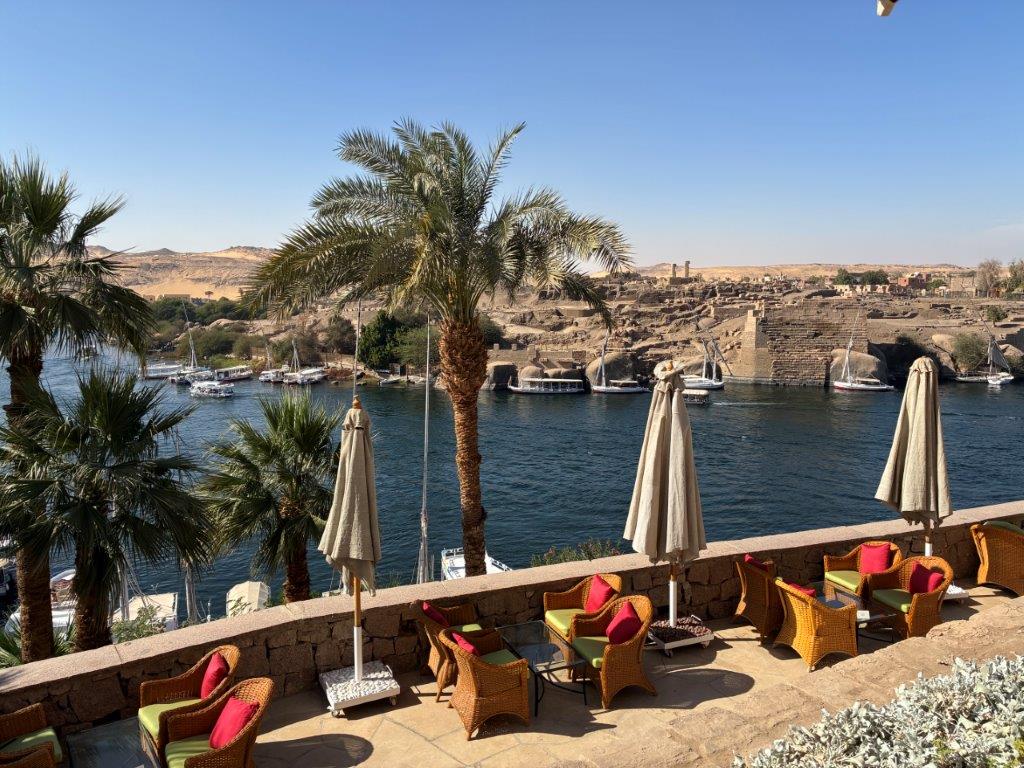
On the way up to the museum, you’ll pass the most famous hotel in Aswan, The Old Cataract. So now is a great time to head back there for lunch. It’s a hotel with history, having been built by Thomas Cook in 1899. And it’s had a long line of famous guests, including Agatha Christie, who stayed for a year while writing Death on the Nile in 1937. It’s teeming with old-fashioned splendour, gorgeous gardens and terraces with fabulous views. As with the Mövenpick, if you’re not staying here, you need to buy a voucher, which you can spend in the bars and restaurants. But given it’s a historic hotel, we were happy to do that for the Old Cataract. In February 2026, a voucher cost EGP£1,500 per person (around £21 in GBP). We chose to eat on the terrace in front of the main bar, which was a perfect spot to enjoy great views of Elephantine Island.
 6. Explore car-free Elephantine Island
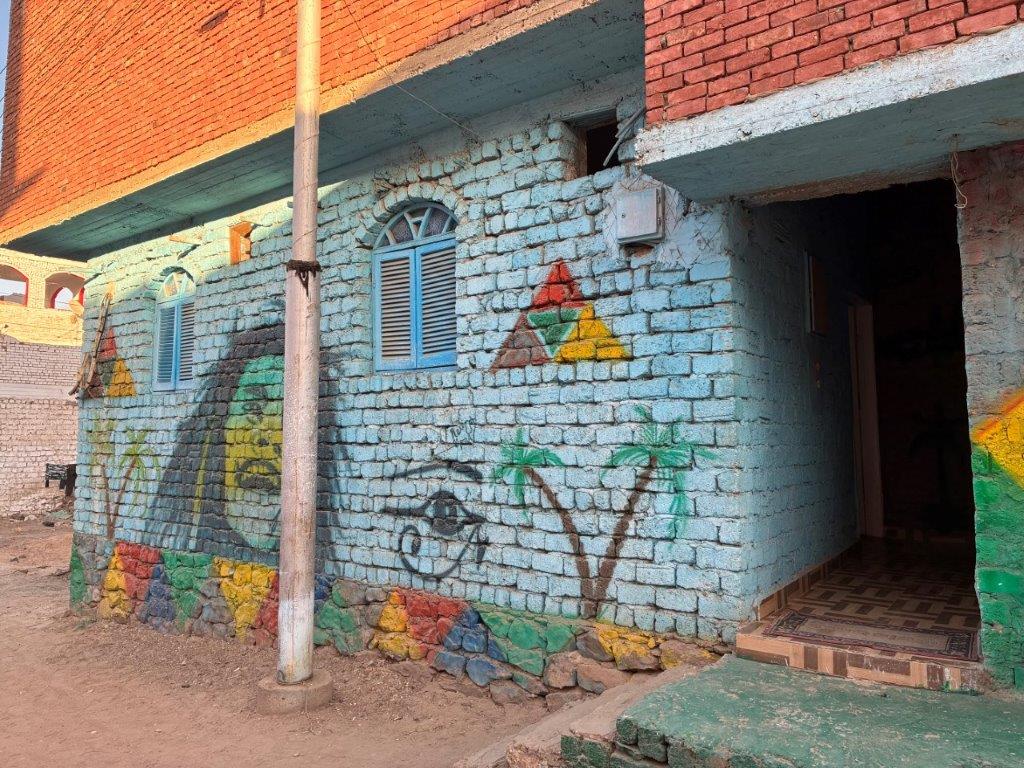
After lunch, we took a ferry across the Nile to Elephantine Island, the oldest inhabited area of Aswan. At the southern end of the island are the ruins of the ancient city of Abu. But for us, the more interesting part was walking through the two villages where Nubian families still live. It’s surprisingly rural considering how close it is to Aswan. And also pretty poor. Many of the buildings are run-down, albeit often very colourful.
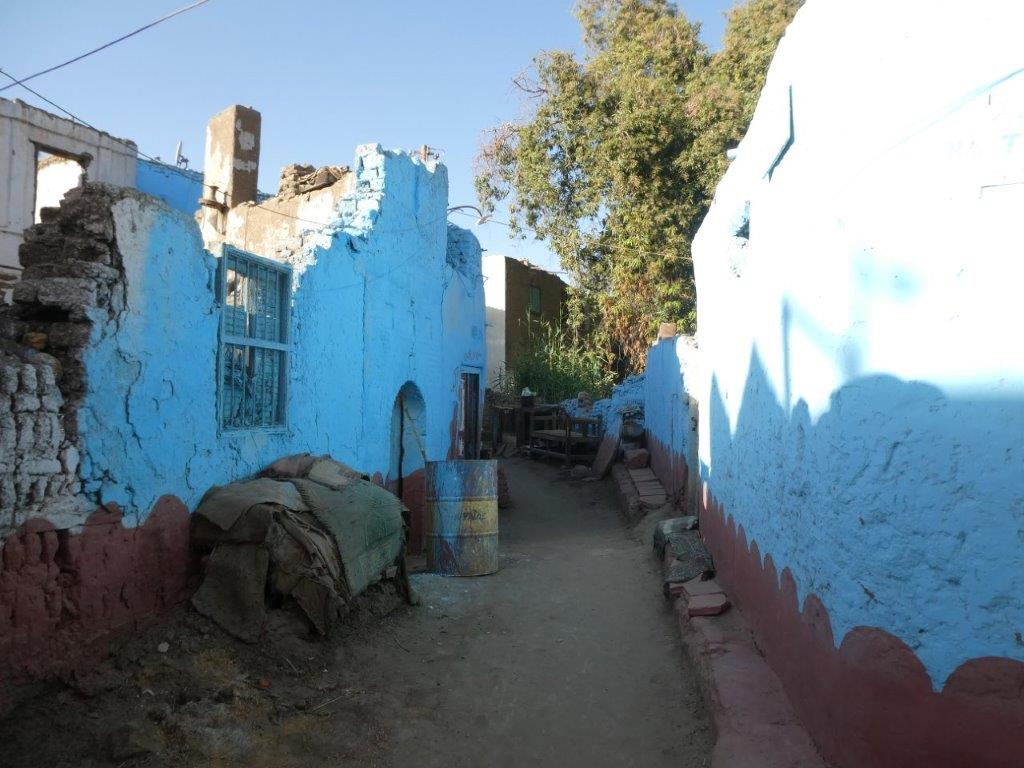
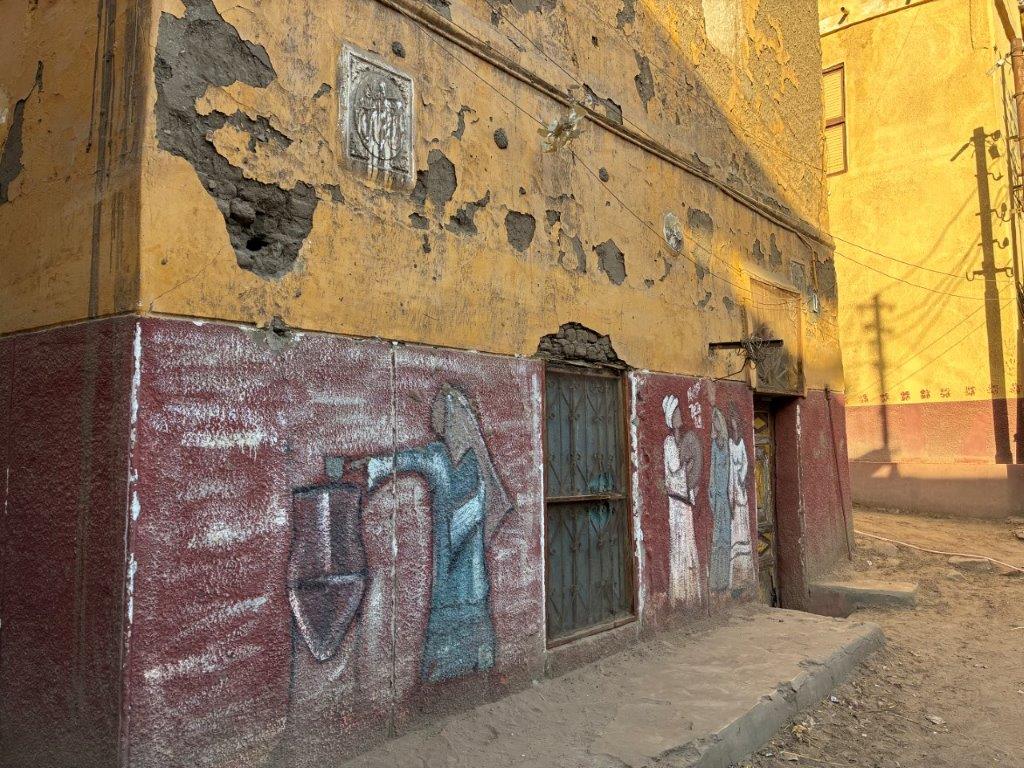
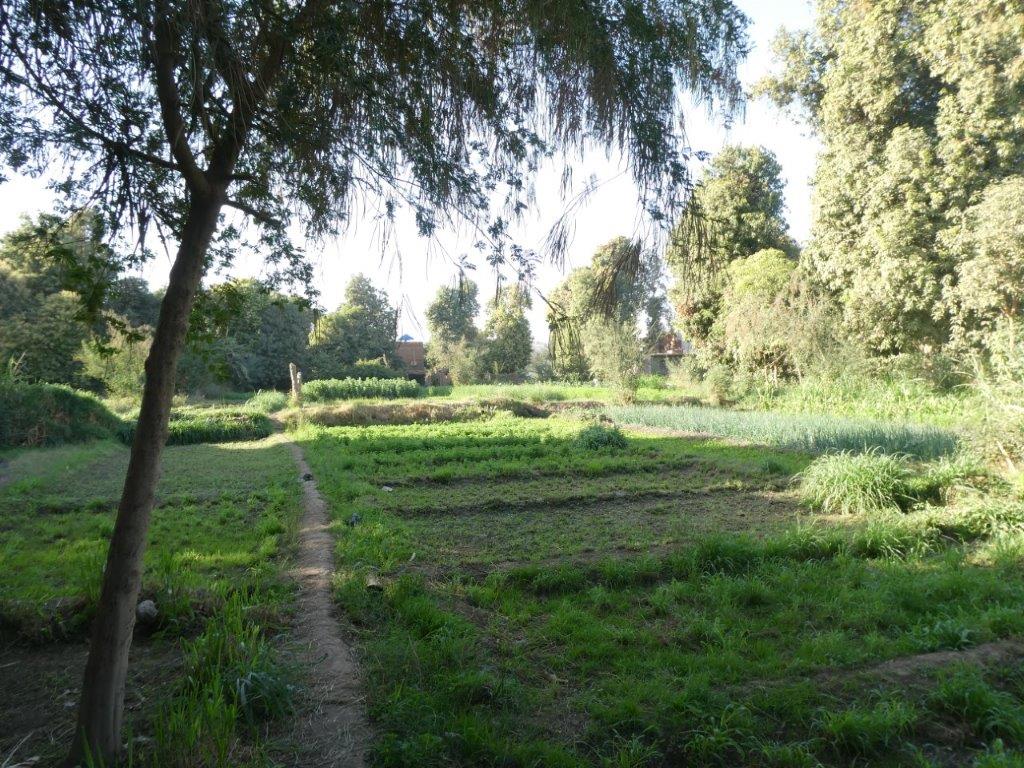
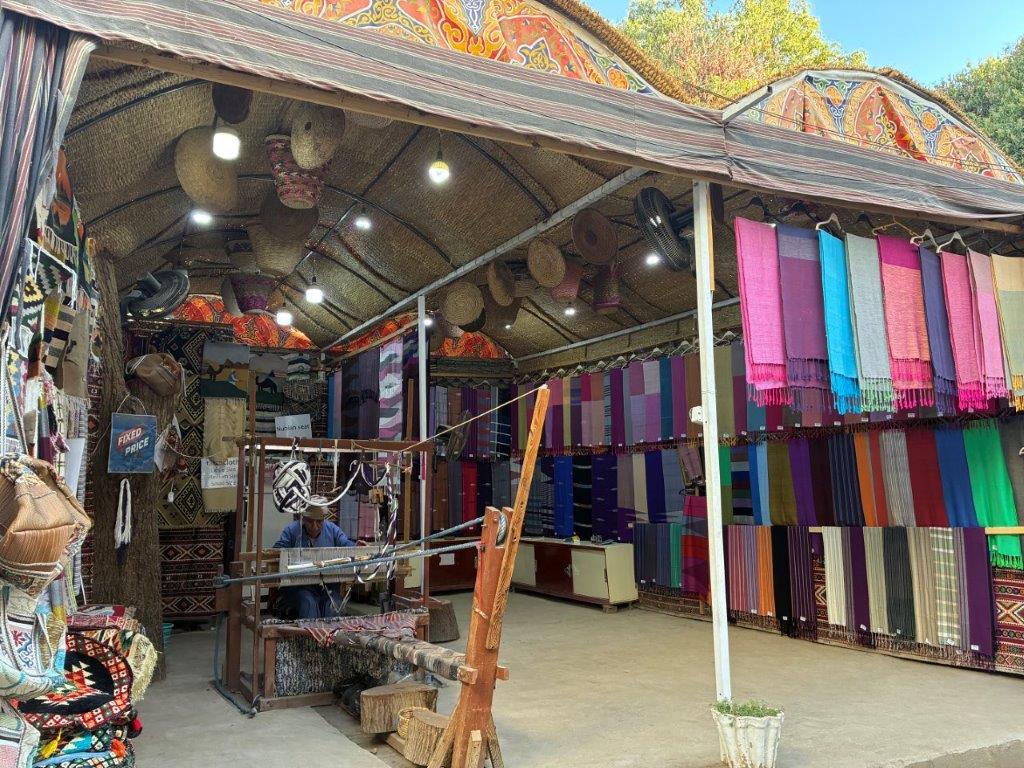
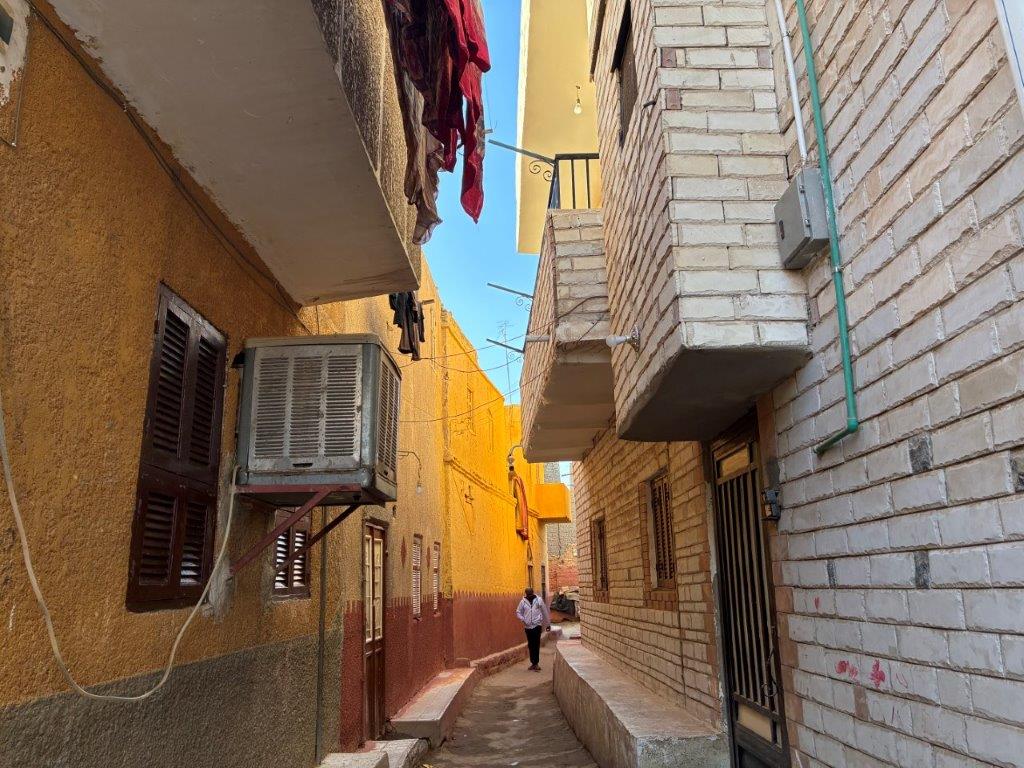 But there is lots of greenery too. We met a guy who was selling the herbs he was growing on his patch of land. And we also spent quite a bit of time in the scarf shop. The weaver was there creating the scarves, which were displayed with clearly marked prices. We found this was a rarity in Egypt. Most traders don’t display prices and want to haggle with you, often starting at ridiculously high prices. We much preferred fixed price and fair trade shops. As I mentioned earlier, there are also some lovely guest houses on the island and restaurants too. One is named after singer Bob Marley, who seemed popular on the island!
 7. Take a day trip to Abu Simbel
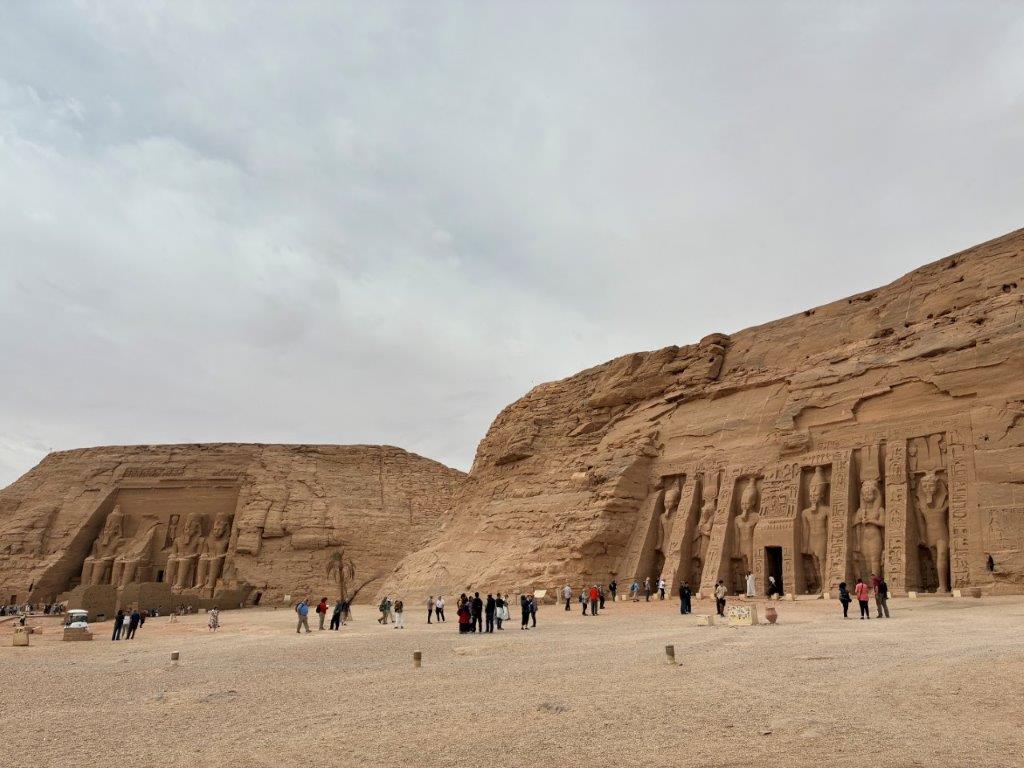
Aswan is where many people stay to take a day trip to the temples of Abu Simbel, one of Egypt’s most iconic sights. It’s a pretty lengthy day trip, but we felt it was worth the effort. You can read more about why I think that in my blog post about Abu Simbel.
 8. Join a Dahabiya Nile cruise to Luxor
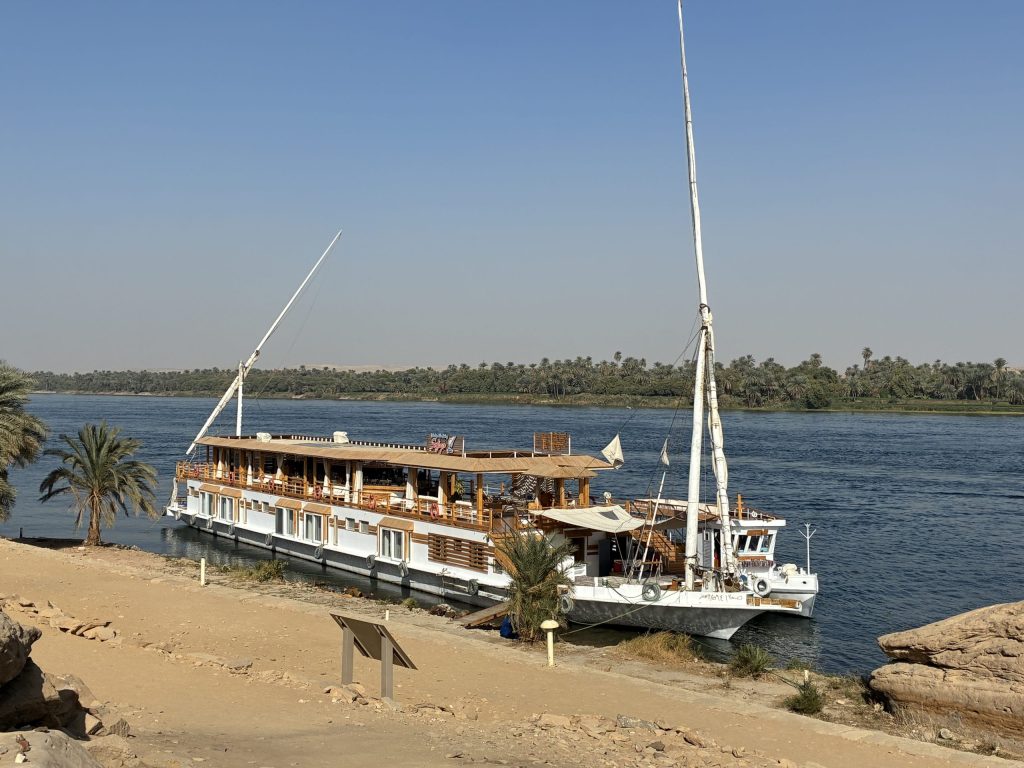
Aswan is also an excellent starting point for a cruise up the Nile to Luxor, as is evidenced by the many cruise ships moored along the Corniche. My friend and I wanted to do this, but the large ships held no appeal. So we did it in a more traditional and atmospheric way. On a dahabiya sailing boat. These boats were popular in the 19th and early 20th centuries, when they were the main way to cruise the Nile. Nowadays, a few companies offer the experience, and it’s honestly one of the best things I’ve ever done. I’ll be writing more about the boat and what we saw during the cruise in my next Egypt blog post.
 There were a couple of things we didn’t have time to do in Aswan – visiting Philae Temple and the Unfinished Obelisk. Like Abu Simbel, the Philae Temple was moved due to flooding and is Egypt’s last classical-style temple. You need to take a taxi for about 20 minutes south of Aswan and then catch a ferry. So you probably need to allow around half a day. And you could visit the Unfinished Obelisk on the way back. We decided against it as it would have created another very long, busy day, and we knew we had a lot of temple visits in our future!
To read about those, visit the Egypt section of my blog.
Discover more from TRAVEL COCKTAIL
Subscribe to get the latest posts sent to your email.