It’s hard to believe that Porto only started to become a popular city break destination around 15 years ago. It has so much to offer, from pretty cobbled streets and a stunning waterfront to famous port houses and close proximity to many vineyards. Its emergence from the shadow of Portugal’s capital city feels like it was long overdue. Here’s just some of the excellent experiences you have in store when you visit Porto.
Eating breakfast at Mercado do Bolhão
Porto’s oldest market underwent a multi-million-pound glow-up that took four years and reopened shiny and new in 2022. Mercado do Bolhão is now a cool spot that combines traditional food stalls with trendy restaurants and bars. It’s a great place to pop by at any time of day, but my friend and I called in for breakfast. There were lots of choices, including many cheese options which we couldn’t resist. There are tables throughout; many that you stand at to eat or drink. There were even a few glasses of wine in evidence while we ate our, admittedly quite late breakfast.


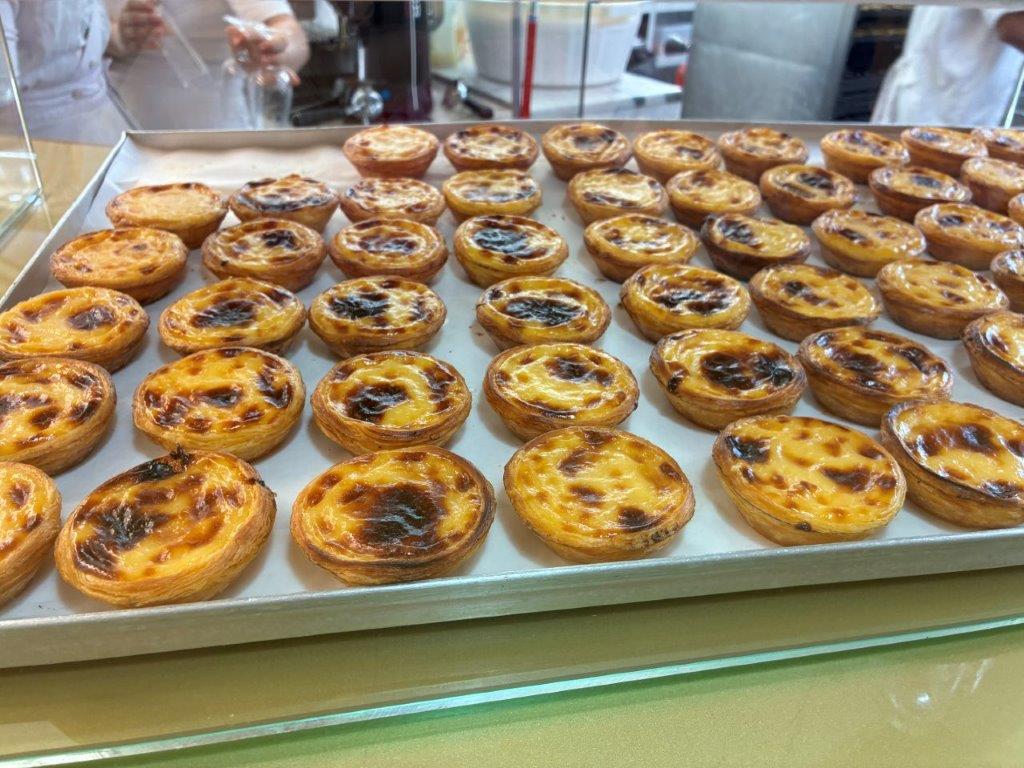
 Watching how delicious Pastel de Nata are made
Just outside the market is a branch of Manteigaria. This chain of pastry shops makes and sells one thing, Pastel de Nata. And they do it very well. We went into a few of them around the city, but this one was our favourite as it has the biggest kitchen. You can sit with your Nata and a coffee and watch the chefs at work. Pastry magic!


 Exploring Bohãlo and Aliados
A little further along Rua Formosa is A Pérola do Bohãlo, an old deli with a gorgeous Art Nouveau facade. Inside, it’s packed with Portuguese produce, including many colourful tins of sardines and other fish.

 Then you’ll come to the junction with Rua Santa Catarina, a pedestrianised shopping street. Turn left to head north and see the stunning 18th-century Capela das Almas decorated with blue and white friezes.
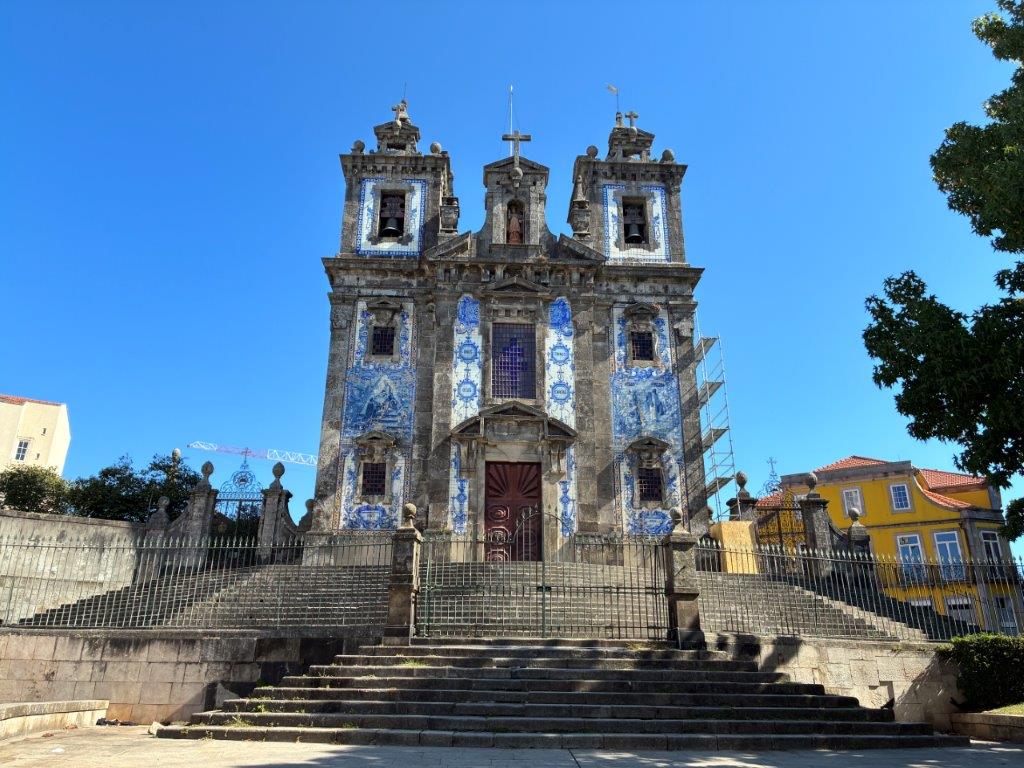
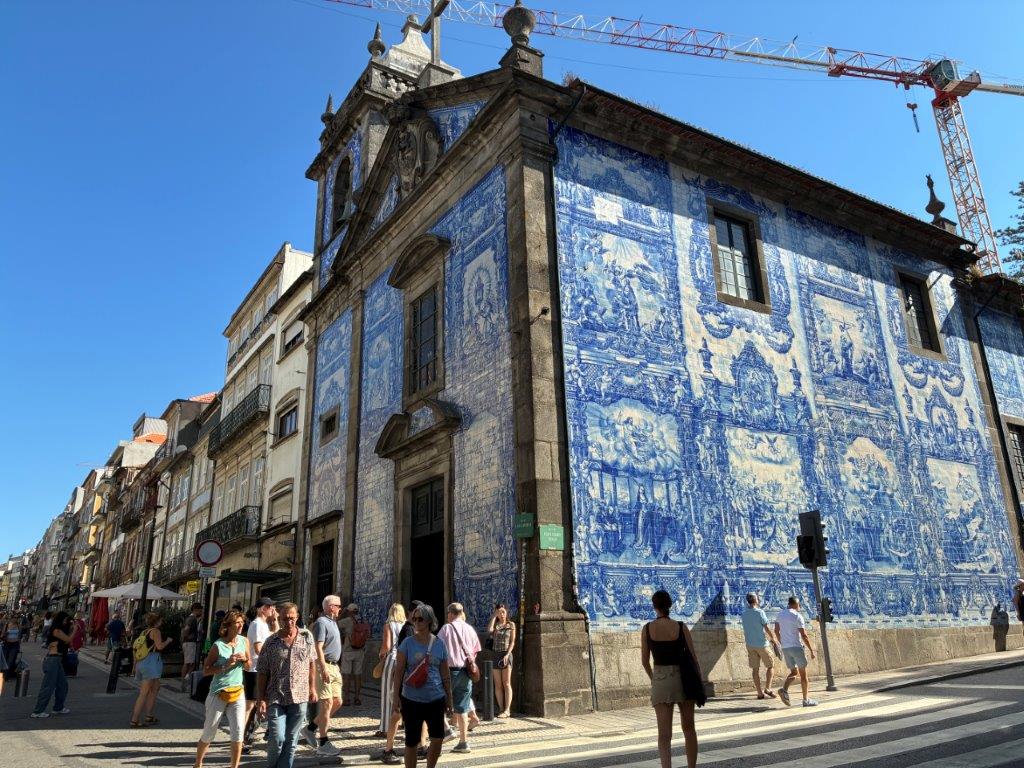 Then head back south along Catarina to pop into the famous gathering spot Majestic Café for a drink, before reaching the grand square, Praça da Batalha. It has many attractions, including the beautiful tiled church, Igreja de Santo Ildefonso, the National Theatre and the Art Deco Cinema Batalha.

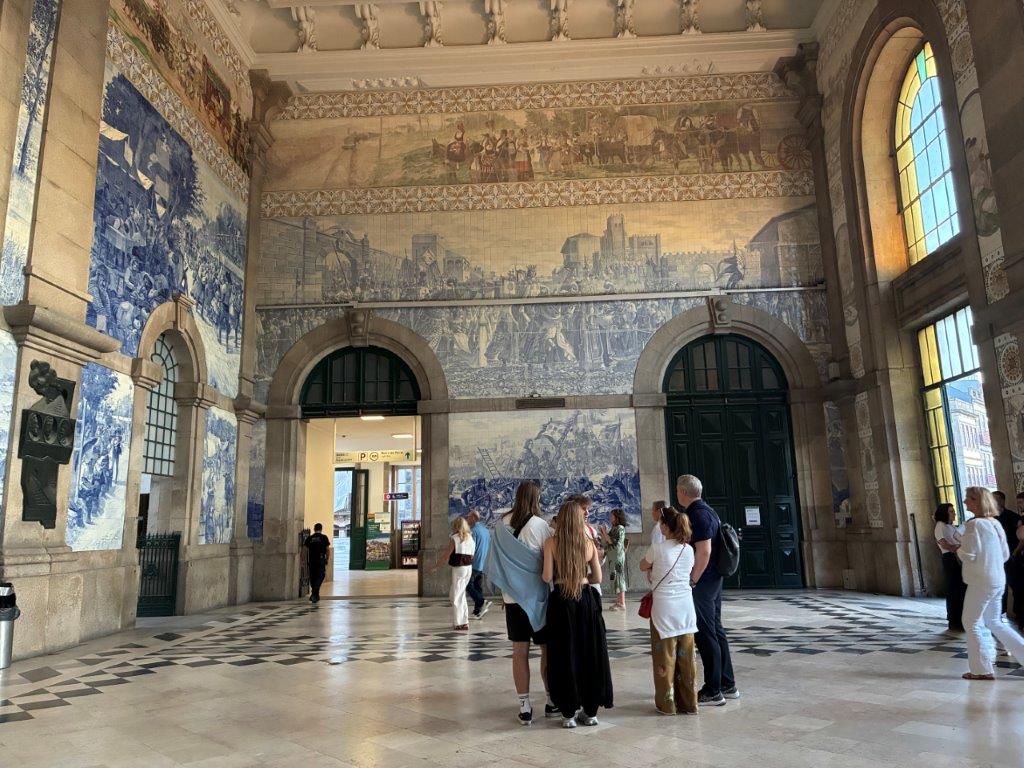
 Seeing the stunning tiled panels at São Bento station
Catching a train isn’t the only reason to visit São Bento station. Constructed in the early 1900s, the station’s entrance hall features a series of huge panels made up of around twenty thousand azulejo tiles. The panels were designed and painted by Jorge Colaço and represent moments in the country’s history.

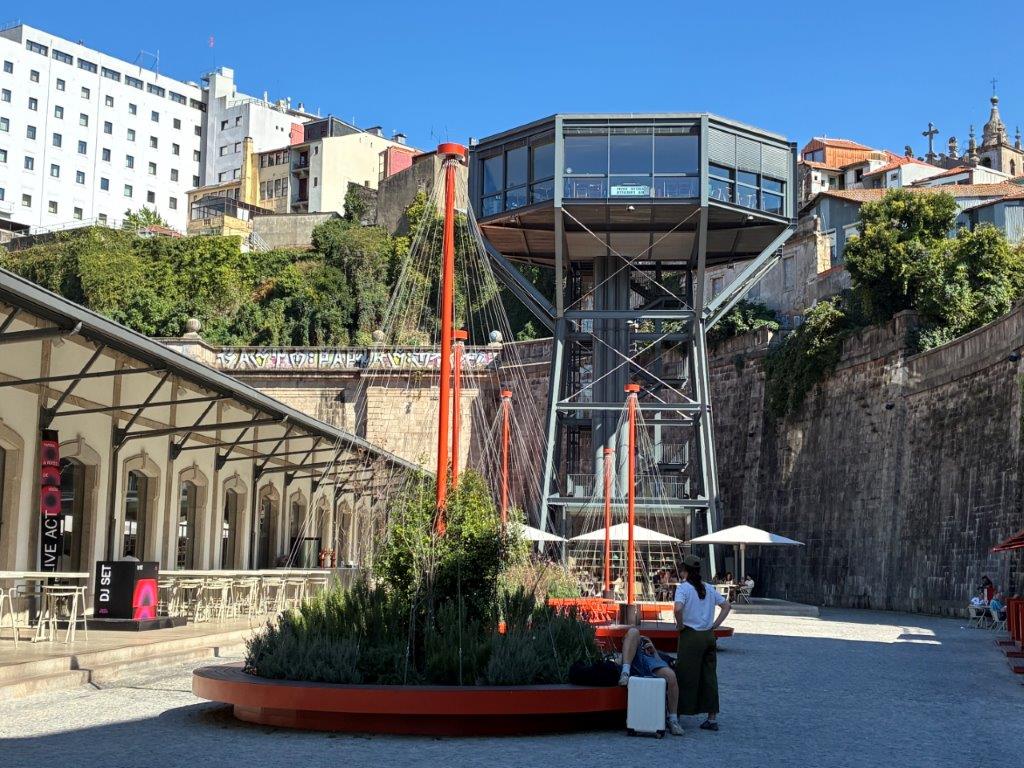
 Behind the station is the Time Out Market. Opened in 2024, it offers a range of food outlets and plenty of indoor and outdoor seating. There’s also a 20-metre-high glass and iron structure in the courtyard that was inspired by the elevated water tanks historically found next to railway stations. We had a great lunch with good views in Sala de Prova, the restaurant at the top. They also do a range of wine tastings and pairings.
 Climbing the iconic Clérigos Tower
Full disclosure, I didn’t actually climb the tower! The long queue to get in and the prospect of 225 steps to the top put us off. Particularly as we knew there were good views from the cathedral. But if you’re up for it, I’m sure you’re rewarded with amazing views. But we did go into the church that the tower is joined to. It was designed by an Italian architect, Nicolau Nasoni, his first masterpiece that helped him later be adopted by the city and called ‘The architect of Porto’.

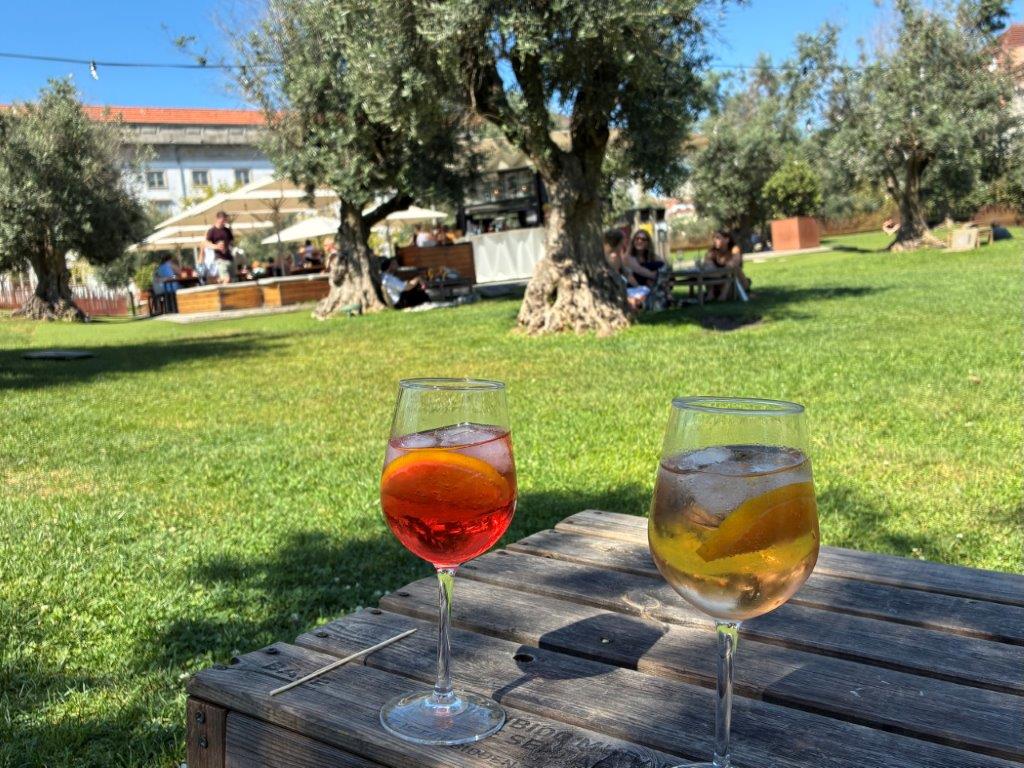
 If you’re in need of a sightseeing spritz break afterwards, I can highly recommend Base, which is opposite the tower. It’s an open-air bar on top of the Passeio dos Clérigos shopping centre and an excellent place for a relaxed drink. Also close by is the famous Livraria Lello bookshop. Apparently it’s a must for Harry Potter mega fans, but we thought the entrance fee was too steep!
 Marvelling at the cathedral’s cloister and courtyards
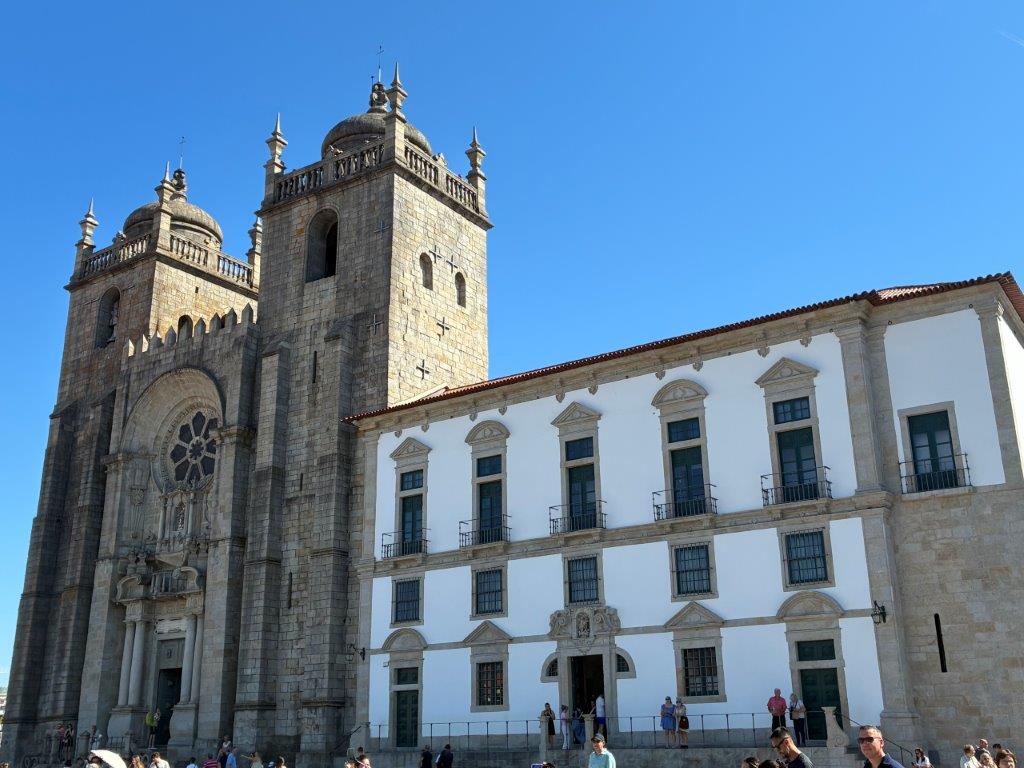
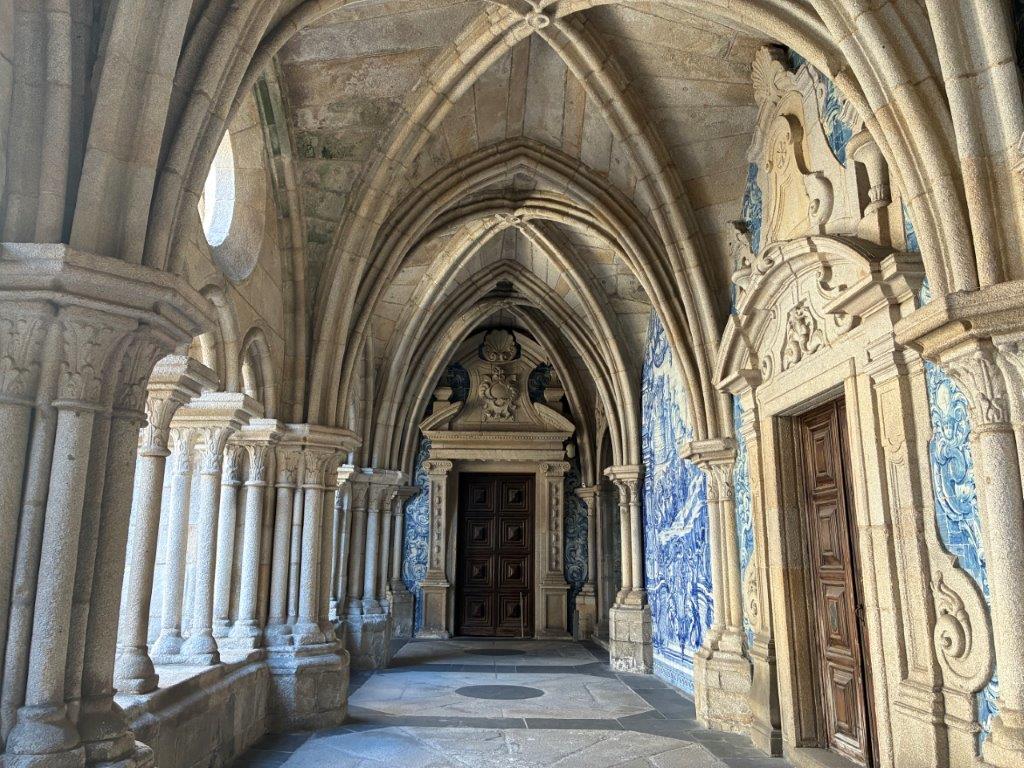
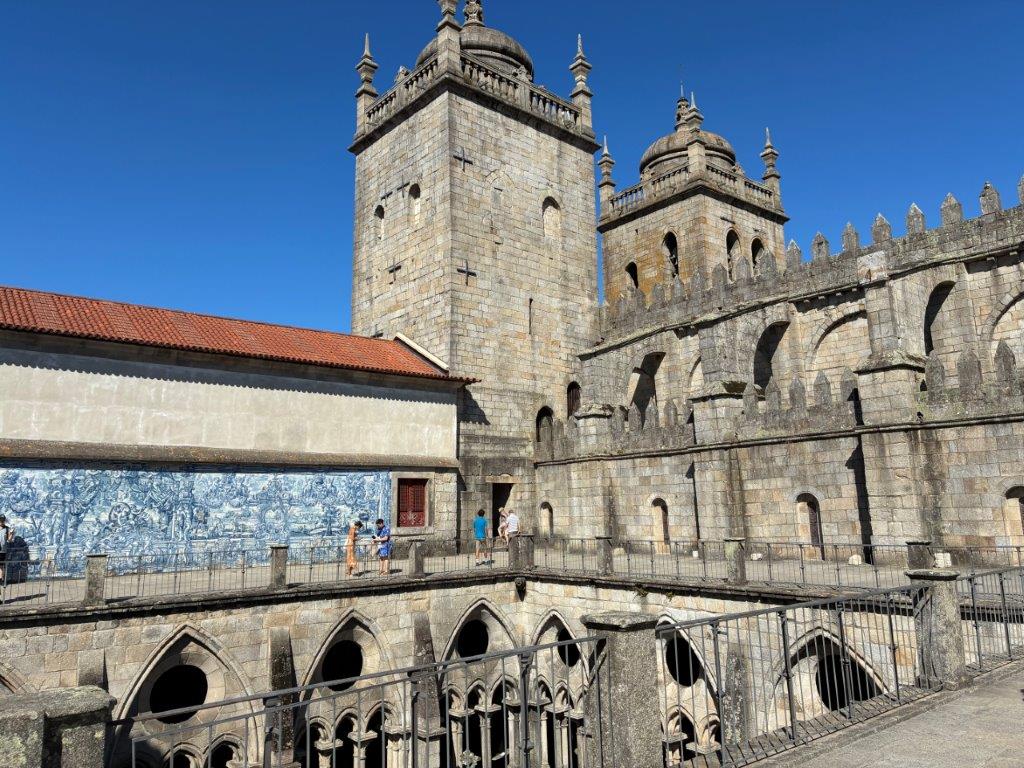
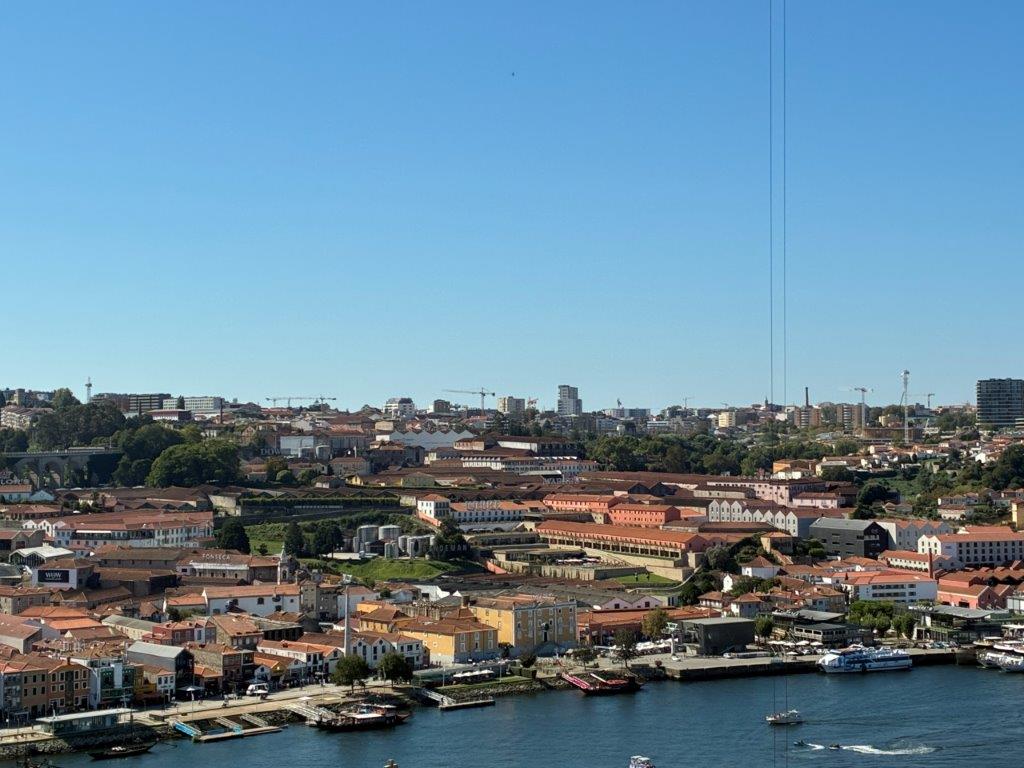
Porto’s huge cathedral, the Sé do Porto, sits above the city on a hilltop, making it a highly visible landmark. That also means the terrace in front of the cathedral provides great views of the historic centre and the River Douro. Inside, its features include a beautiful cloister with blue and white azulejos, aka painted tiles. There are also a number of courtyards, and you can climb up to a higher level for more views.
 Other landmark buildings to look out for in Porto include the former stock exchange Palacio da Bolsa and Igreja de São Francisco, which is filled with Baroque features. Both cost €16 to visit, which we thought was quite punchy considering the Porto Card was currently not in use. I’ve been to quite a few European cities this year, and their city discount cards offer an affordable way to see multiple sights.
Wandering the old town and riverfront
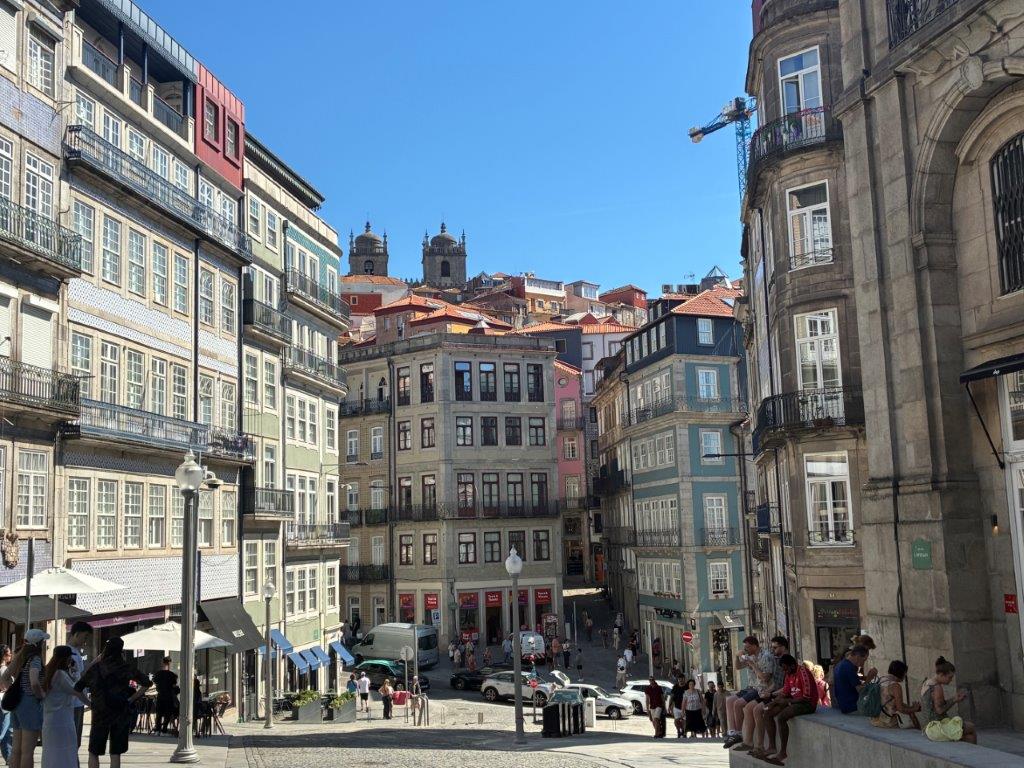
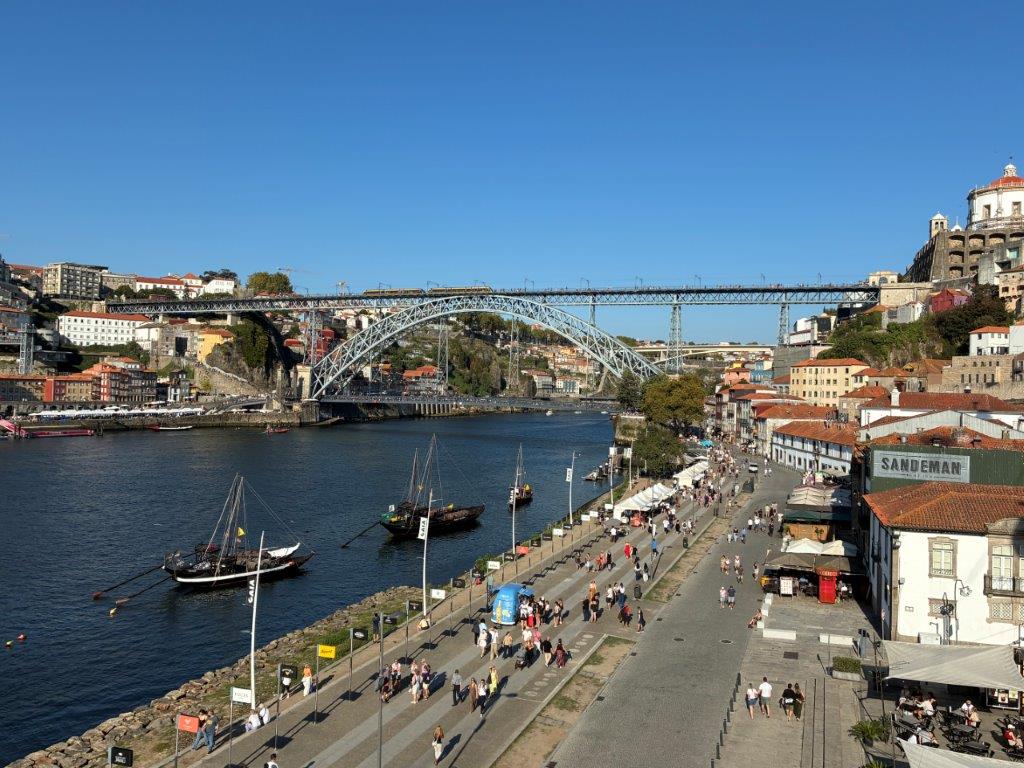
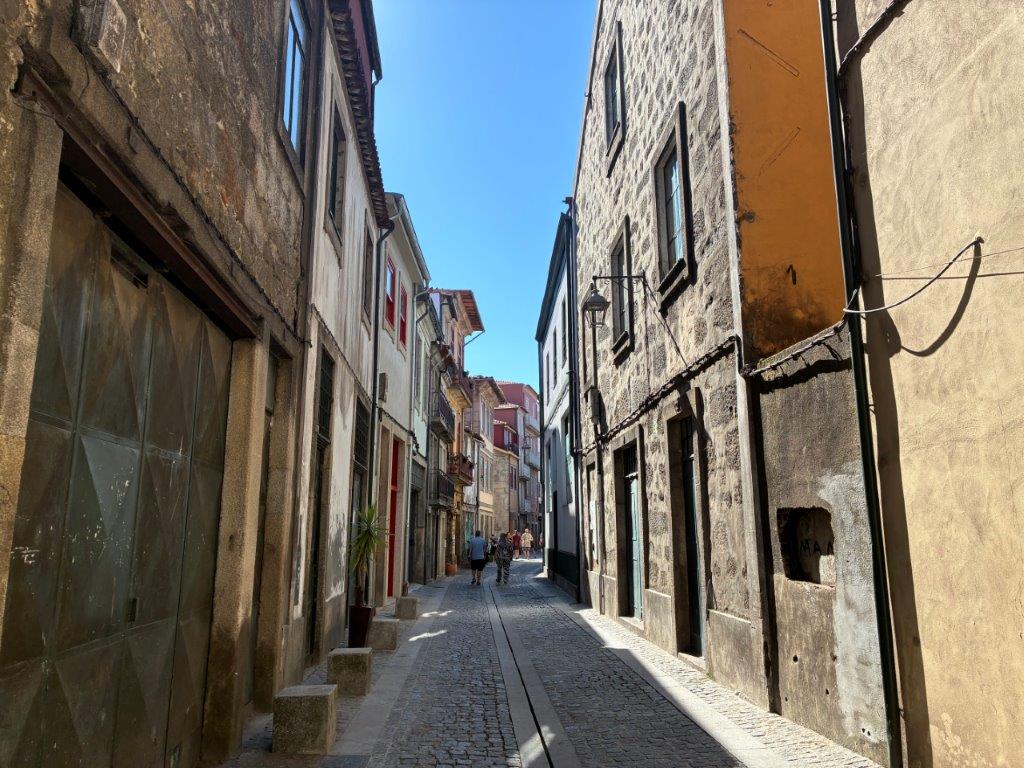
One of Porto’s most popular areas is the riverfront of the Douro that sits at the bottom of the historic centre. The latter is a maze of cobbled streets that go up and downhill, sometimes quite confusingly! But when you get to the river, there’s Cais de Ribeira, a promenade lined with places to eat and drink and fabulous views of historic port houses. Everyone goes down to watch the sunset over the river at some point during their stay in Porto. We did and then ate at Poente by Vallado, a restaurant with outside tables that’s perfect for enjoying the views.

 Crossing the river to get a taste for port
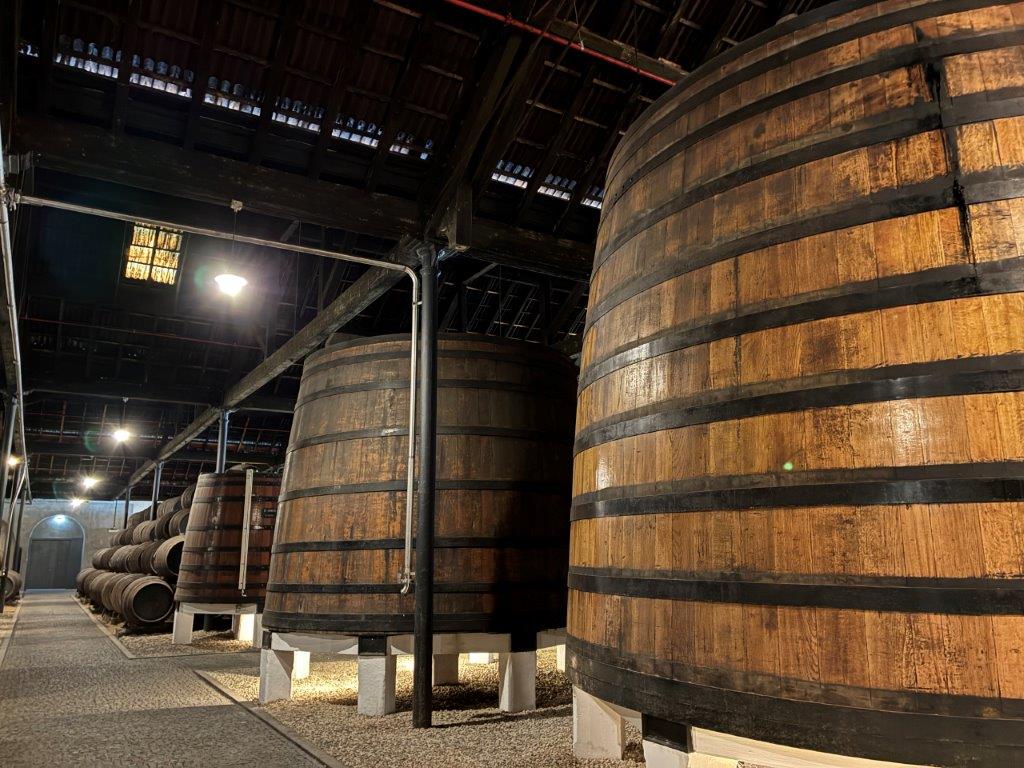
The thing that Porto is most famous for is, of course, port. When you cross the Ponte de Dom Luis I bridge, you are in Vila Nova de Gaia, home of port-wine production. Back in the 17th century, British merchants turned wine into an after-dinner drink by adding a spot of brandy to it. Grand port lodges were developed, and many are still there waiting to welcome you for a tour and a port tasting. Lots of people head to the ones on the riverfront because they are the closest. We were initially in Porto on a wine tour and on the tour’s final morning we were taken to two of the less obvious port houses. Graham’s Port Lodge sits high on a hill and has incredible cellars with vast barrels and some very old bottles of port. The tasting there was excellent, and it also has a very nice restaurant with a terrace. Then we ate at a lovely small port house, Quevedo where, of course, we tasted more port.
 And I have to say my friend and I got quite a taste for port! So much so that we tried out some port-based cocktails at rooftop bar Espaço Porto Cruz. It’s a great place for a drink with fab views of the riverfront. We also had lunch with a ground-level view at Restavrante Dovrvm. We spotted that they serve sardines the traditional way, in the tin, so we had to have some.
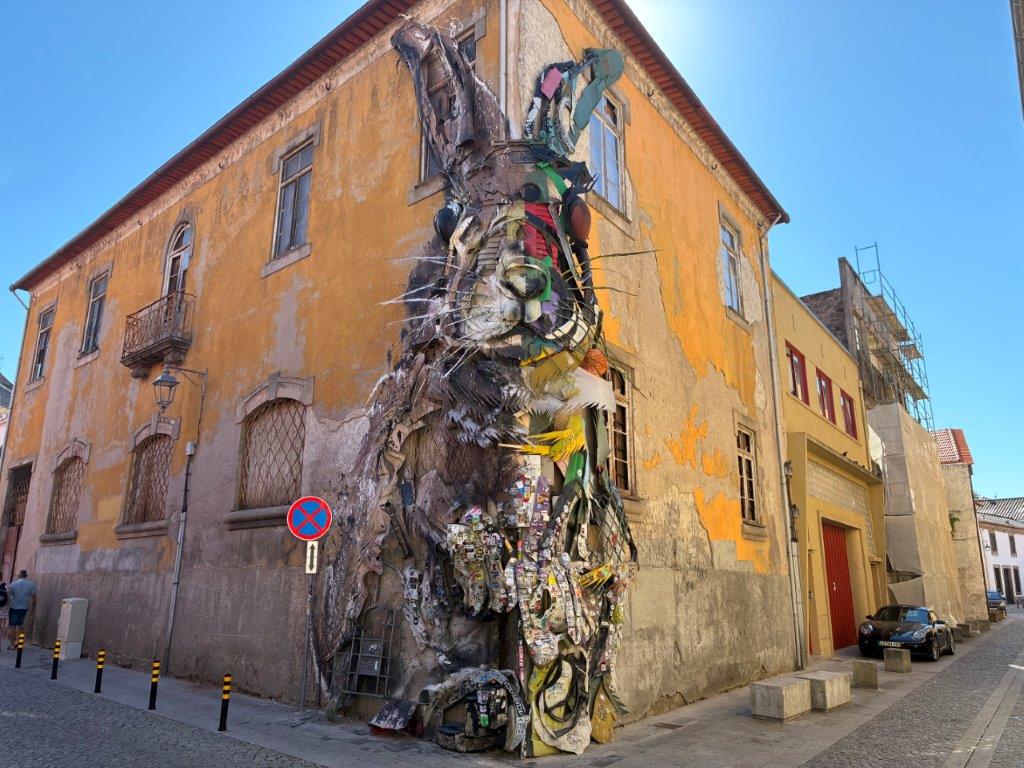
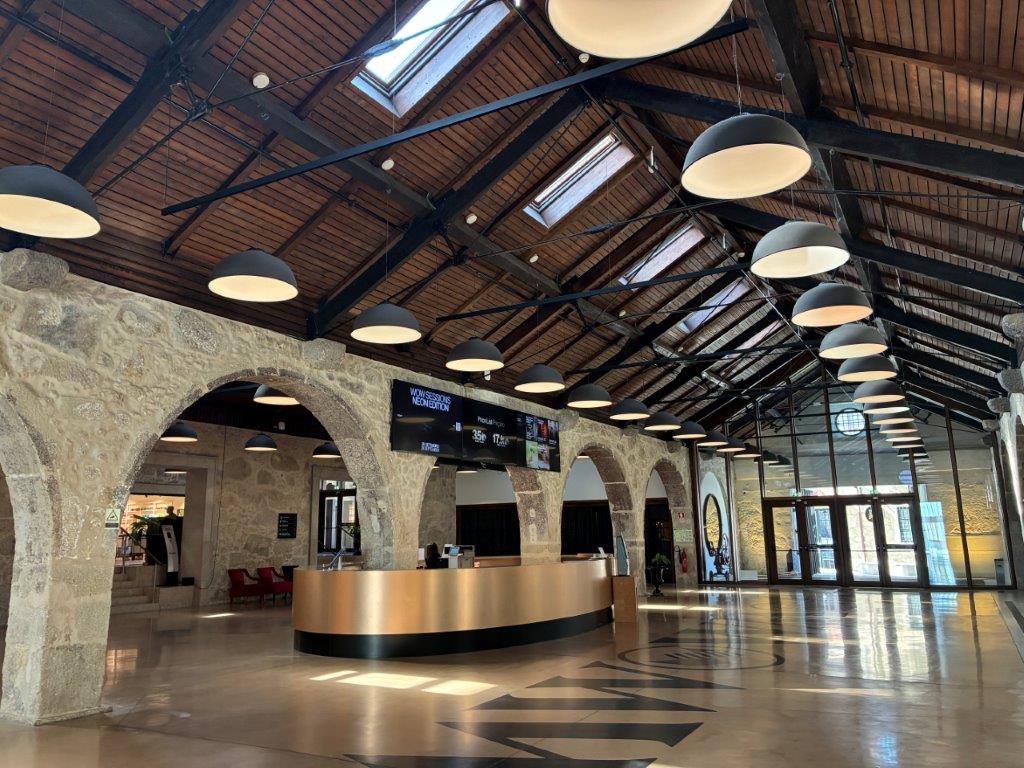
 Vila Nova de Gaia is a nice area to just meander around with narrow lanes and some cool street art. We also popped into WOW (World of Wine), which has a variety of wine-related attractions. We’d heard good things but found it to be very quiet and a bit soulless, so we weren’t hugely wowed by it!
 Hearing some live Fado music
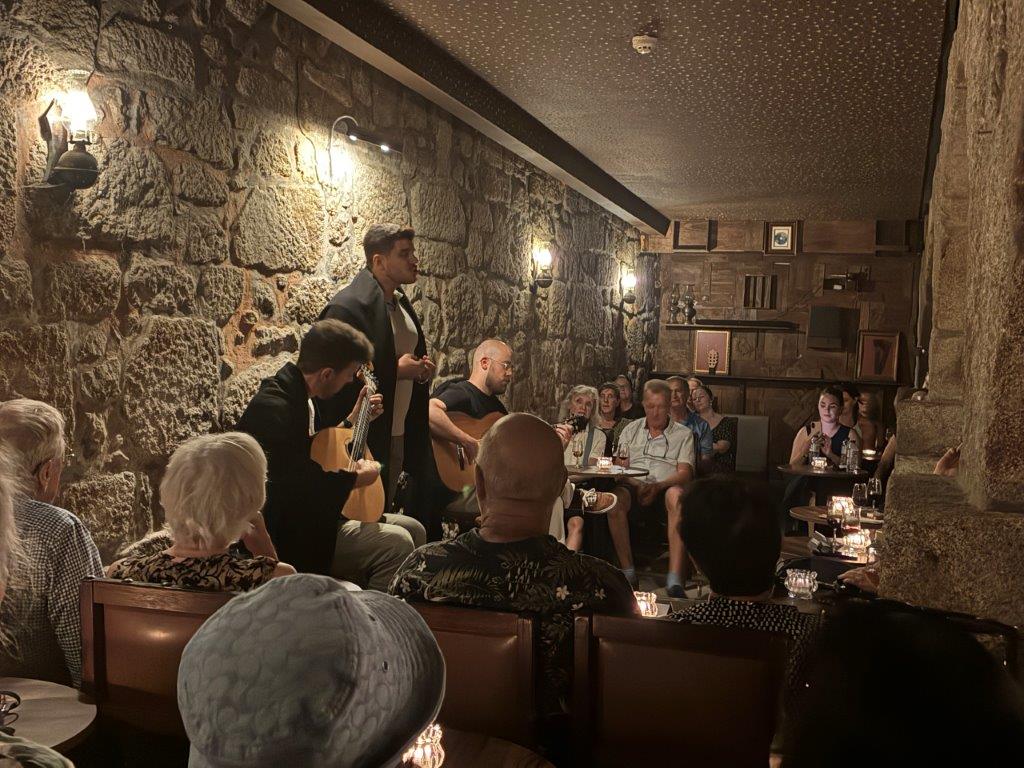
While Porto isn’t where the Portuguese tradition of Fado originated, it’s still a good place to catch a live show. Fado was described by my friend as melancholic singing, which didn’t exactly fill me with joyful anticipation! But as with many traditions, there’s a danger it will die out. So we joined an entirely non-Portuguese audience for a show at Fado Maior do Porto.
There is a more modern iteration of Fado being practised nowadays, but the traditional way is a vocalist accompanied by a Portuguese guitar and acoustic guitar. The show we saw was an hour-long performance split into two parts. One was Lisbon style, which is the best-known style of Fado. The other was Coimbra Fado, which is sung in black academic capes and rarely heard outside academic circles. All of the performers were excellent, so it’s well worth an hour of your time. And you can add a glass of port to the booking to jolly things along.

 Enjoying Porto’s excellent food and drink options
Beyond the restaurants already mentioned, Porto has many more great places to eat and drink. On the first night of the wine tour, we were taken to a fine dining restaurant, Almeja. The seven-course tasting menu was delicious.

 Rua das Flores is a popular shopping street, but it also has plenty of restaurants. Taberno do Lago was a great option for tapas-style dishes. At the end of the street is Traça, an excellent place for dinner with very reasonably priced wine. There are plenty of places to try the local speciality sandwich, the Francesinha. But if you want somewhere traditional with bags of character, then try Brasão Aliados. They also offer a vegetarian version of the Francesinha, so we were able to try it. The egg on top is optional, but we went for it. It’s an interesting dish that I wouldn’t have again! But in fairness it may work better with meat.
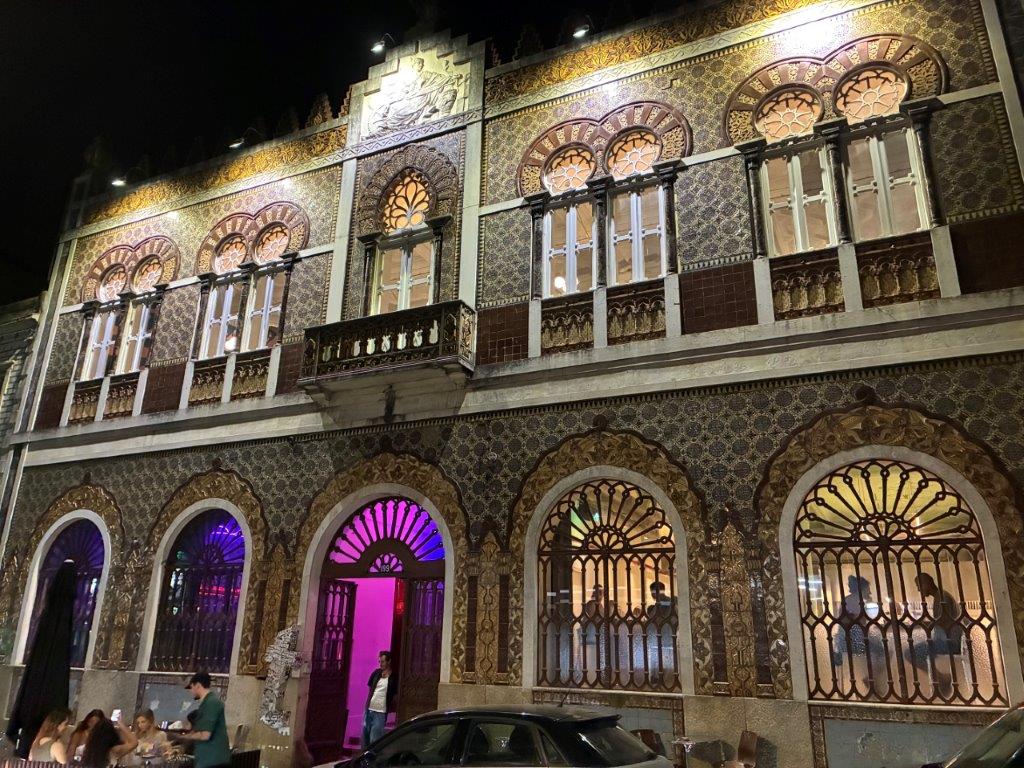
 For drinks, there are plenty of places by the river, and the Galleria de Paris is a couple of streets lined with clubs, bars and cafes. Being lovers of classic cocktails, we went to the Royal Cocktail Club along here, which was great. But our favourite cocktail bar was definitely Torto. It’s a super cool spot inside a gorgeous building with excellent bartenders and creative cocktails.
 Visiting beautiful vineyards
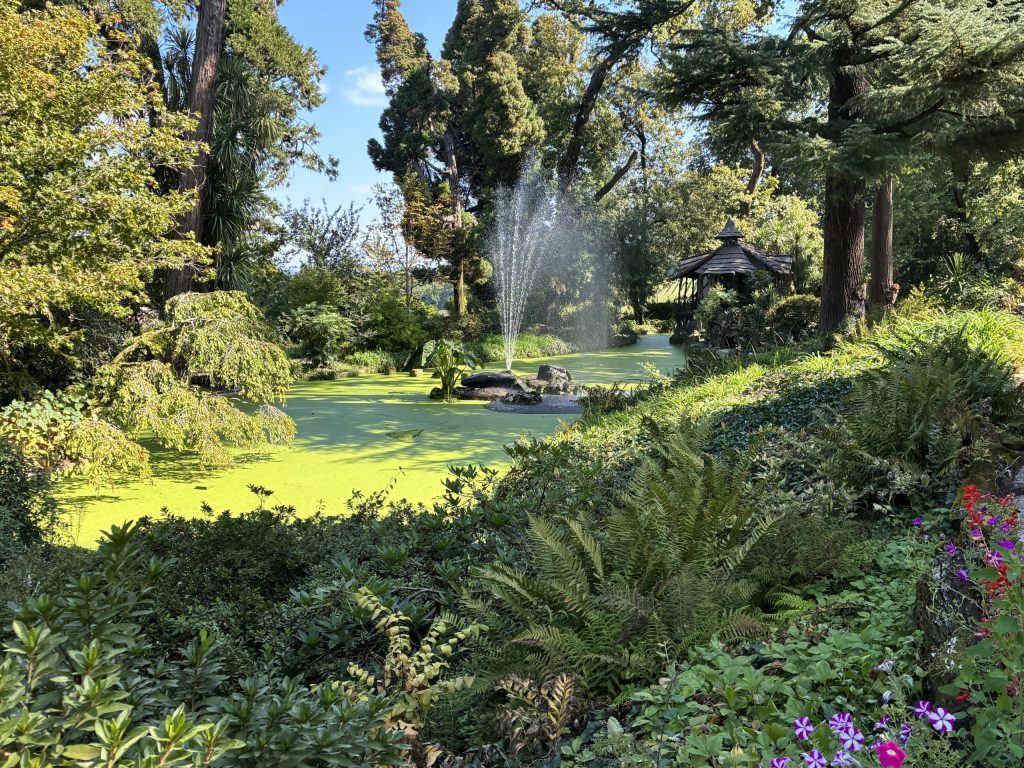
And finally, there is Porto’s perfect proximity to many wine-growing regions and vineyards. As mentioned, it was a wine tour that took me to Porto, and then I stayed for a few more days to see the city. I booked it with Tim Syrad Wine Tours because I go to regular tastings with Tim near where I live. He put together an excellent tour that took us to a wide range of vineyards in the Douro Valley, Vinho Verde, Bairrada and Dão. The closest to Porto, Quinta do Avaleda was in Vinho Verde and only a 30-minute drive away. So you might be able to get an Uber there. The gardens alone are worth the visit, not to mention the goat tower!
 But the standout visit was to Casa do Romezal in the Douro Valley. While Avaleda is a massive wine producer, Romezal is home to a much smaller winery. Gueda Wines is run by brother and sister, Luis and Margarida Quinas Guerra. Luis did our tour and tasting, and he was very engaging and entertaining. I came away thinking he is the modern face of Portuguese winemaking and will for sure help to modernise port and make it a drink of the future, not the past. They also have accommodation at Casa do Romezal, so next time I’m in the Douro Valley, I know where I’ll be staying.

 To read about more great European destinations, visit the Europe section of my blog.
Discover more from TRAVEL COCKTAIL
Subscribe to get the latest posts sent to your email.