Mexico City has 20 million inhabitants, and after a day walking around the central area, it felt like I’d met most of them. Literally teeming with people, the streets are hard to navigate in a hurry, but there’s plenty to see along the way.
As with many cities of its size, the architecture varies. There are some lovely historic buildings, many of which are pretty run-down or under renovation. Others are ultra-modern and house offices or hotels with an inevitable Starbucks at their base. Shops tend to be grouped together, so you’ll pass a stream of perfumeries stacked with empty bottles of all shapes and sizes. Then you’ll find that shoes have taken over, followed by men’s suits and bookstores. Then, as you get further from the tourist centre, it’s bathroom fittings.
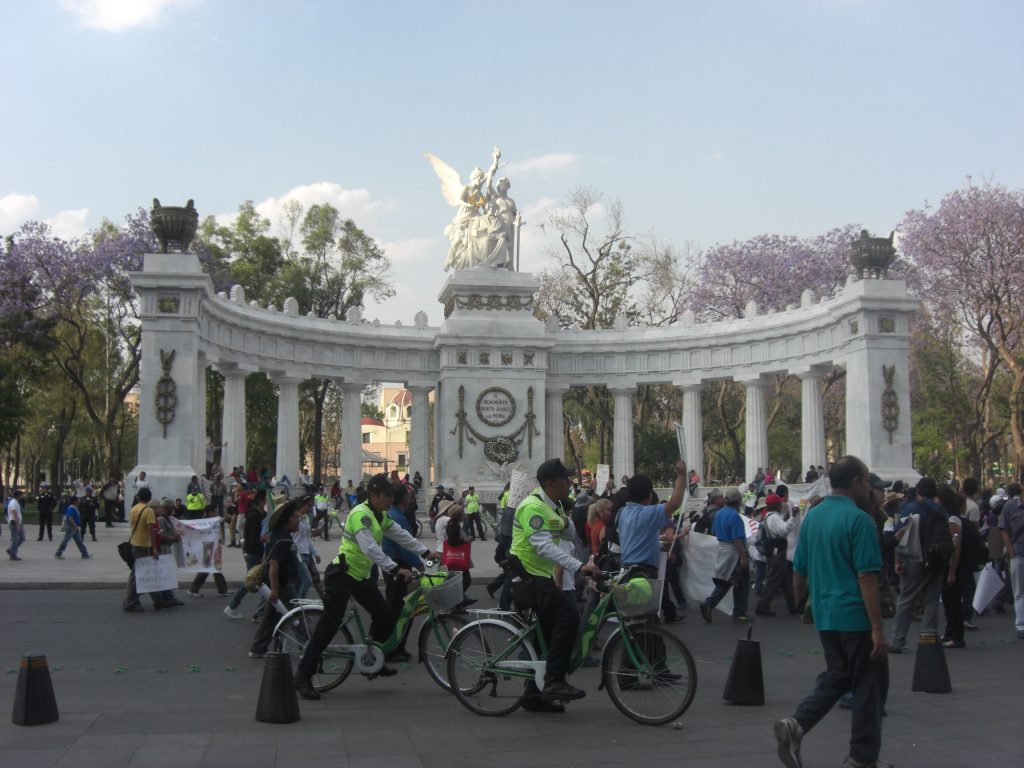
Cars move slowly through the heavily congested streets. There’s a Government move to ease it with frequent racks of Eco bikes available for hire, though I definitely saw more on the stands than actually in use. Protest marches are also a regular feature, with people from poorer areas outside of the city flooding in to make their voices heard.
 A quicker way to get around is the metro, although, as it moves four million people through the city every day, the rush hour is best avoided if possible. Rush hour is a particularly uncomfortable time for women to travel, as the packed trains offer a prime opportunity for men to develop wandering hand syndrome. Fortunately, to combat this, the front couple of carriages of trains are reserved exclusively for women and children during rush hour. We didn’t find it was always strictly enforced, but it was definitely a better experience than one female traveller I met who had a very touchy-feely journey after getting into a standard carriage with her husband. Now he travels in the women-only section with her!
Once on the metro, the shopping opportunities continue. At every stop, someone gets on with a carrier bag or a box filled with goods to sell. I saw torches, headphones, chocolates and chewing gum, plus one man selling DVDs of The Beatles, which he was previewing on a laptop held above his head. There was also a raft of things I couldn’t identify, but I’m not sure I actually saw anyone buy very much. You have to admire these Mexicans for their entrepreneurship, but understanding the needs of their target audience might reap more sales!
What to see and do in the city
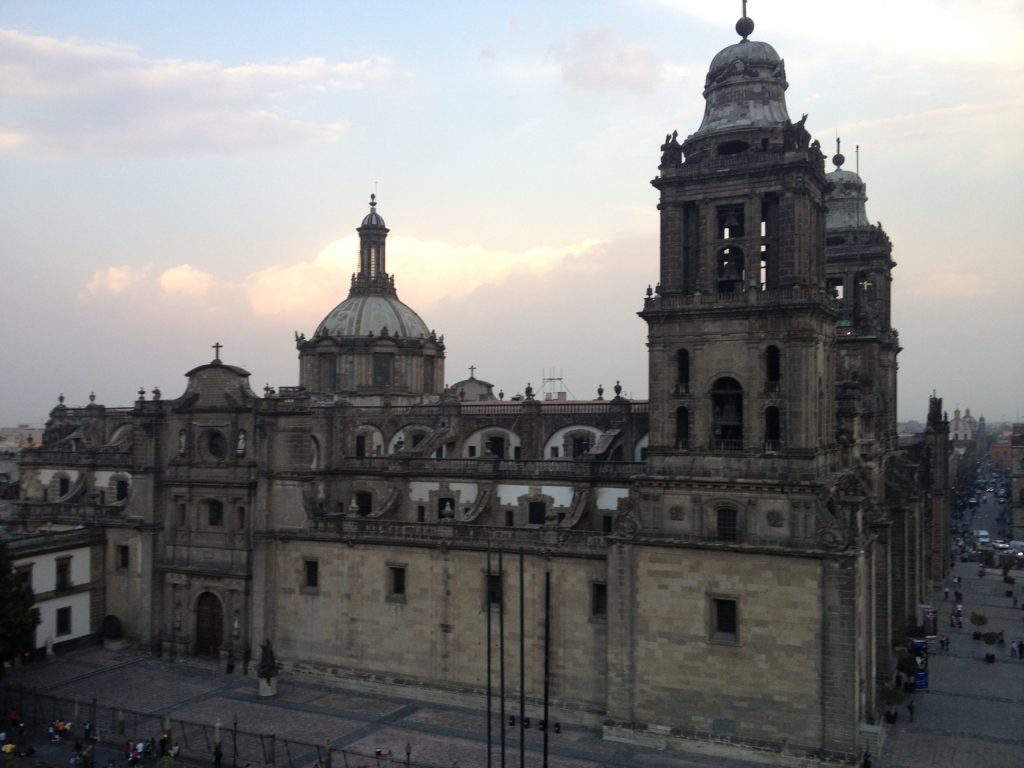
Many of the main sights are in the historic centre, the heart of which is the Zócalo, a vast square flanked by the city government offices, the beautiful baroque cathedral and the Palacio Nationale, home to the president of Mexico as well as a famous mural by Diego Rivera. Just off the square is the excavated Templo Mayor, once the most important and sacred building in the ancient city.
 Outside of this area, there are many others to explore, some with a very different feel, like Condessa which reminded me of Palermo in Buenos Aires. One area I’d have liked to visit but couldn’t fit in after being waylaid by an online check-in challenge is Oximilcho, where you can take a gondola ride on the ancient canals. Hard to imagine when you see the city today, but it was originally a series of lakes that were joined up by planting vegetation and leaving narrow canals to move around the different areas.
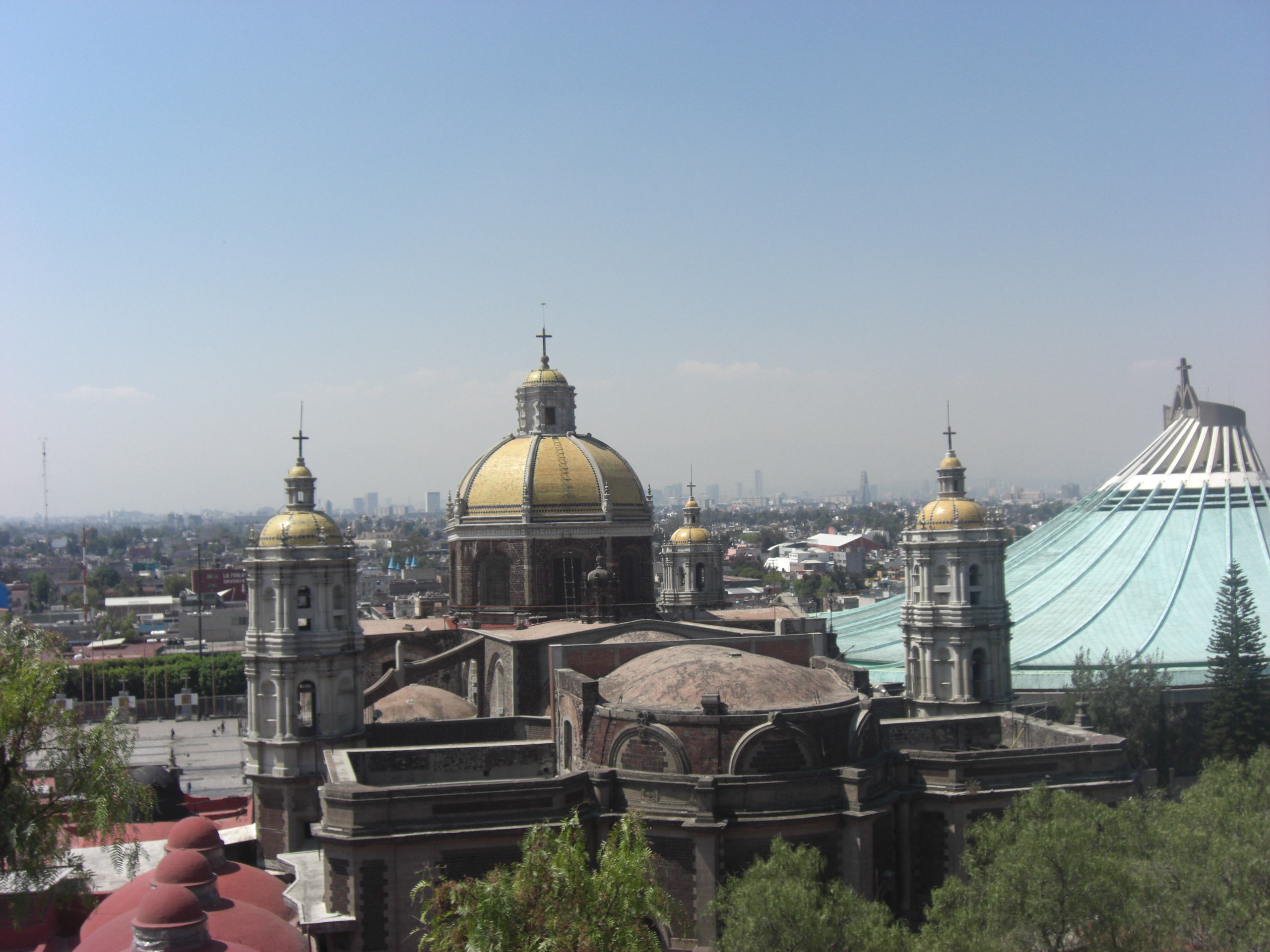
The long-term impact of being built on a lake can be seen at another attraction worth a visit, the Shrine of Guadalupe. The original church started sinking some years ago, and although it was halted, its lopsidedness is clearly visible.
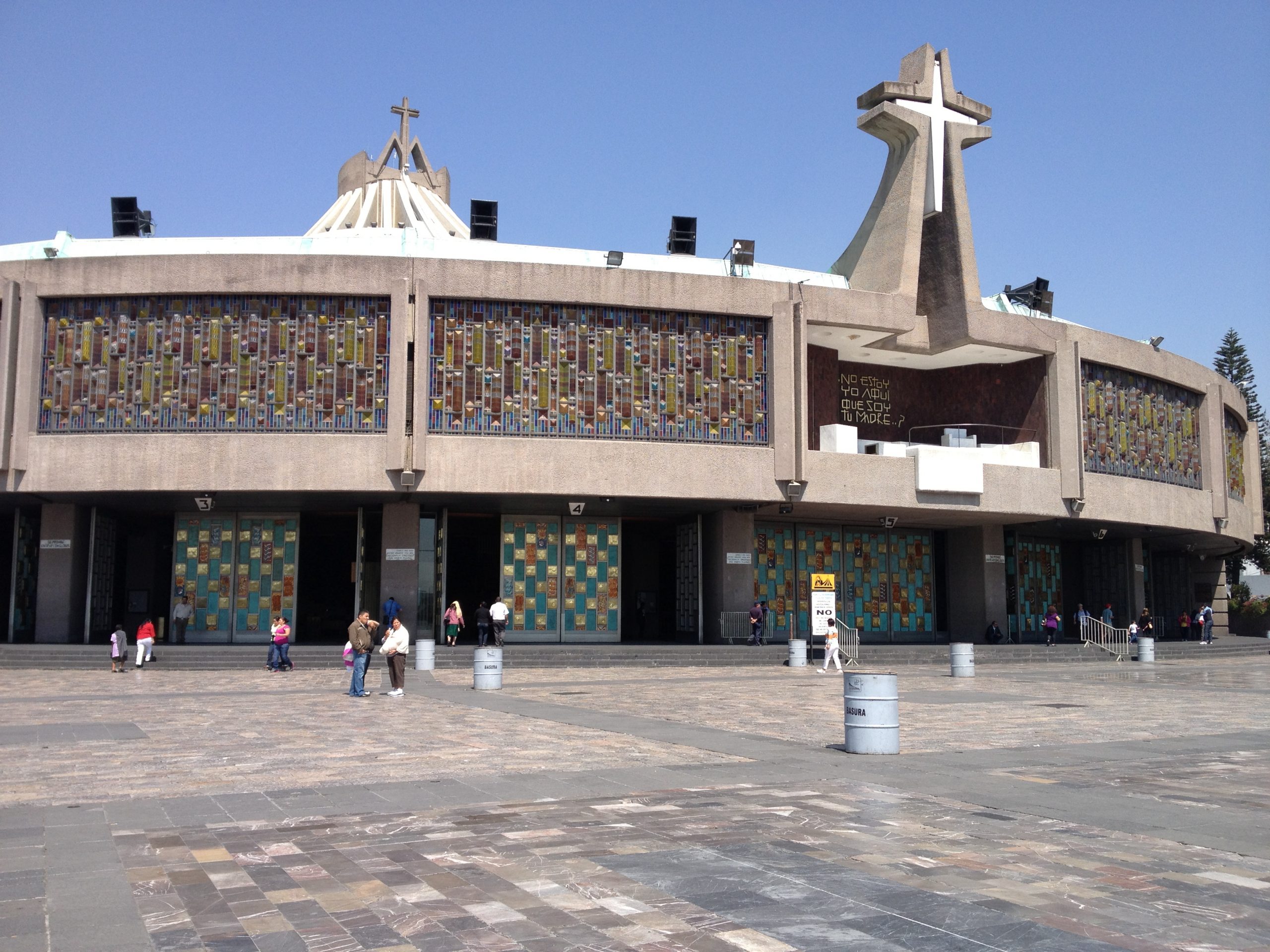
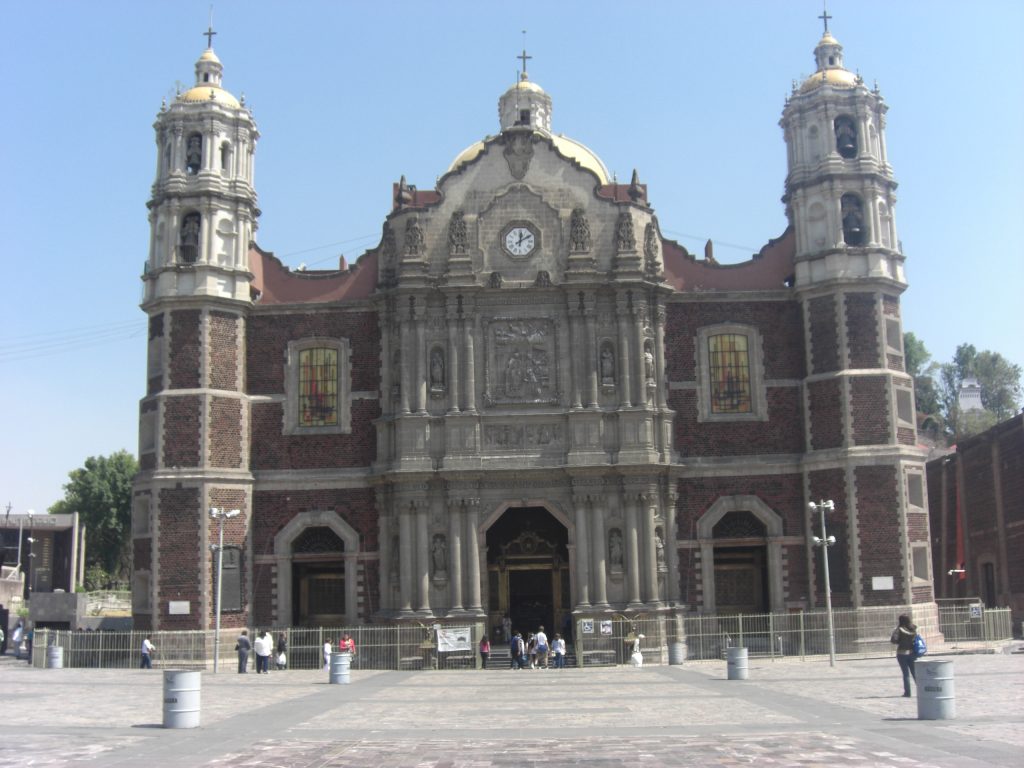 The shrine was built following a vision of a beautiful lady witnessed in 1531 by Juan Diego, an indigenous Christian convert. Convinced he had seen the Virgin Mary, he told the bishop, who refused to believe him until the vision miraculously appeared on Juan Diego’s cloak. Not surprisingly, today you can buy a t-shirt with said vision printed on it! The original church is fairly small, and by the 1970s, the number of pilgrims flocking there couldn’t be contained within it. So a large modern version was built next door. A vast round structure, it doesn’t look much like a church. But it holds 4000 worshippers and there’s a clever moving walkway behind the main altar where you can view the image of the Virgin above.
 An unmissable day trip to Teotihuacan
Not to be missed while in Mexico City is the 50km trip to Teotihuacan, which was Mexico’s largest ancient city and is famous for its fantastic pyramids. The drive out is interesting in itself. You head towards the mountains, which look impressive from a distance, but on closer inspection reveal themselves to be covered with homes. Most seem little more than grey concrete structures, which look unlikely to offer many home comforts. It’s not quite the favelas of Rio, but it does appear to be cheap housing for those with limited funds.
Once in the Teotihuacan area, it’s worth a stop at a local artesian cooperative like El Sol, on the road near the Gate 5 entrance. An inexpensive buffet lunch is on offer along with a huge range of craft goods, including plenty made from obsidian, the local volcanic rock. It’s also for sale at the stalls on the way out of the archaeological site, but I somehow doubt they are the real thing.
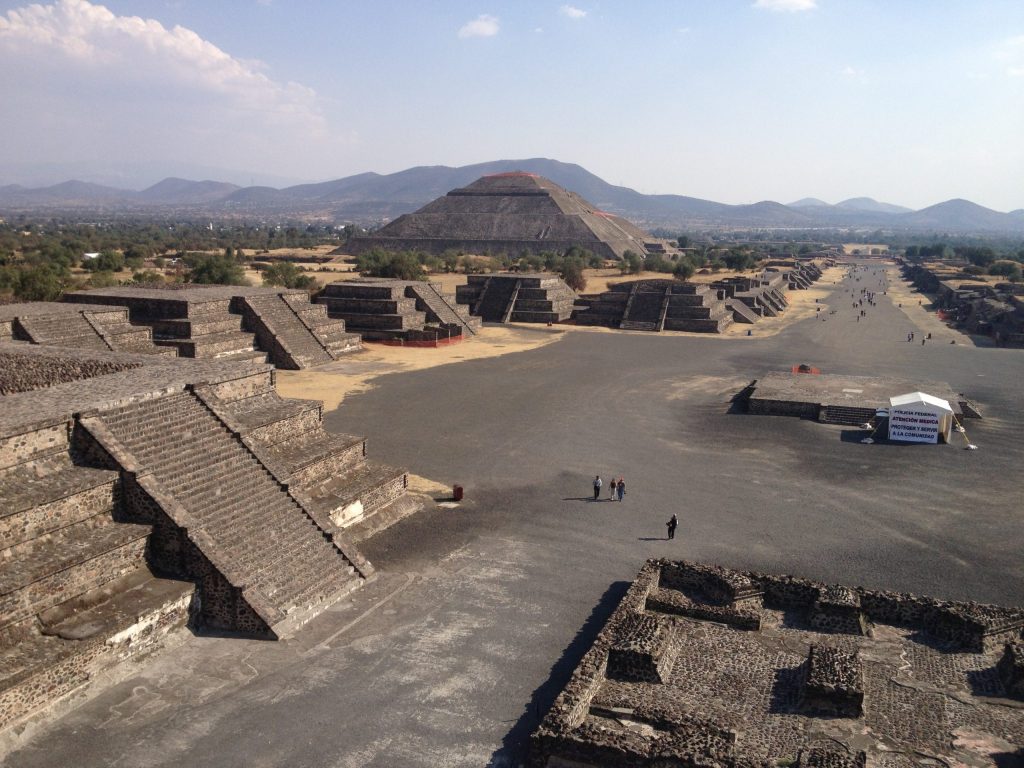
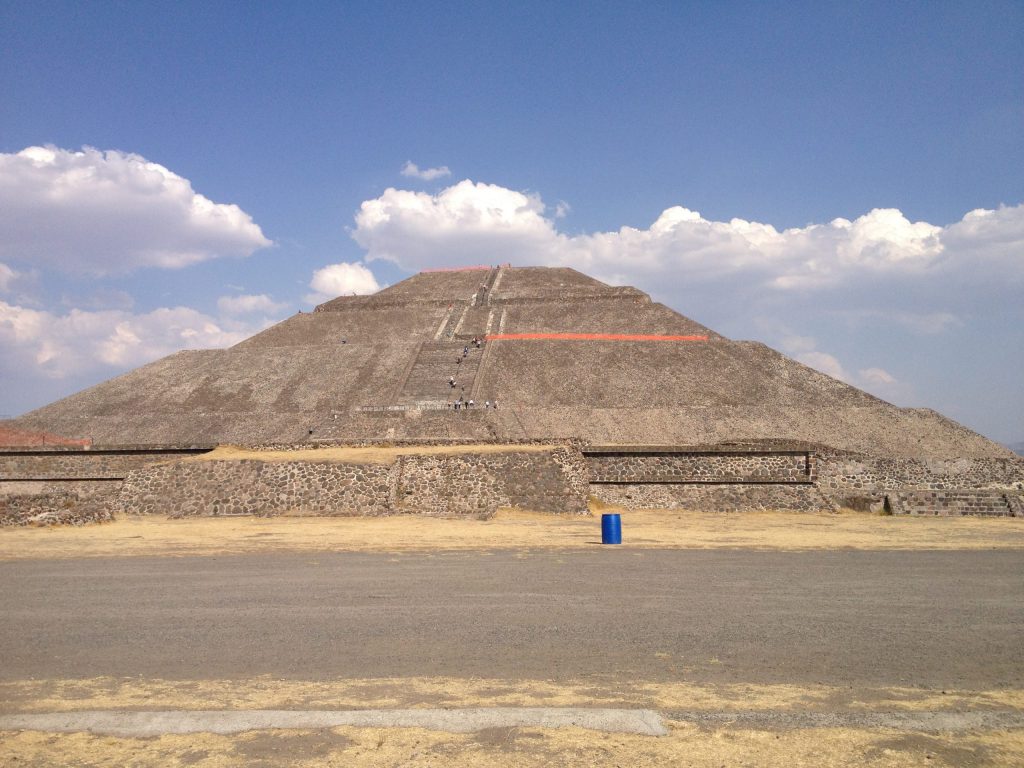
The Teotihuacan site is fabulous, one of the best I’ve seen. The two main pyramids are the Piramide del Sol and Piramide de la Luna. Both are huge, with the former being the third largest in the world. It’s a long way to climb up, and not having a head for heights, I didn’t attempt it. But I did tackle the smaller Luna to the first level, and it was worth it for the view back across the site.
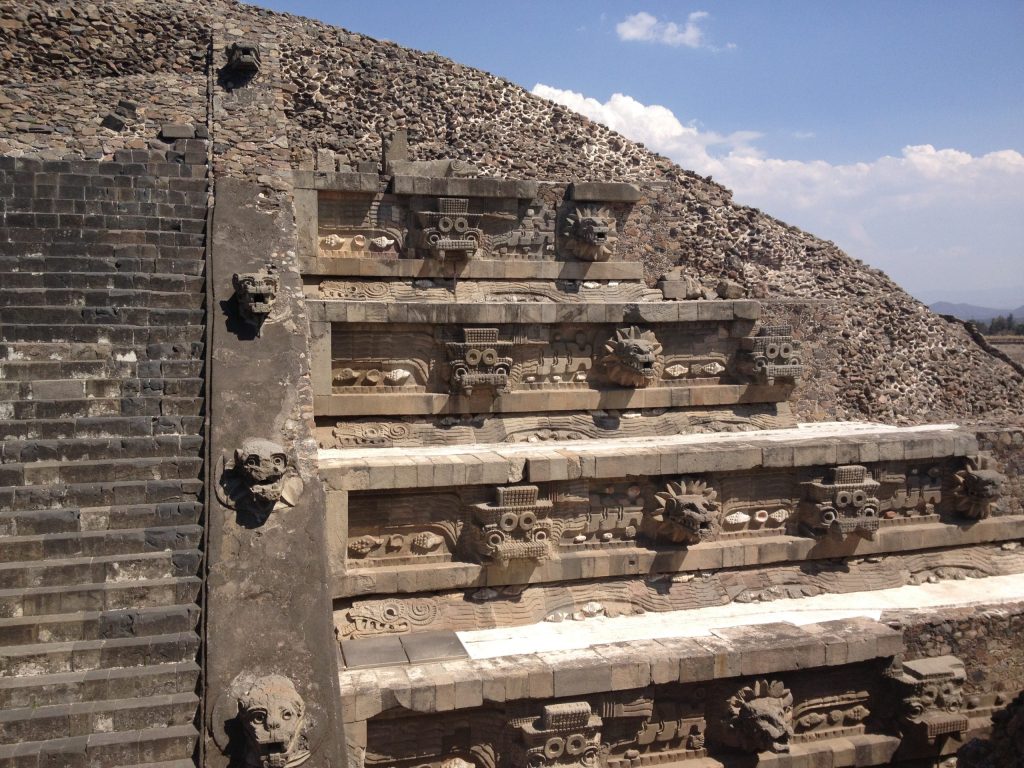
Also worth the effort and just a short climb is the Templo de Quetzalcoati. It features carvings of a feathered serpent and reminded me of Copan in Honduras, where there are extensive carvings on the ruins. There’s a fair bit of walking from one end of the site to the other, and with limited shade, the sun and heat are brutal. So make sure you take a hat, sunscreen and plenty of water.
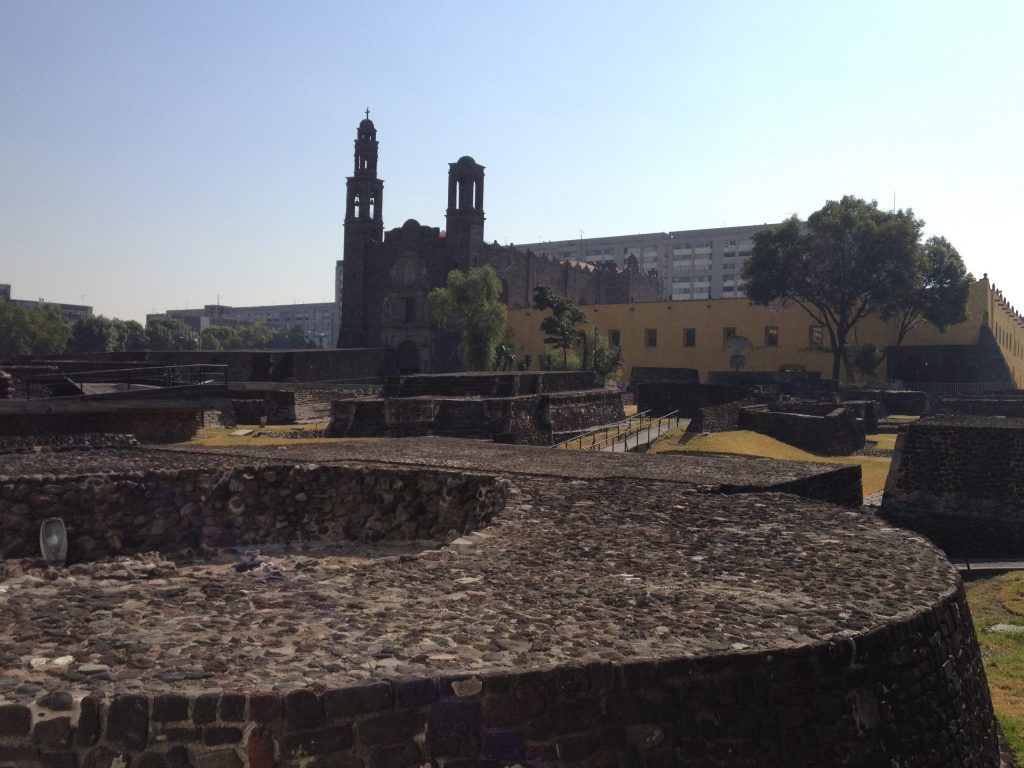
 Getting to Teotihuacan is achievable on public transport, but reviews of how easy that is were mixed. So I booked with Wayak tours, which offers a small group tour by minibus. The trip included a visit to the Guadalupe shrine and to Tlatelolco, a small but interesting archaeological site close to the city centre that was once home to the largest public market in the area. A walkway has been built to view the ruins, which include a double pyramid and are now in the shadow of nearby high-rise apartment blocks.
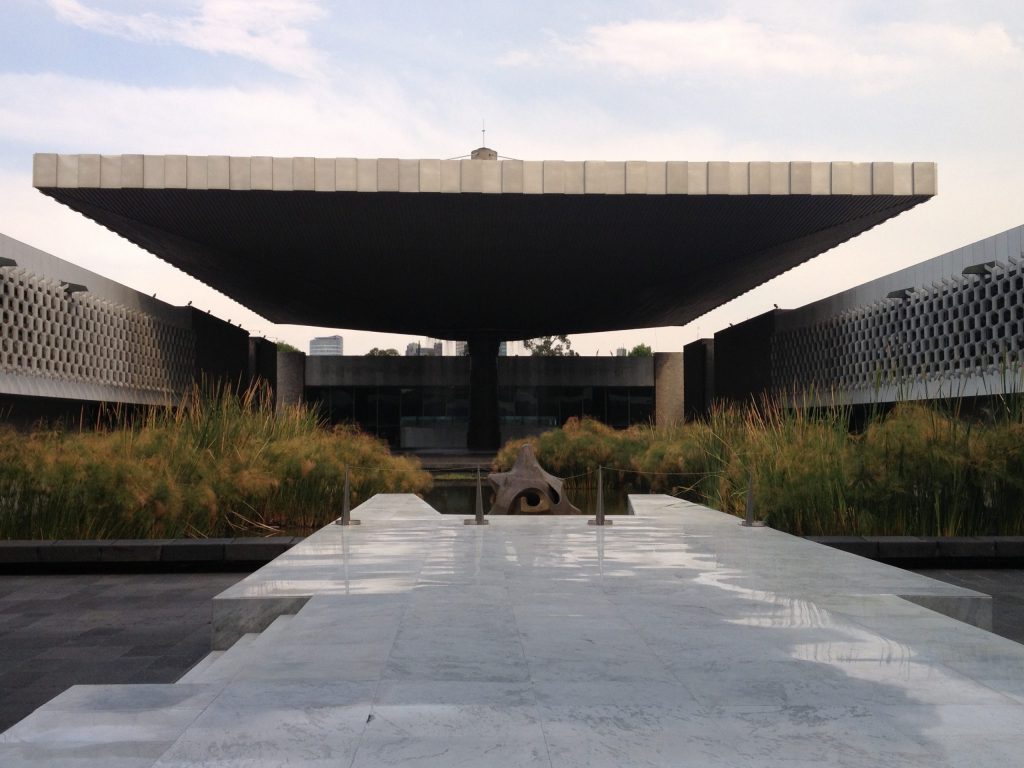
 The other attraction not to be missed in Mexico City is the Museo Nacional de Antropología. I’m not one for spending hours in museums on holiday, but this one is brilliantly put together and provides a great overview of the history and development of the ancient civilisations.
 Where to eat, drink and sleep
Hotels are plentiful in Mexico City, but I don’t think Hotel Catedral in the historic centre where I stayed could be bettered for value. The room was big with two very comfortable double beds, a great shower and a flat screen TV. Staff were friendly and helpful, the included breakfast was varied and plentiful and the view from the roof is fab.
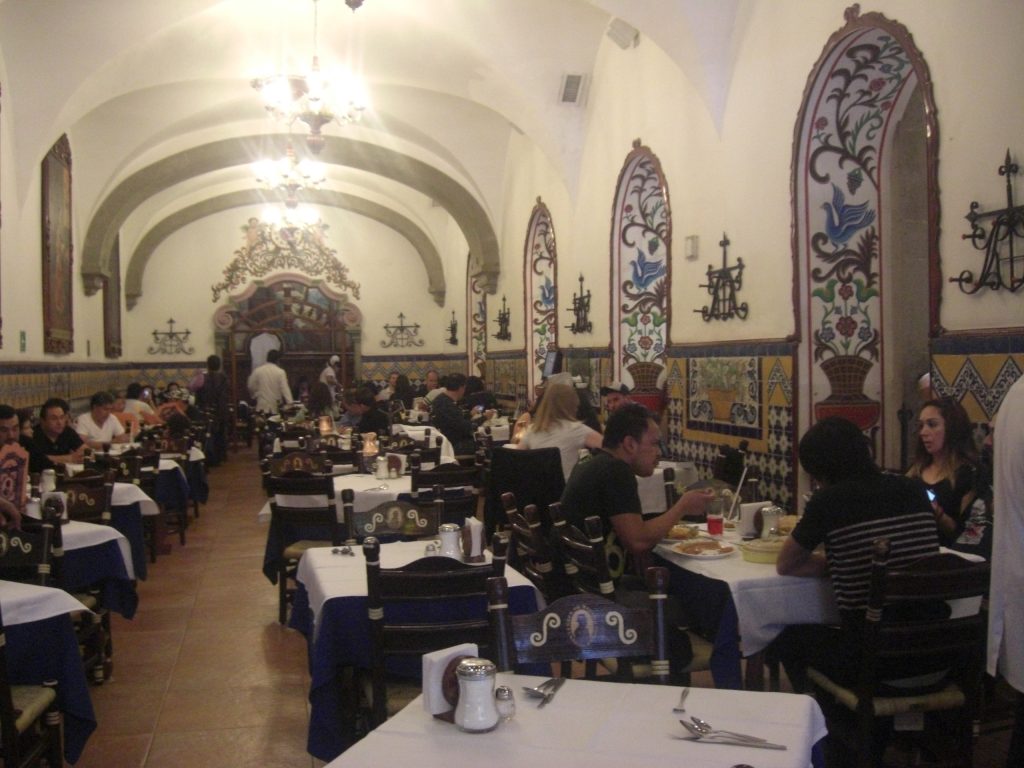
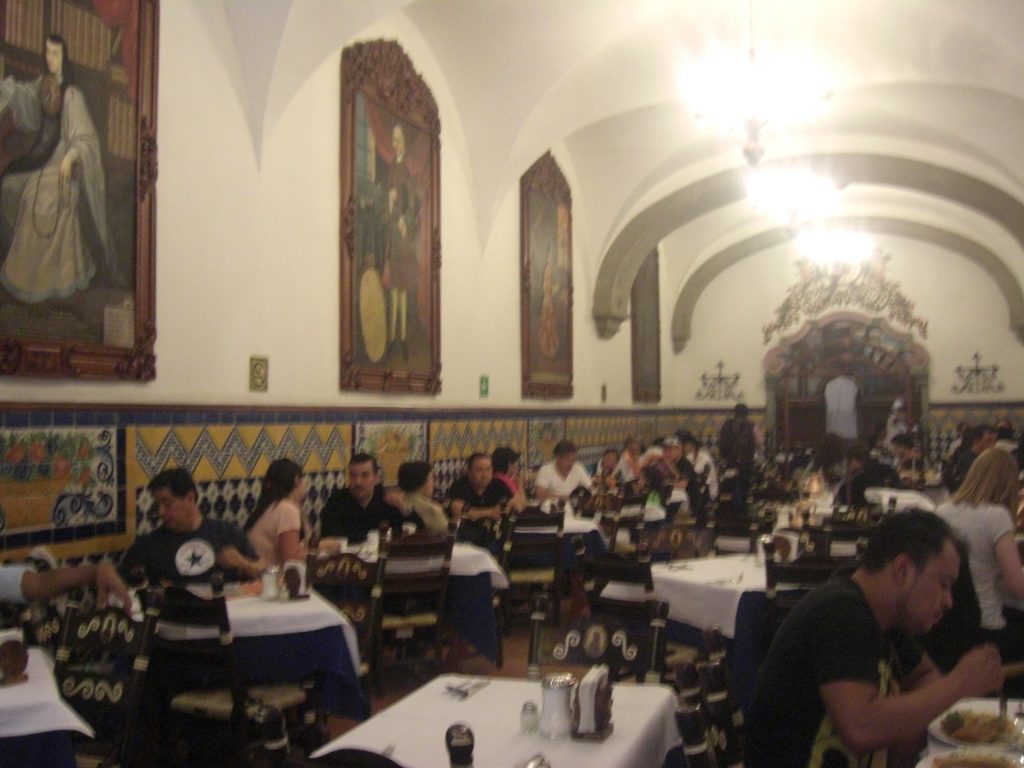
 The only downside was the lack of places to eat and drink after dark in the centre, as many only open for breakfast and lunch. Though we did really enjoy visiting Café De Tacuba for lunch, which also opens in the evenings. It’s a historic spot that’s a bit touristy, but the atmosphere, decor and food make up for that.
 Better for evenings out is the Condessa area, which is packed with good restaurants and bars. I can recommend La Capital, Av Nuevo Leon 137, which serves delicious modern Mexican cuisine, including fab desserts. Also Café La Gloria, Vincente Suárez 41, a more casual bistro with great pasta and salads. There are plenty of places for drinks in Codessa too, including T-Gallery, Saltillo 39 and the Black Horse, Mexicali 85. In the historic centre, a nice place for a drink with a view is Balcon del Zócalo, a rooftop bar above the Holiday Inn which overlooks the cathedral.
So all in all, I’d definitely recommend a visit to Mexico City, but three days is plenty, after which you’ll most likely be ready to escape to somewhere a bit quieter!
For more posts about my trips to Mexico and other Central American countries, visit the Central America section of my blog.
Discover more from TRAVEL COCKTAIL
Subscribe to get the latest posts sent to your email.