Visiting Seoul was a three-night stopover on the way home from Japan. But it wasn’t enough time to experience everything this fabulous and fun city has to offer.
There are colourful grand palaces where Korean people wear the national costume to get in free. K-pop clubs that blast their tunes into the street. A multitude of K-beauty shops that sell bargain products. Amazing street food, cool cocktail bars and excellent, varied restaurants. Not to mention gorgeous traditional Hanok houses and temples that contrast with the neon signs and skyscrapers.
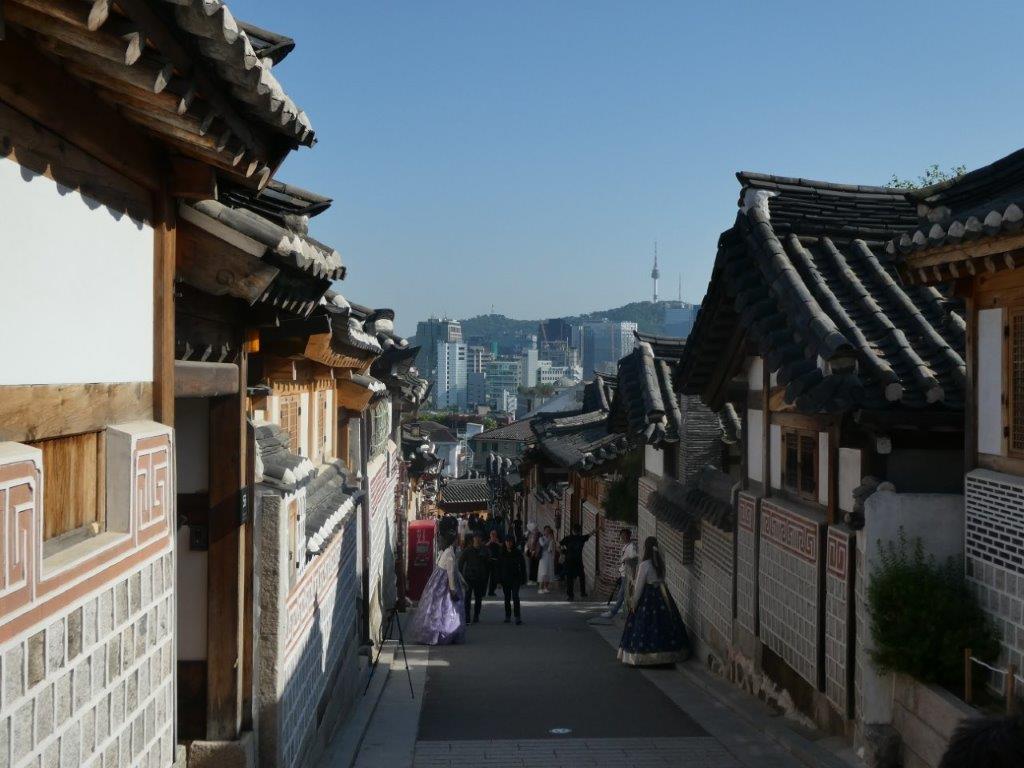 Here’s a flavour of the excellent experiences South Korea’s capital has to offer.
1. A visit to the iconic Gyeongbokgung Palace
The two main palaces in Seoul are quite close to each other. But my friend and I decided to visit them on separate days as it’s very easy to get around Seoul on public transport. It’s fun too, as a musical jingle announces metro trains as they arrive at a station!
When we walked into Gyeongbokgung Palace, we were surprised to see women in large crinoline-style dresses. That’s when we learned that you get free entry to the palace if you wear traditional Hanbok costumes, so lots of local people do. Some Western tourists were also wearing rented Hanboks, but they looked very incongruous!
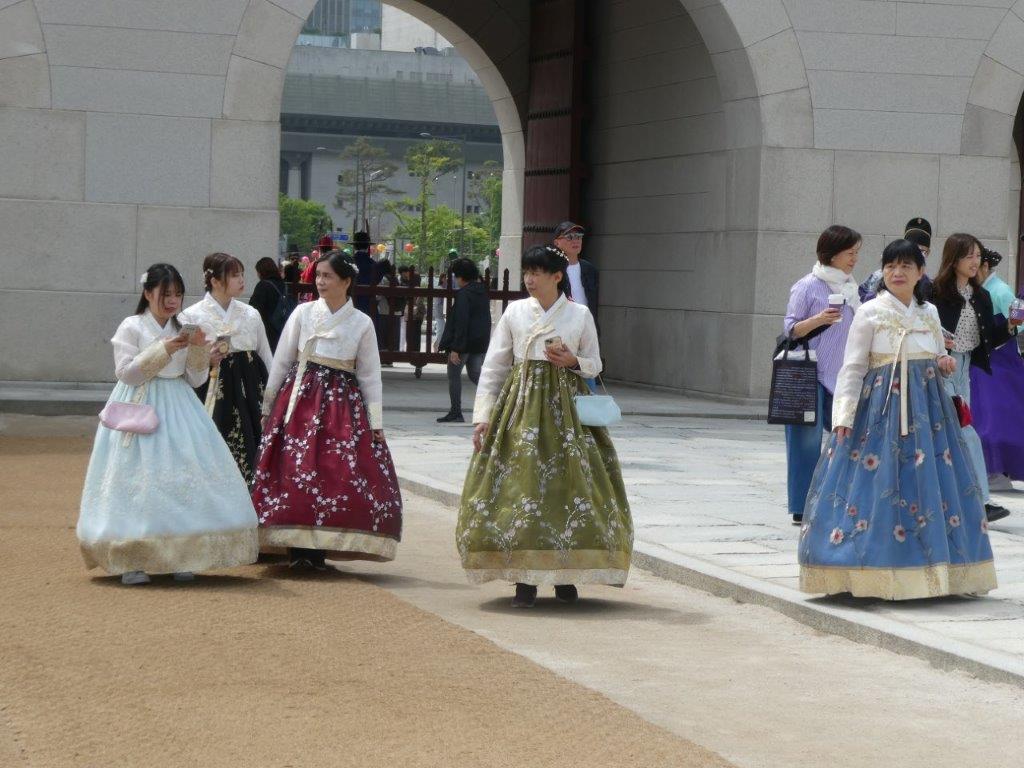
Gyeongbokgung is Seoul’s largest royal palace and was originally built in 1395. Two hundred years later, it was burnt down during a Japanese invasion and was left ruined for another 300 years. A costly rebuild followed before it was partly destroyed again to make way for a government building during colonial rule. So the palace had quite the chequered history before it was rebuilt for the final time in the 1990s. But looking at it today, none of that is apparent. It’s an impressive, colourful place to explore with a throne hall, living quarters and a pavilion in a lake.
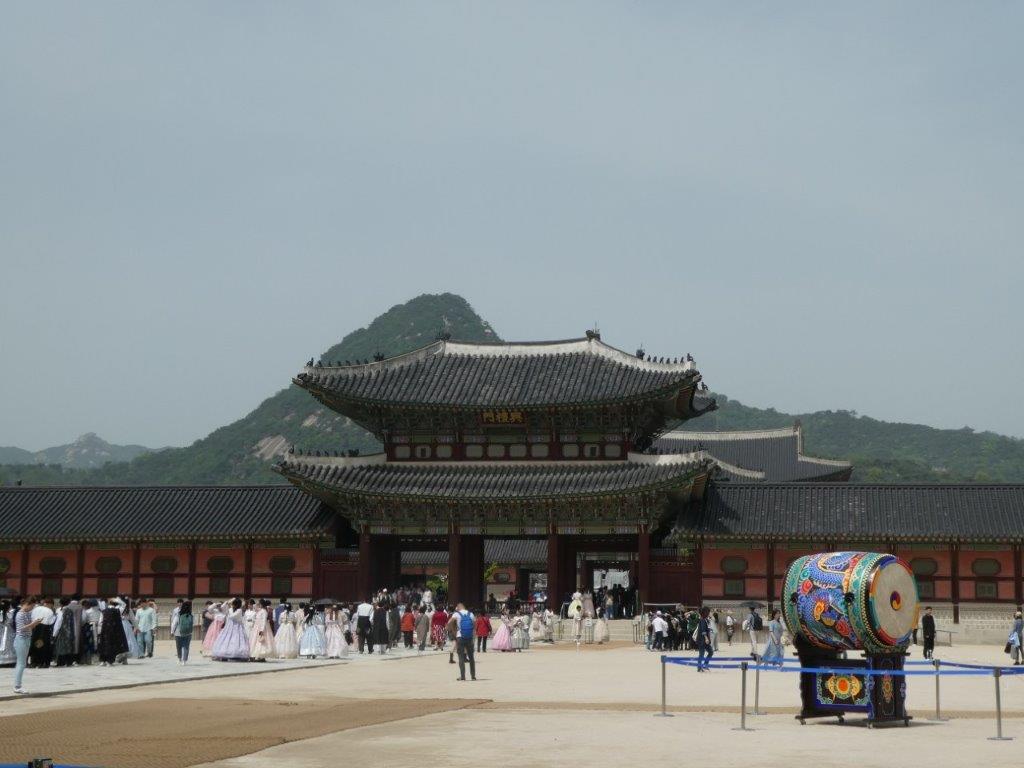
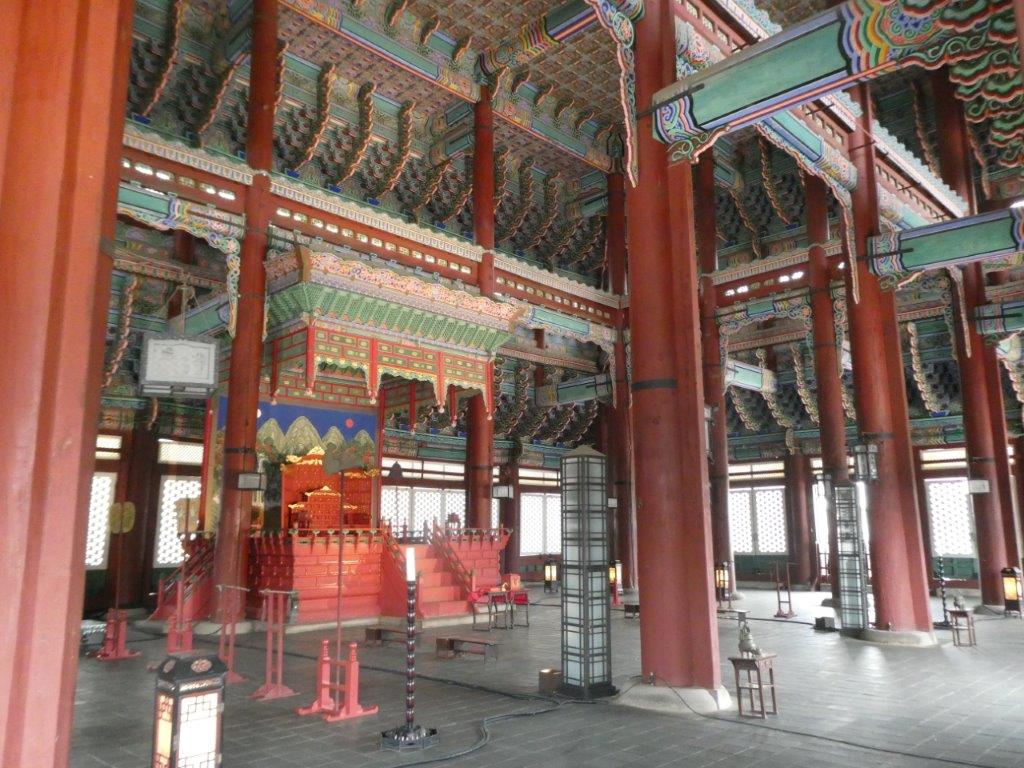
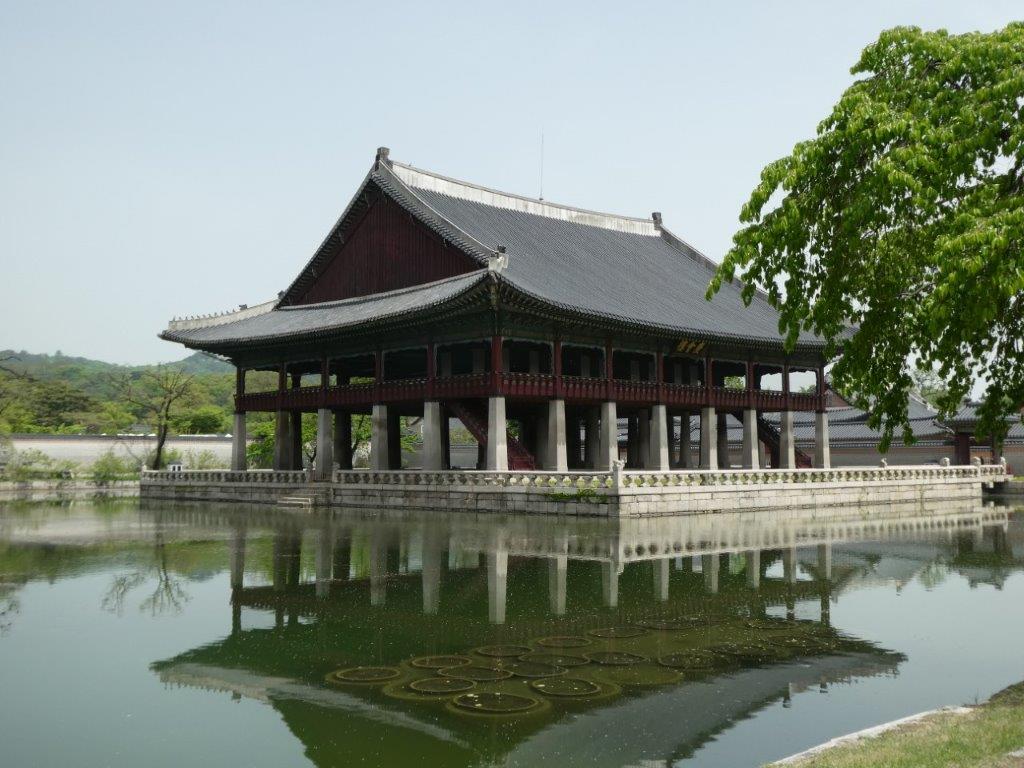 There are free guided tours, but if there isn’t one available when you visit, the audio guide is well worth getting to learn more about the palace. Also, try to coincide your visit with the changing of the guard. It takes place next to the main gate Gwanghwamun on the hour between 10am and 4pm. It’s quite a spectacle!
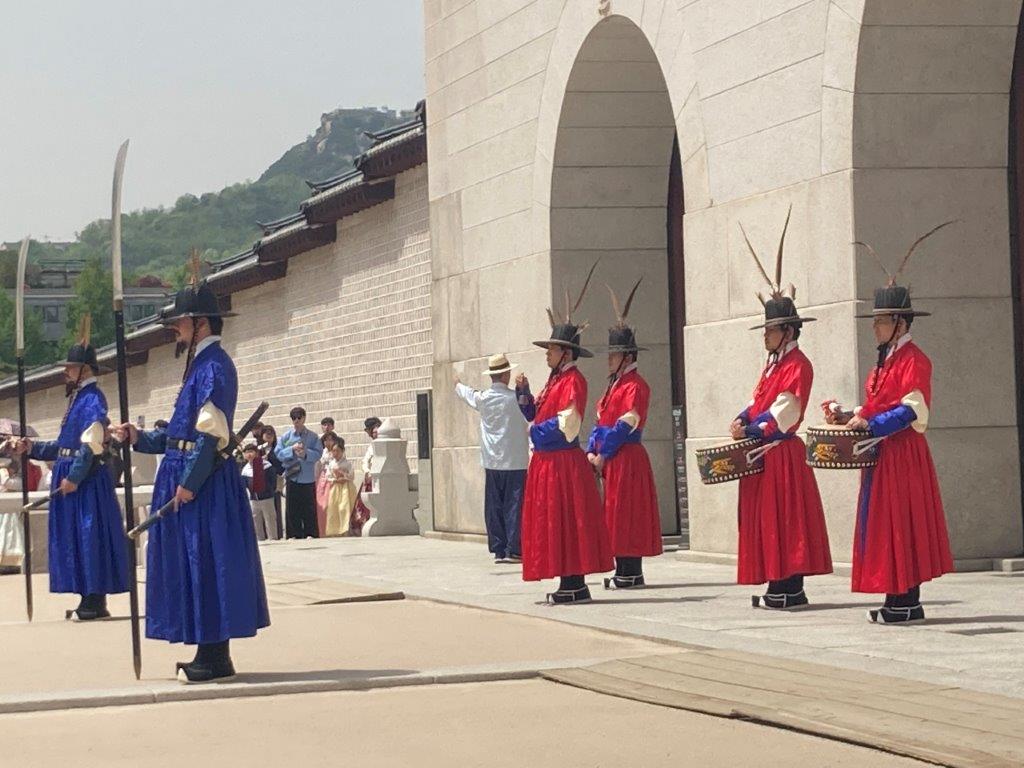 2. Take a tour of Changdeokgung Palace
Changdeokgung is regarded as the most beautiful of the palaces in Seoul. It was also destroyed in the Japanese invasion, but later became the main royal residence and was still in use into the 20th century. You can visit Changdeokgung on your own or take the guided tour, which runs in English at 10.15am and 1.15pm. We decided to do the latter and found it very informative and loved learning about the gorgeous buildings.
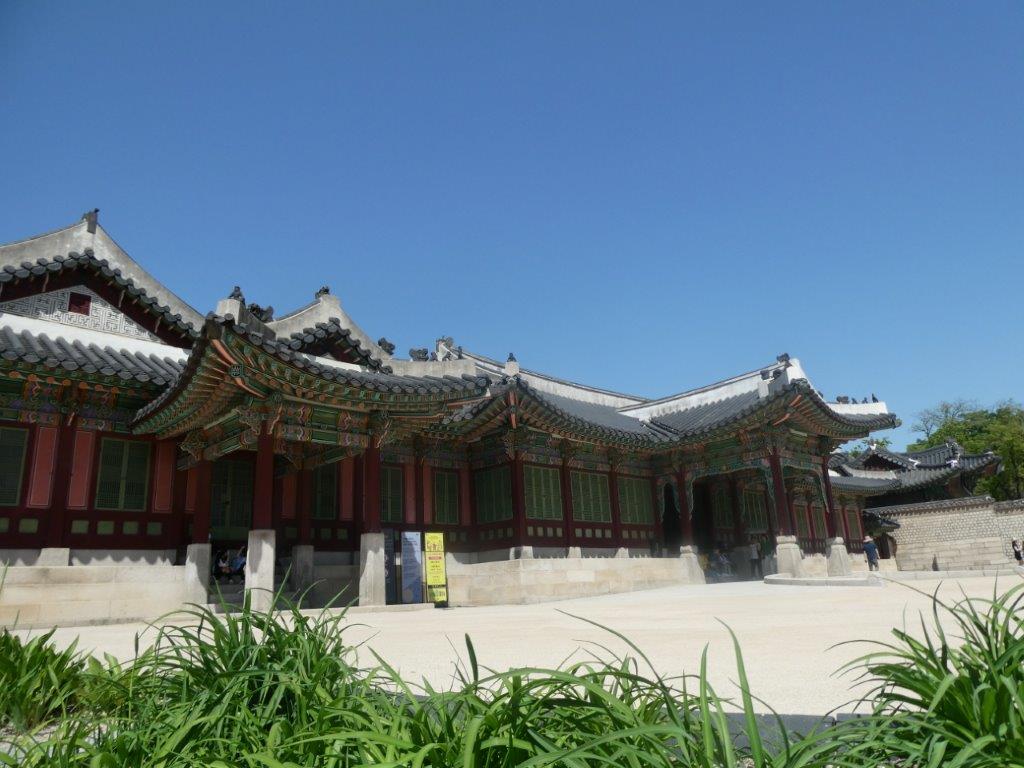
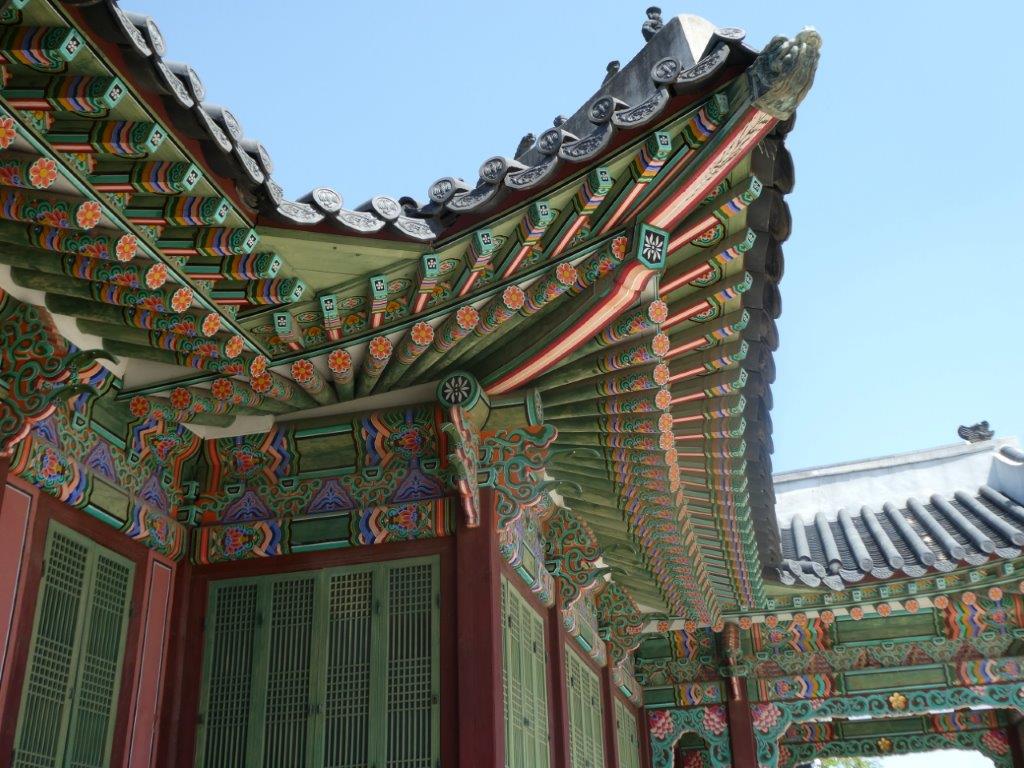
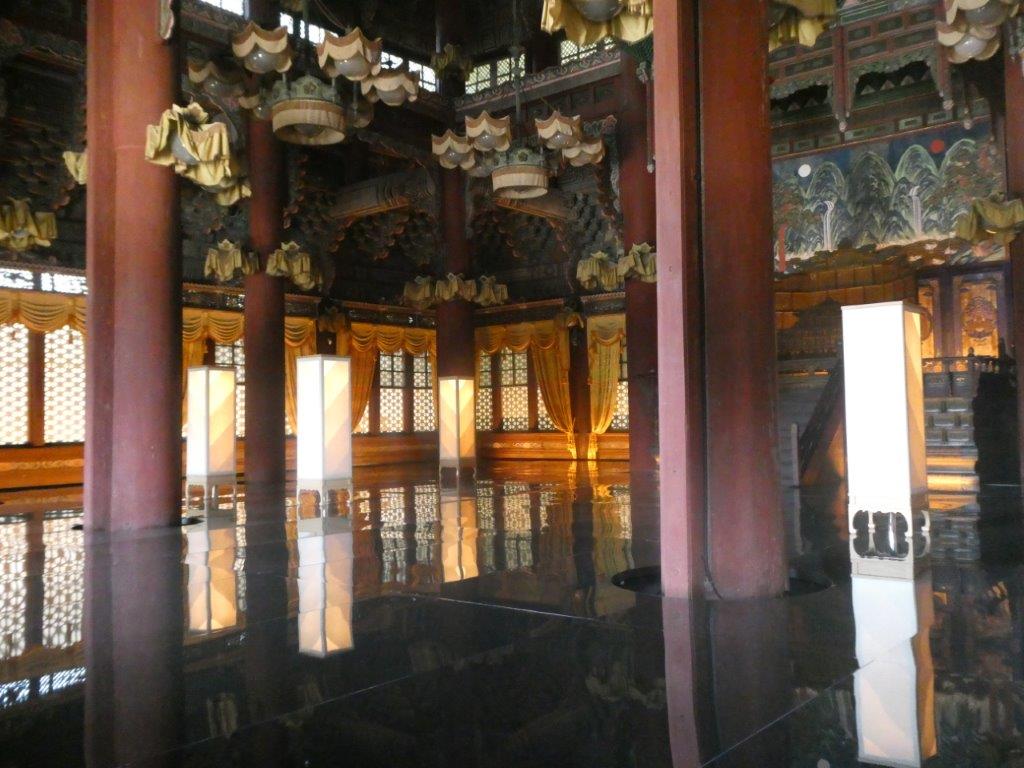
You don’t need to book for the main tour, but you have to book in advance online or at the ticket office on the day for the palace’s Secret Garden tour. There are only 100 places per tour, with half available online and half at the office. So it’s a competitive business, and we didn’t get on a tour. One for next time, now we know how it works!
3. Step back in time at the Hanok village
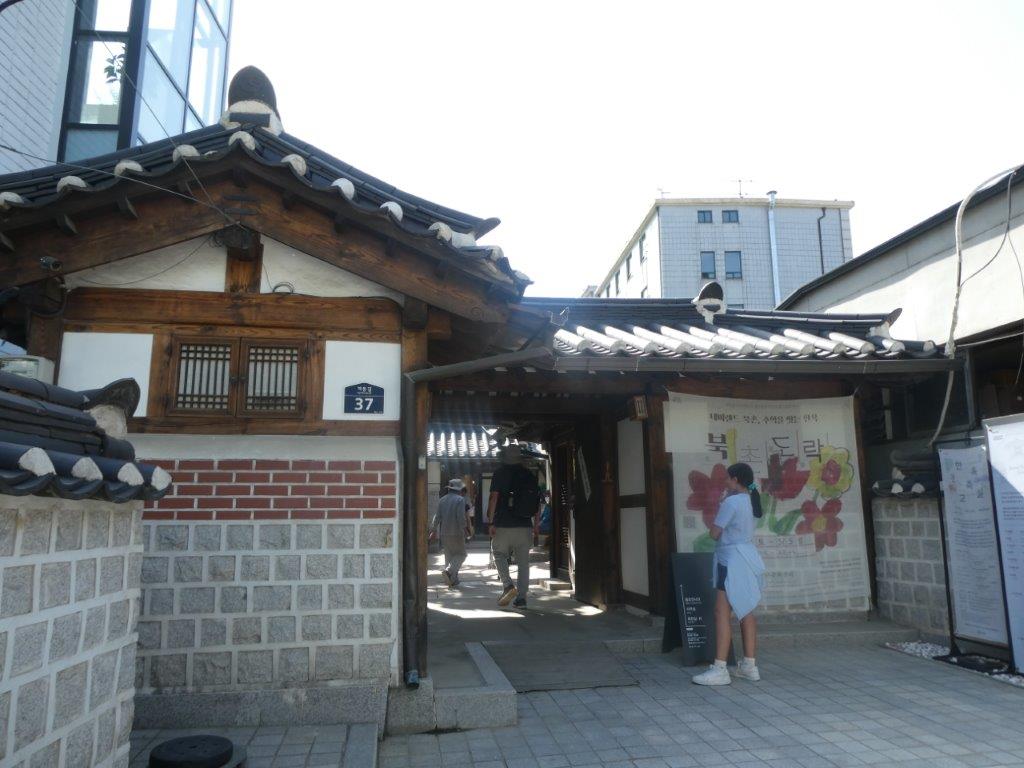
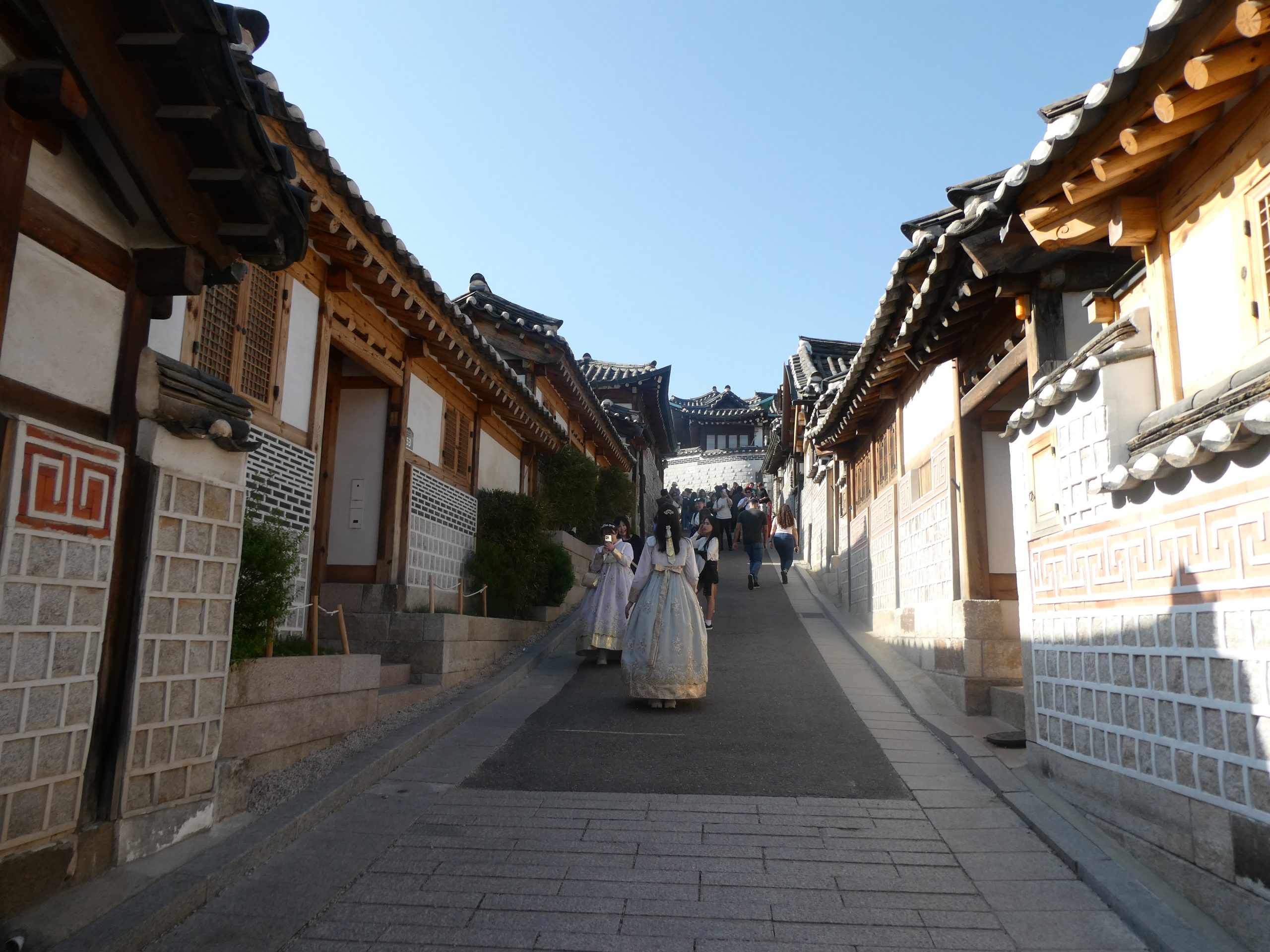
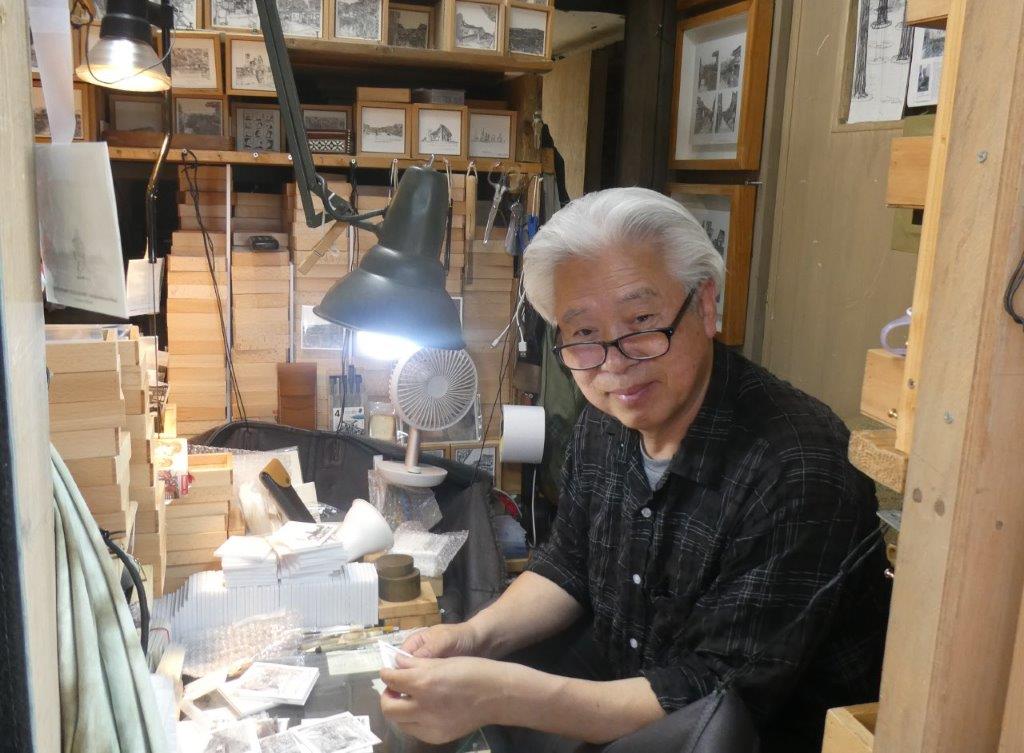
Between the two royal palaces is the Bukchon Hanok Village, home to around 900 hanoks, aka traditional Korean homes. And not to be confused with hanbok, the traditional dress mentioned earlier. Start with a visit to the Bukchon Cultural Centre, where there is an exhibition about the hanoks, along with free maps and other information. Unsurprisingly, the village is pretty busy with tourists, but nevertheless is a lovely area to wander around and admire the houses. There are also shops and artisans at work. I bought a fab mini painting in a frame and enjoyed meeting the artist who was busy creating them.
 4. Taste your way through Gwangjong Market
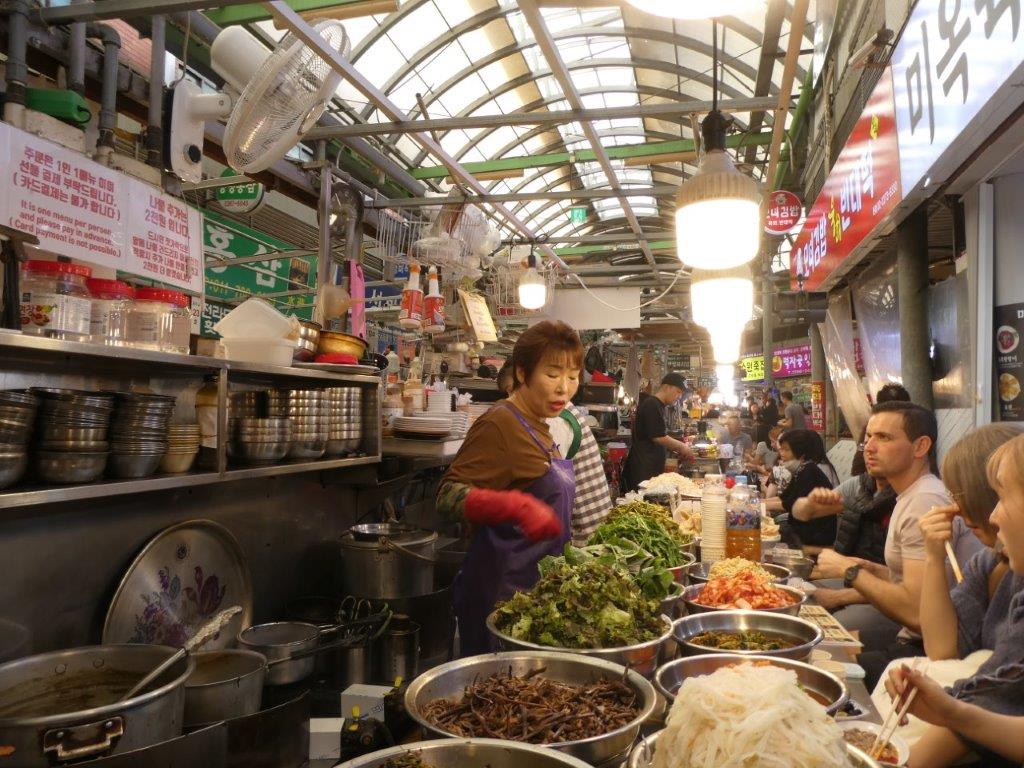
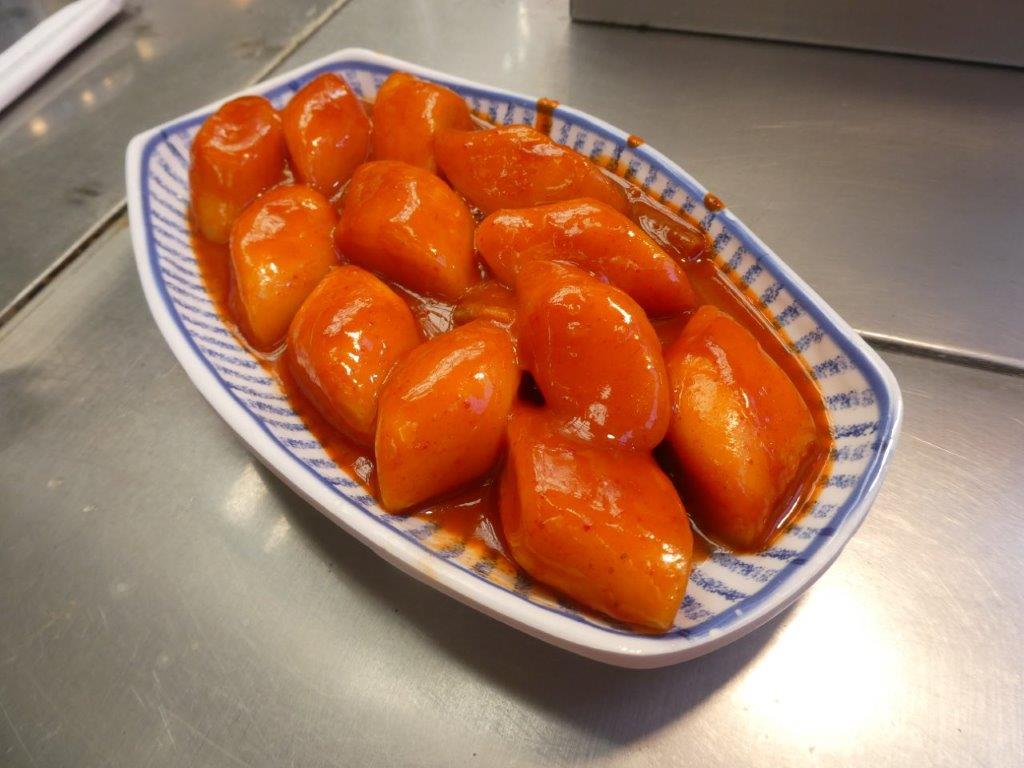
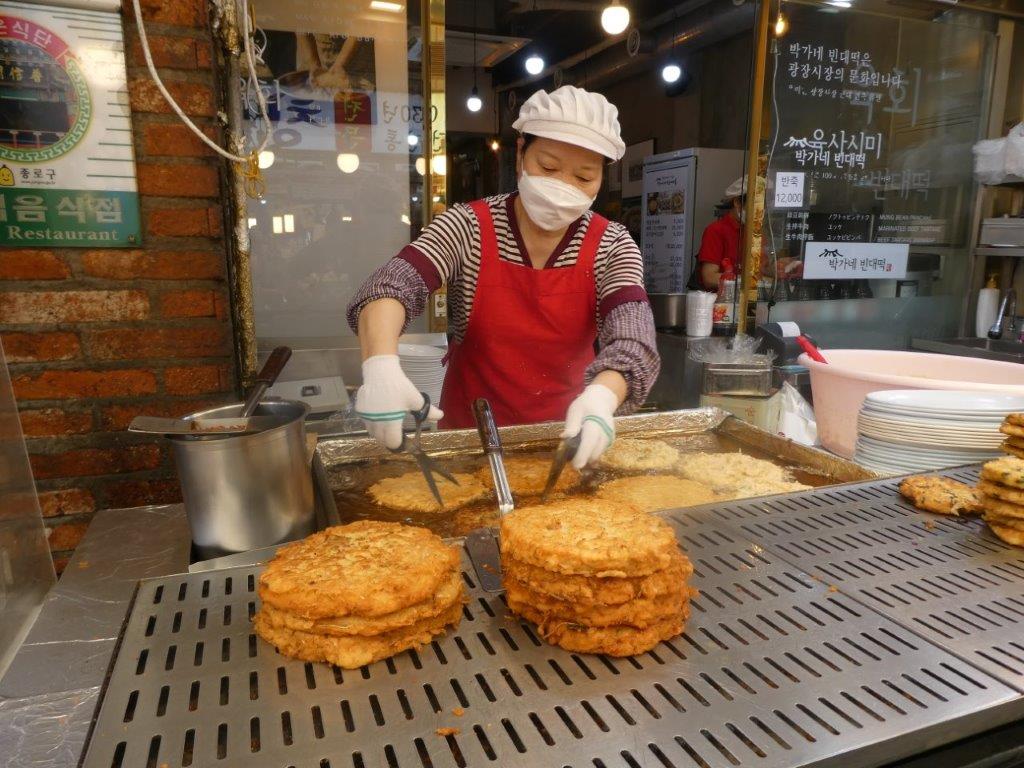
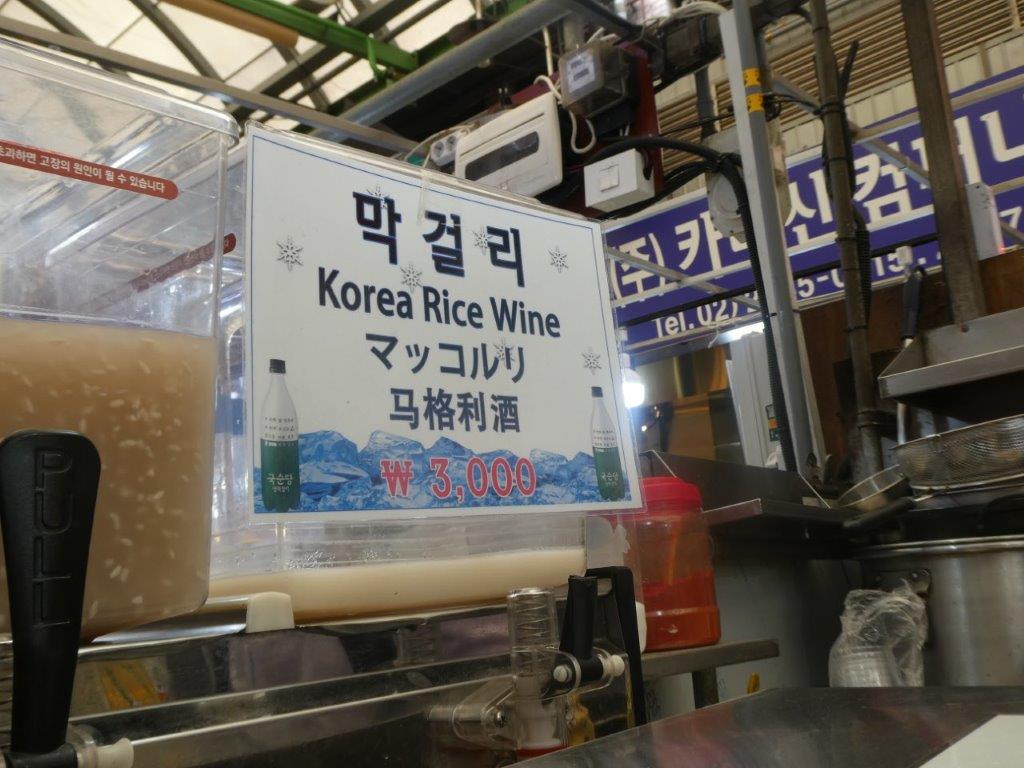
Incredible street food is synonymous with Korean culture. And there is no better place to experience it than Gwangjong Market. Although originally known as a fabric market (which it still is), Gwangjong has become better known for its 200-plus food stalls. Walking in, it’s a real assault on the senses with colour, noise, and smells coming from all directions. We had an excellent lunch there, hopping around different stalls to try a variety of local specialities. That included tteokbokki (spicy rice cakes), nokdu bindaetteok (fried mung bean pancakes) and odeng (fish cakes), which don’t look much like the fish cakes we know in the UK but were delicious in soup. We also couldn’t resist trying Korean rice wine, which tasted a lot better than it looked!
 5. Climb Seoul’s city walls for excellent views
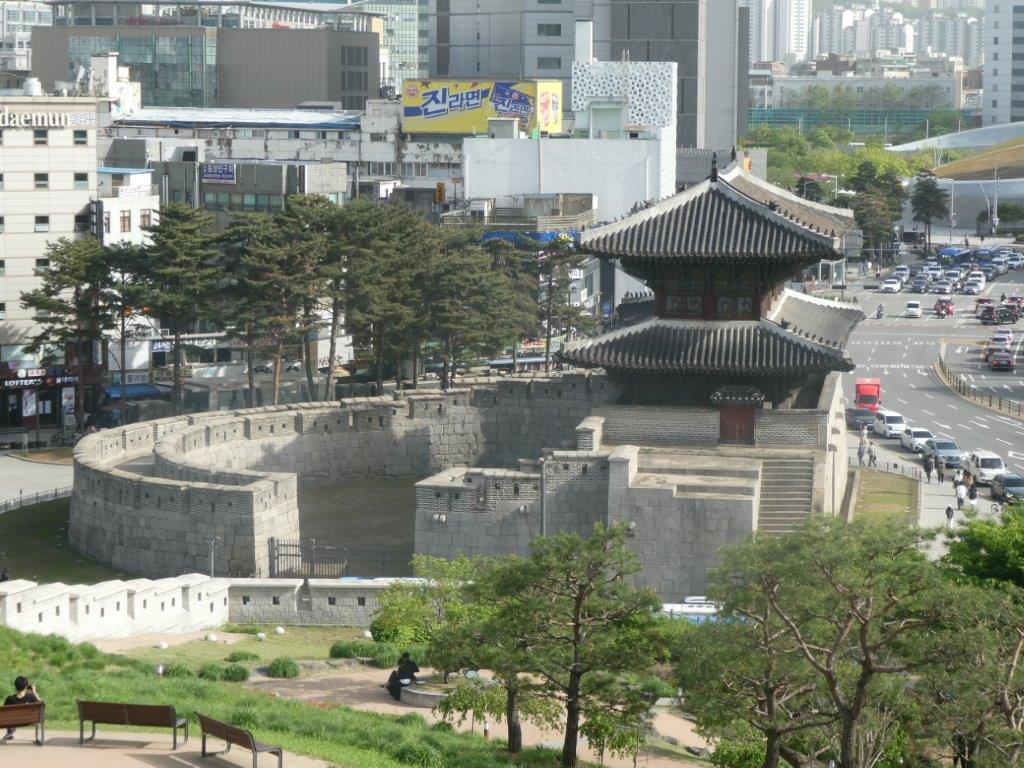
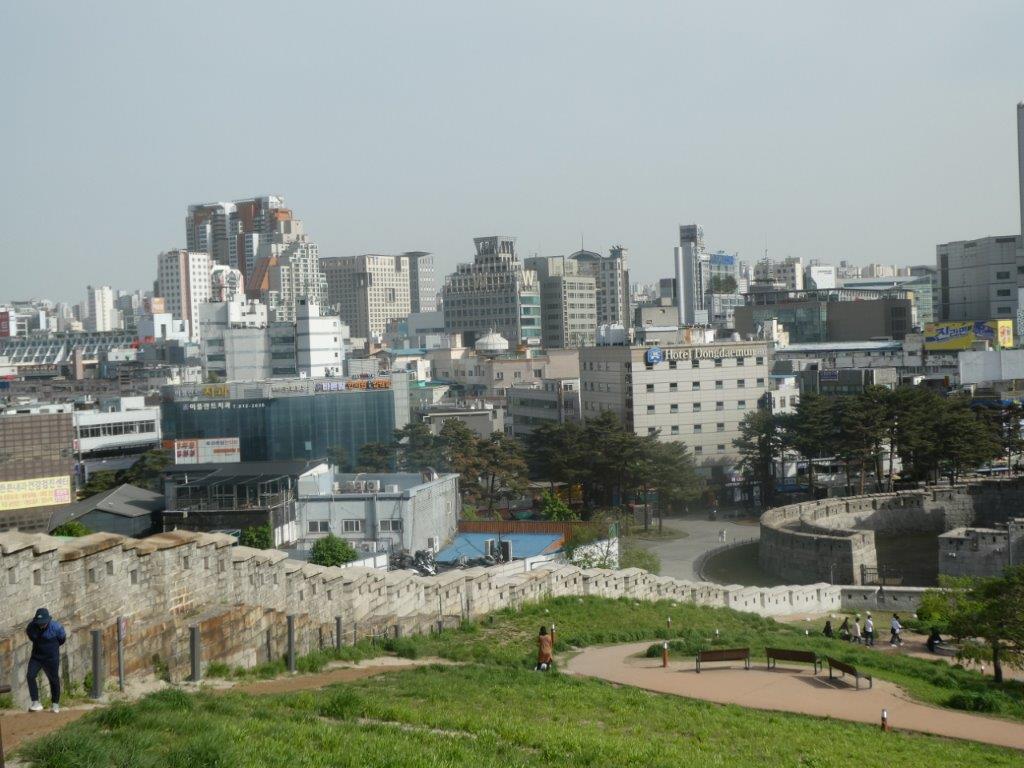
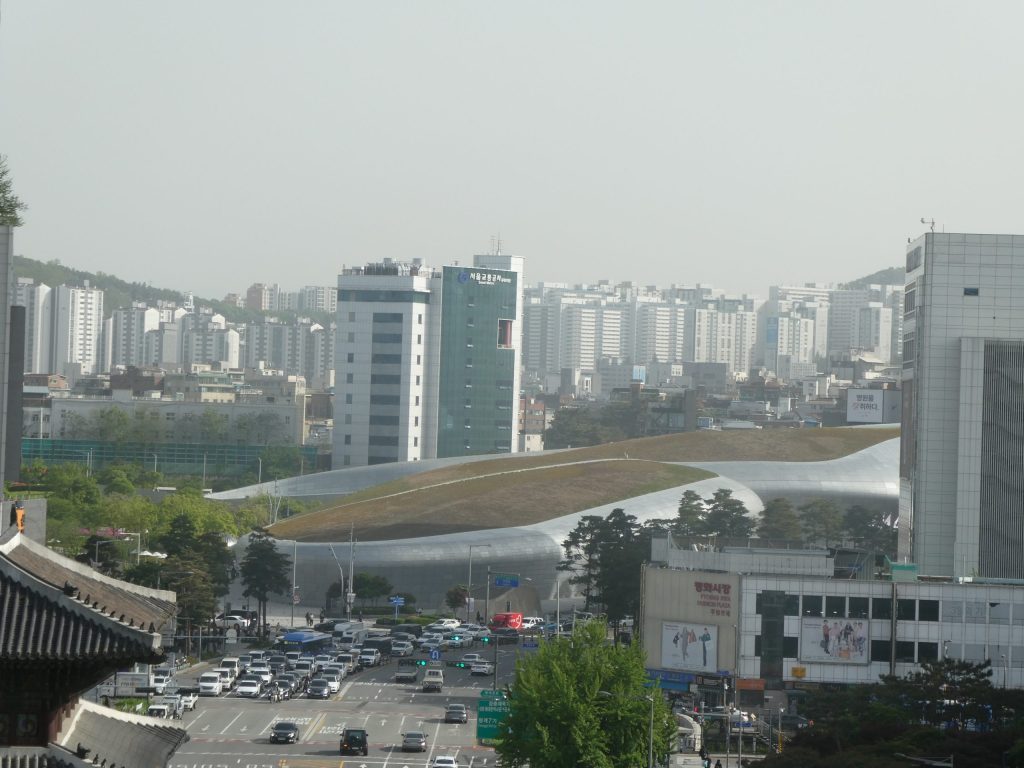
A short walk from the market is Heunginjimun, the Great East Gate of Seoul’s city walls. It has been rebuilt several times and can’t be accessed because it sits in the middle of a busy roundabout (traffic island for non-UK readers). But you can get a great view and photo of it by walking uphill into Dongdaemun Seonggwak Park. This is also where the City Wall Museum is, and a walking trail that follows the city walls. You can also see the Dongdaemun Design Plaza & Park from here. This stunning cultural space is covered in 45,000 aluminium panels and is home to galleries, events and shops.
6. Experience K-shops, street food and entertainment in lively Myeong-dong
Myeong-dong is an area of Seoul not to be missed, but be prepared, it’s pretty full on. Packed with K-beauty and fashion shops, department stores, neon lights and street food stalls, Myeong-dong is a busy place. Shoppers crowd the streets and alleyways to snap up bargains, like Korean face masks, which I thought were excellent value.
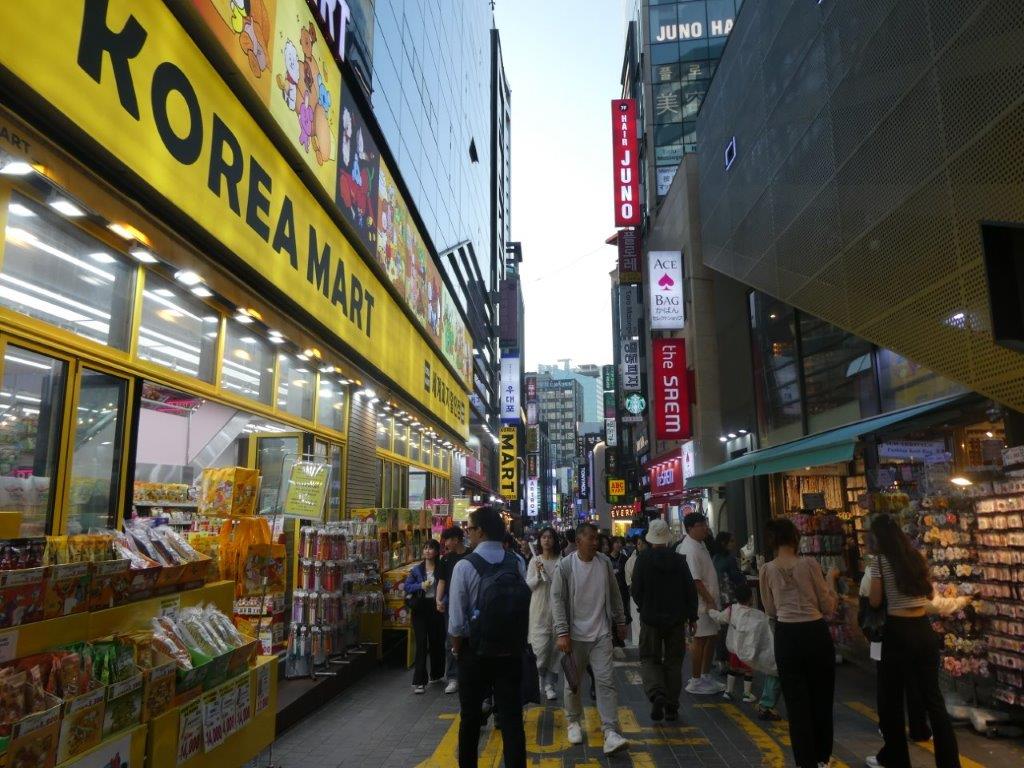
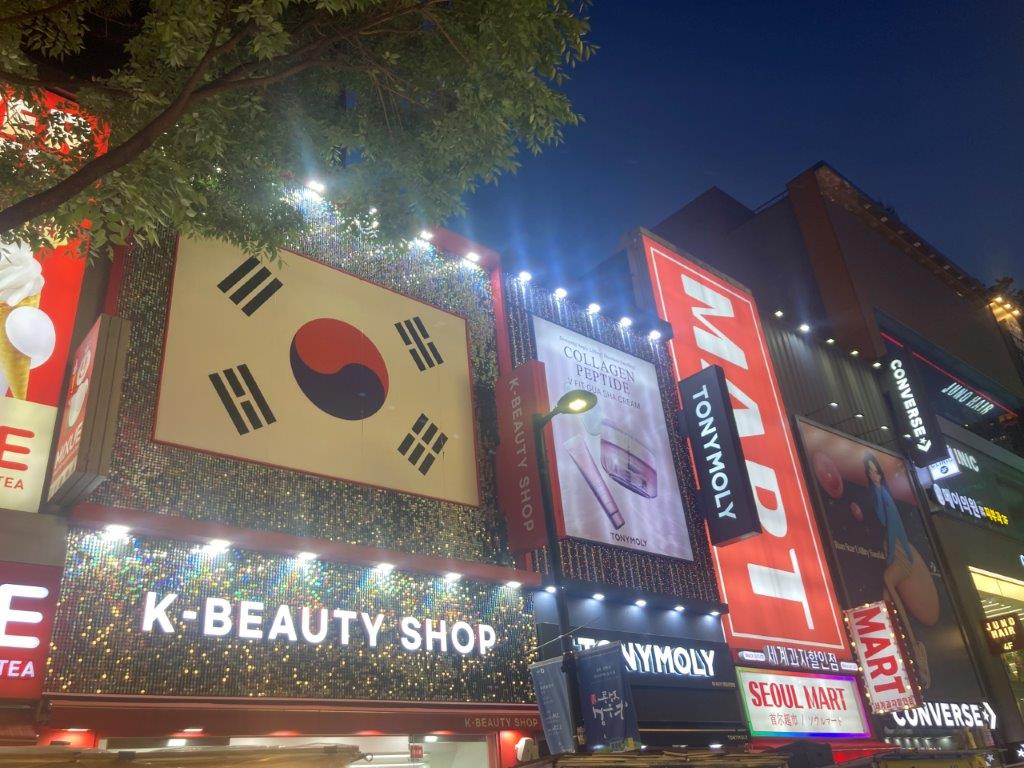
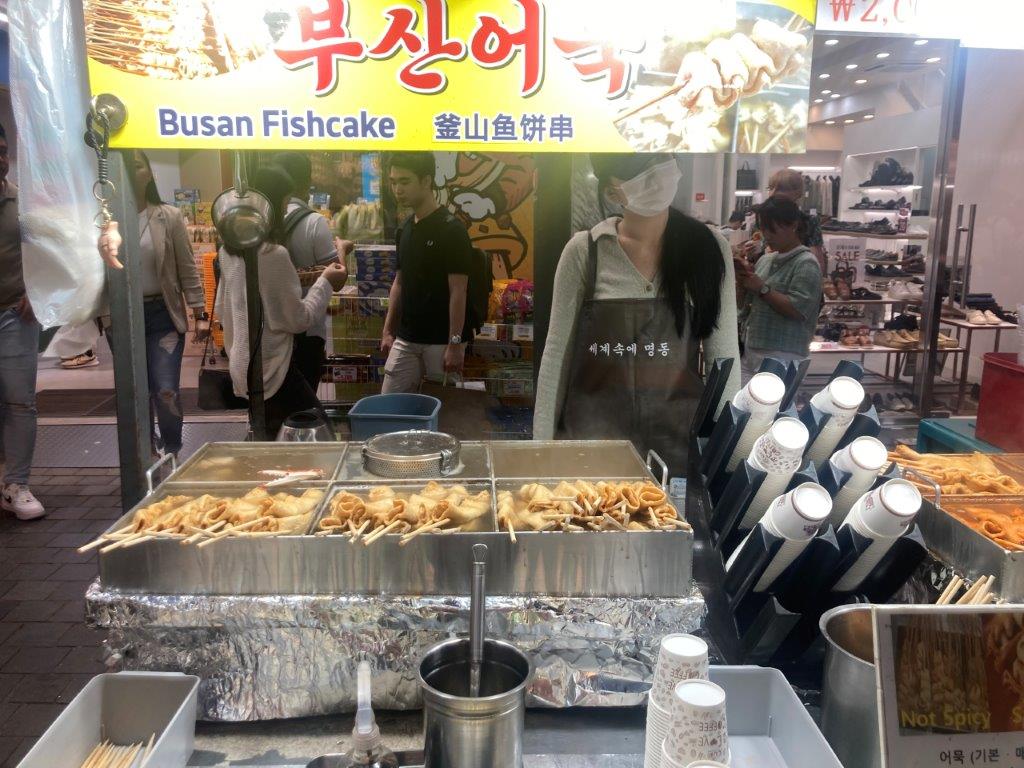
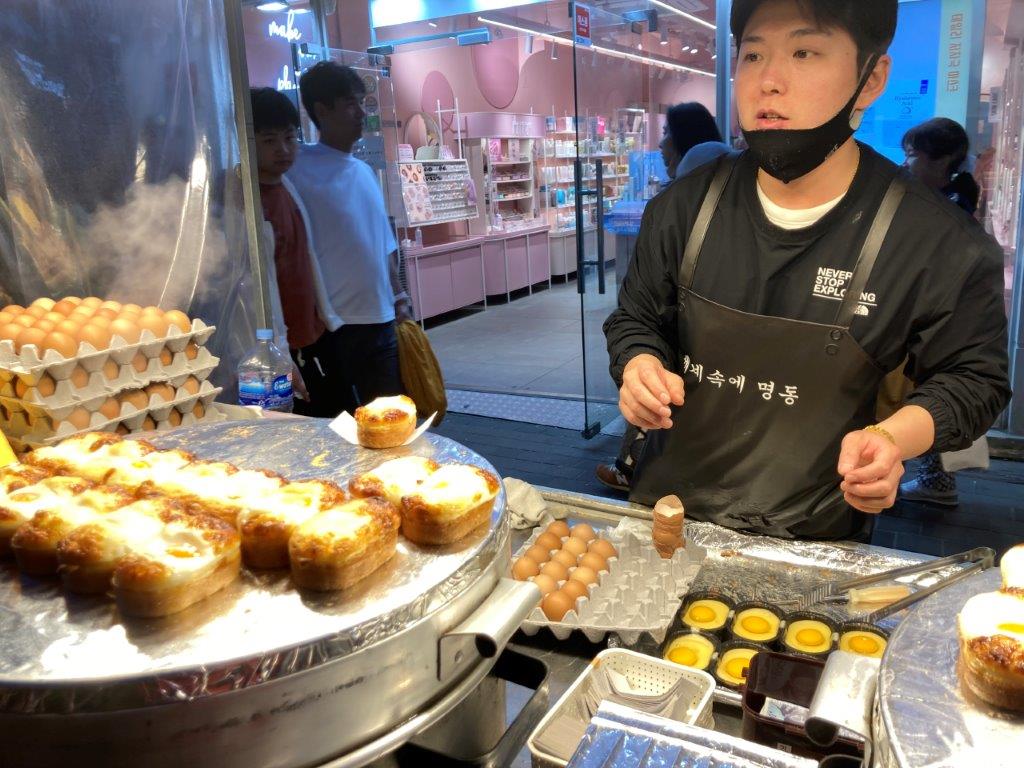
The night market is also great, with a multitude of street food stalls. We had more fishcakes here, but they came on sticks rather than chopped up in soup. And we tried gyeranppang (egg bread), a small, fluffy loaf of bread with a whole egg inside, providing a sweet and savoury taste. Both were very good.
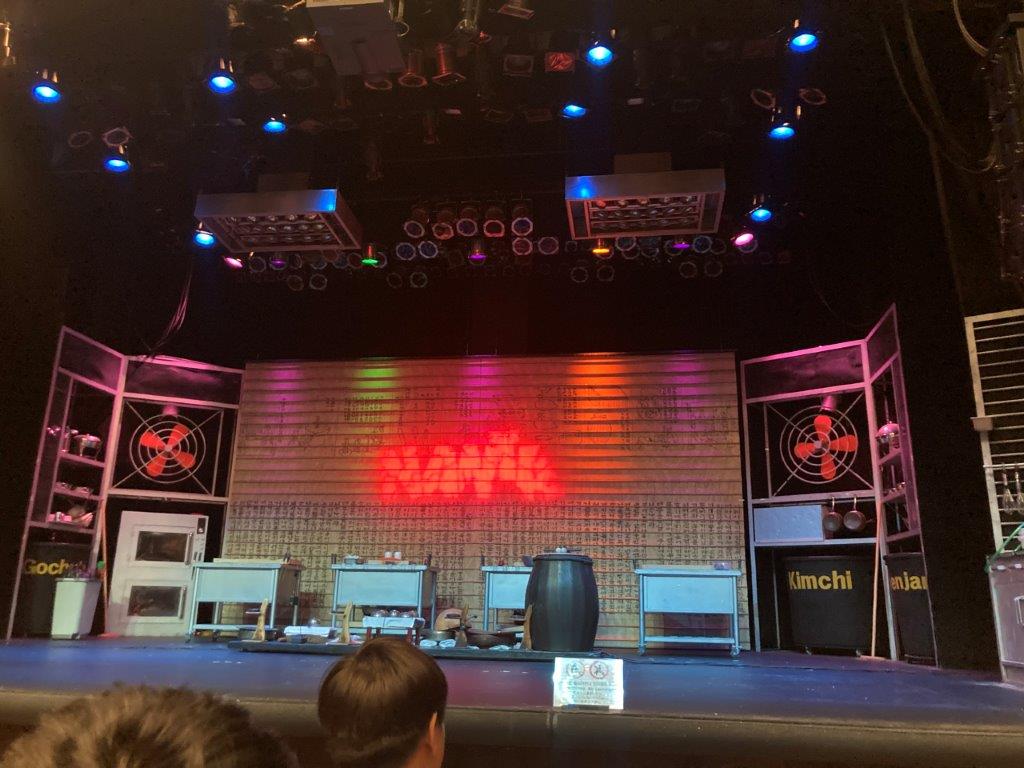
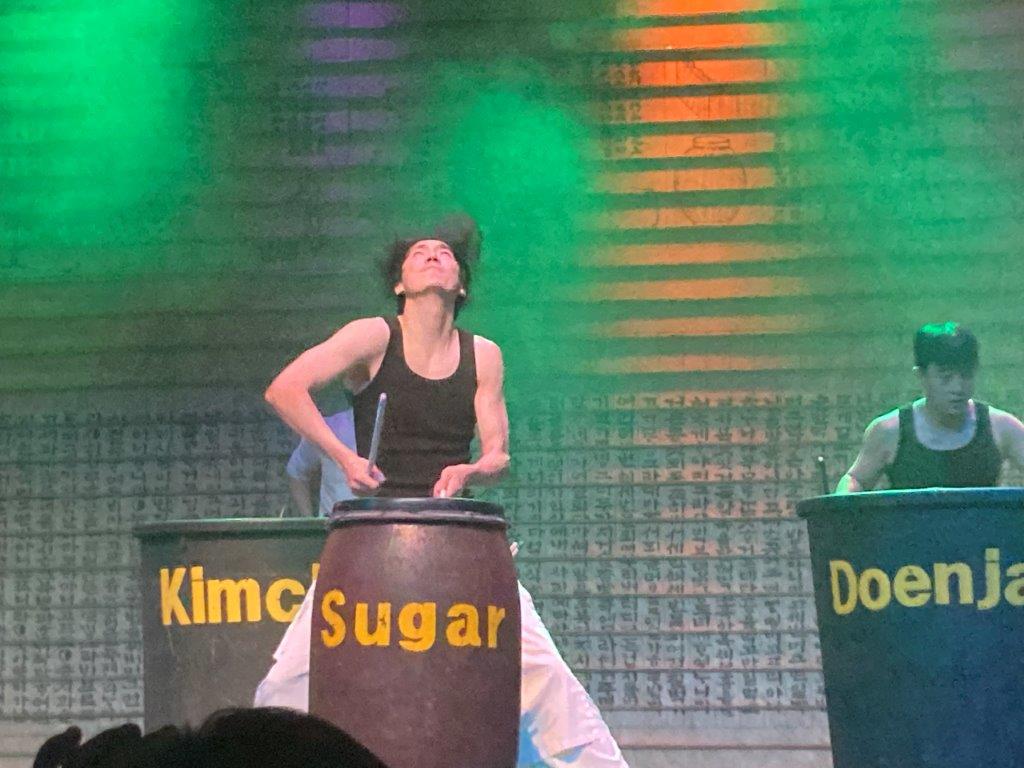
 Also in Myeong-dong is the Nanta Theatre, South Korea’s most successful non-verbal show. As regular theatregoers, we were intrigued to see it as we hadn’t come across a non-verbal show before. And it really is something. Set in a kitchen, the show combines comedy, martial arts, dance, magic and drumming – with kitchen utensils! It’s non-stop and very entertaining. In theory, you can book online, but we couldn’t manage it. So we went along to the Box Office, which opens an hour before the show. Then went back outside to enjoy some street food before the performance.
 7. Explore the pretty streets of Insa-dong
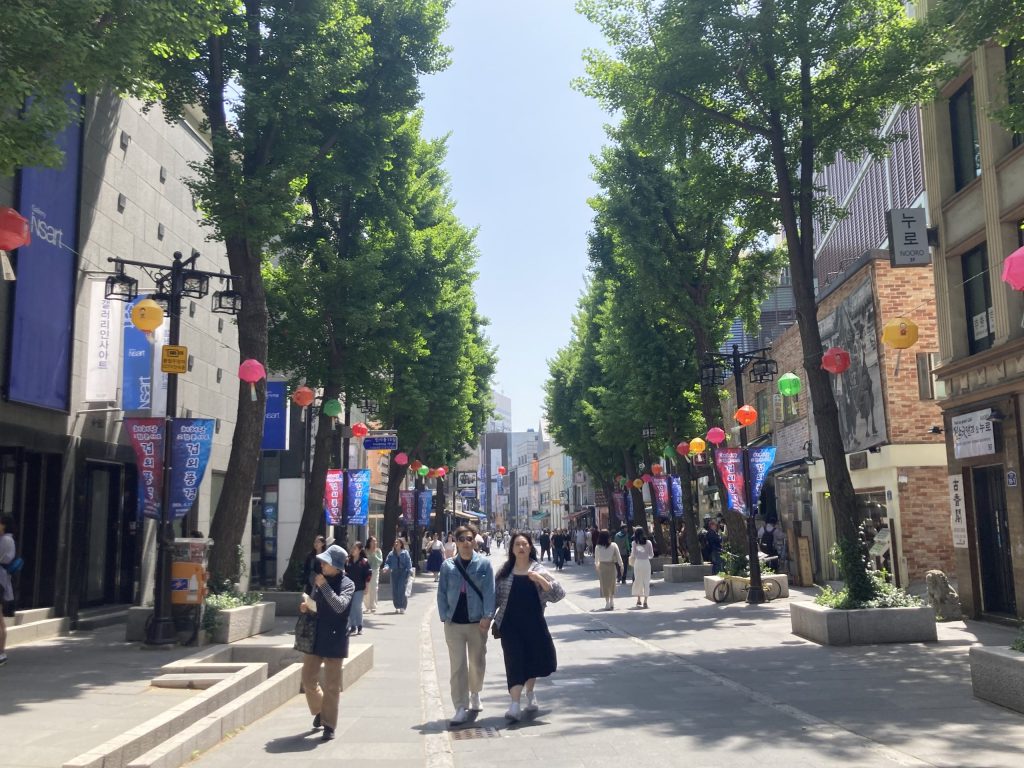
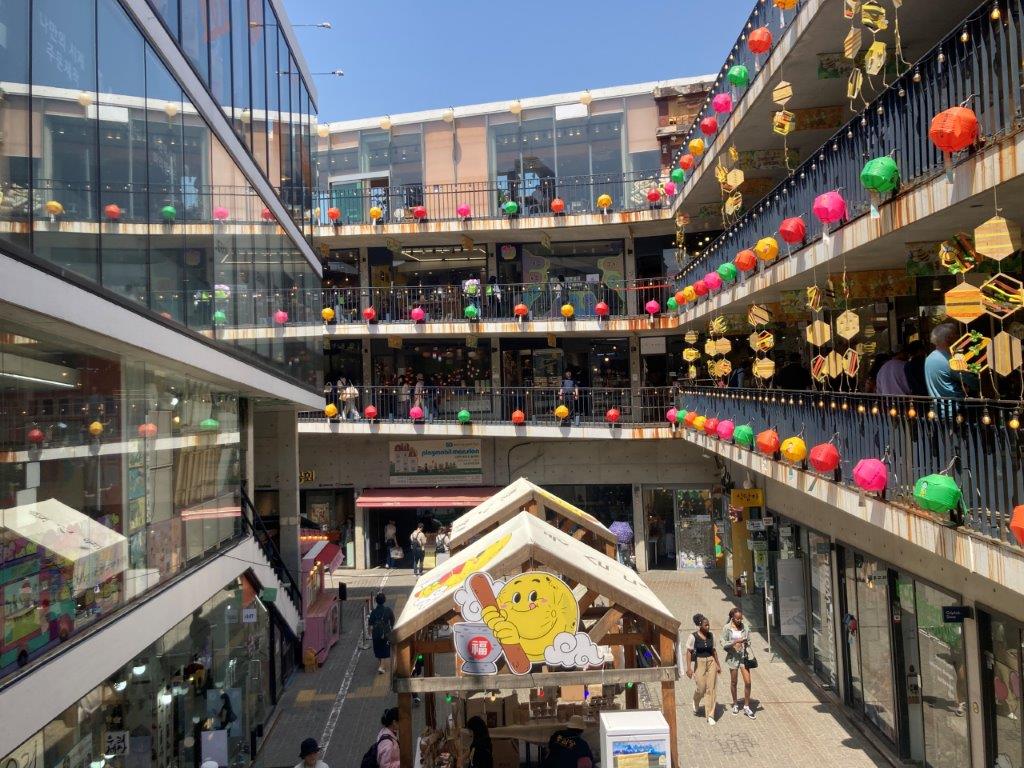
Insa-dong is an area close to the centre of Seoul that offers a welcome escape from some of its livelier areas like Myeong-dong. It’s an arty district, so the main, pedestrian-friendly street (Insadong-gil) is lined with galleries, teahouses, restaurants and antique shops. You’ll also find the pretty Ssamziegil shopping centre, which has four levels around a central courtyard. And as well as shops, it offers opportunities for crafting, such as pottery painting.
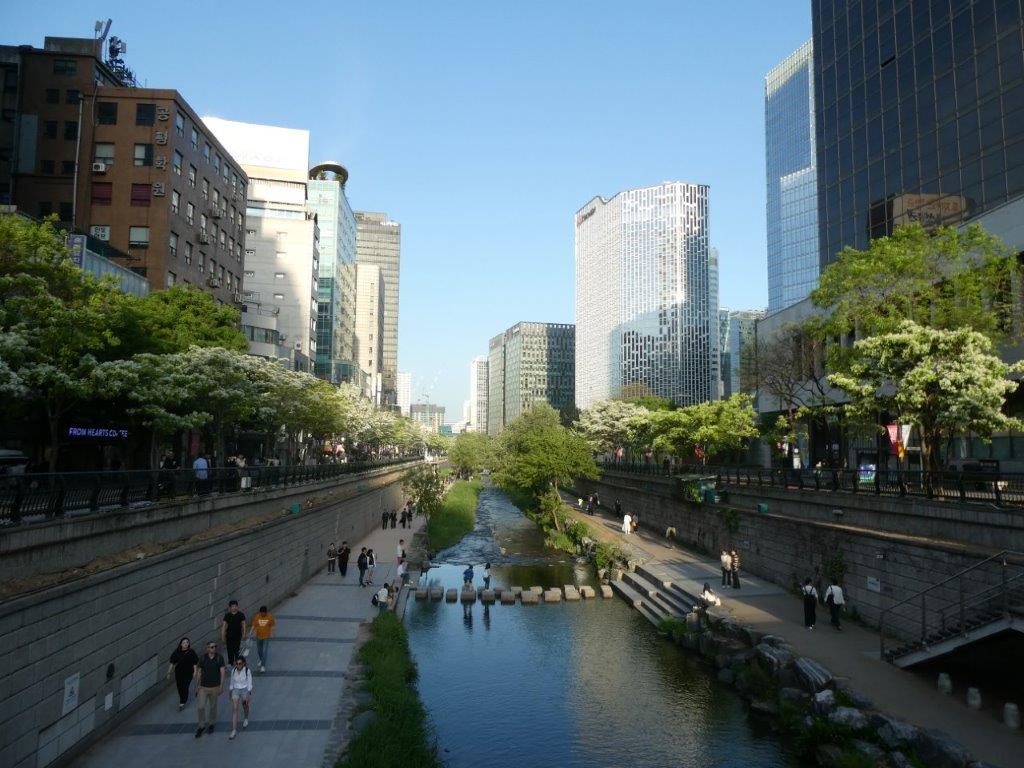
 Also close by is access to Cheong-gye-cheon. A raised highway was demolished to reconstruct this riverside park around a stream that had been buried for years. Again, it provides a welcome opportunity to escape the busy city streets for a quieter riverside walk.
 8. Enjoy great food and drinks in Itaewon
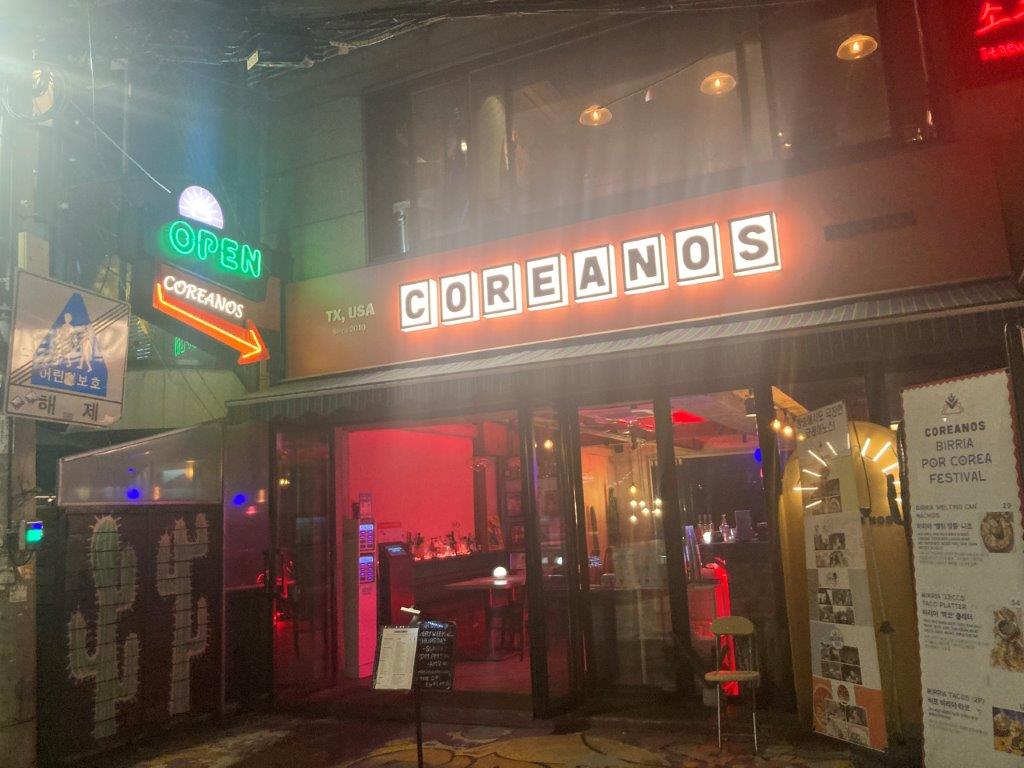
Seoul was quite a tricky city when it came to deciding where to stay. It’s a big place, and there are many options. My friend and I decided on Itaewon as it’s known for great restaurants and bars. It’s also a more international area, so more people speak English, and there is more variety of food. This was evident on our first night, when we went to Coreanos for Korean/Tex-Mex fusion. Not a cuisine combination we even knew existed, but it was great. As was Dresser, a nearby speakeasy-style bar where we had drinks after dinner.
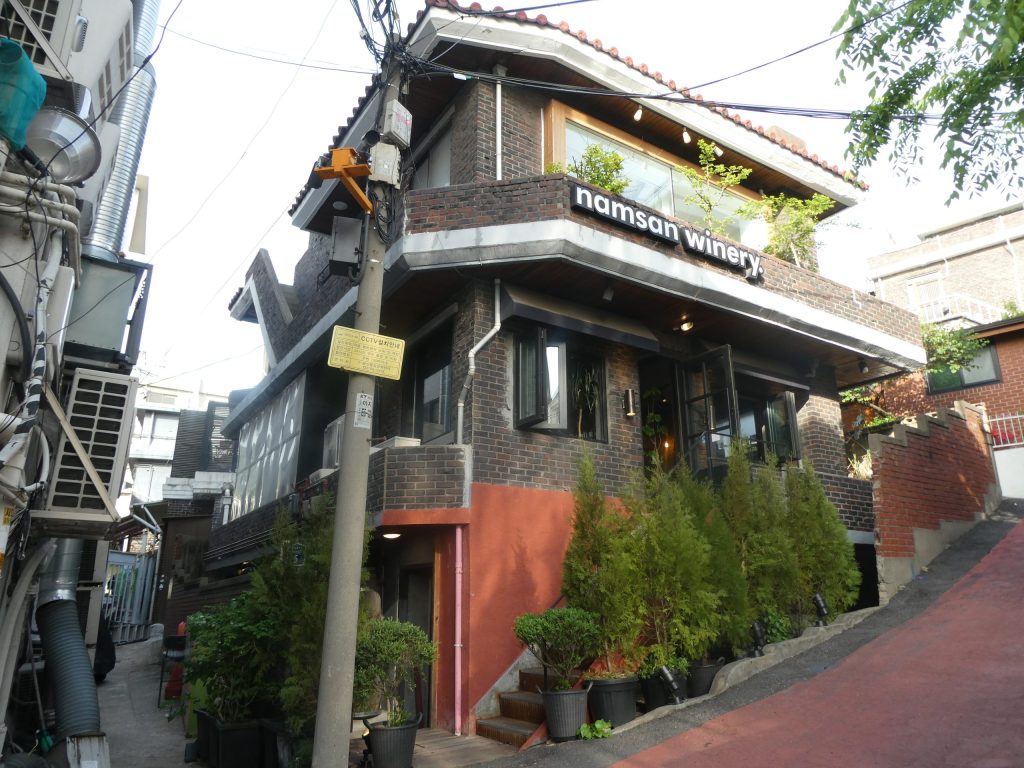
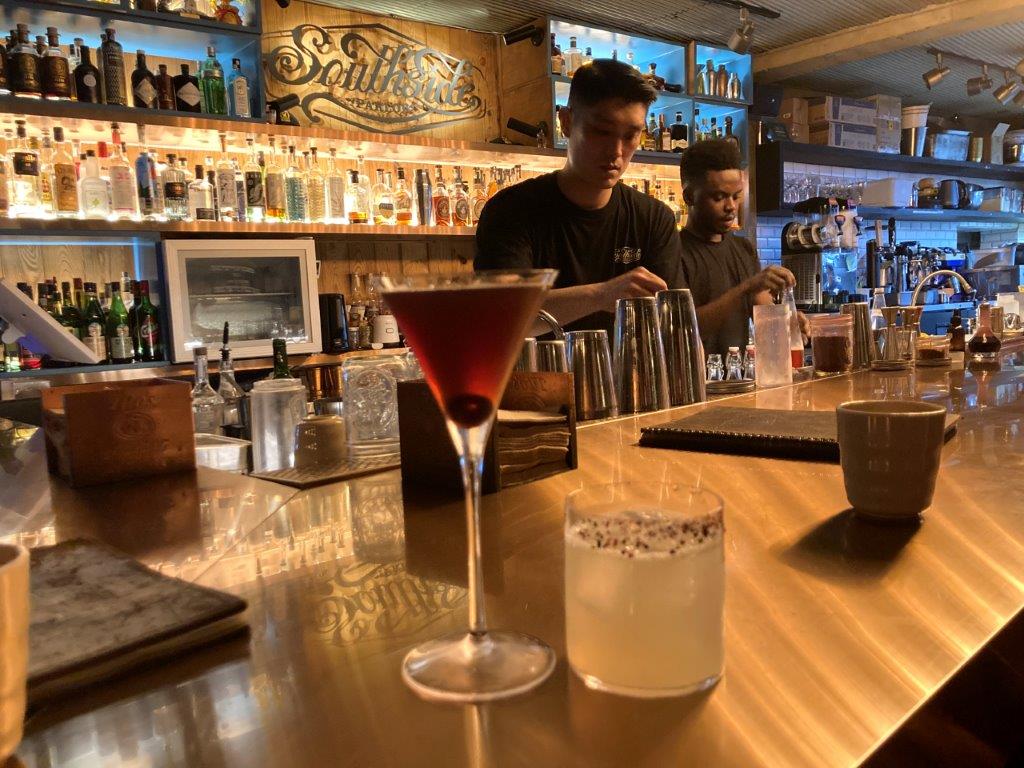
 Another excellent international option is Namsan Winery, a Portuguese restaurant in the Upper Itaewon area. It’s an uphill walk, so we got an Uber from our hotel, the Imperial Palace. But then walked down to nearby Southside Parlour, where the cocktails and atmosphere are great.
There are also plenty of places to have breakfast and lunch in Itaewon, as well as shops and K-pop clubs. But although it has a lot to offer, it was still a fair distance from most of the places we wanted to visit. So I think on balance we would stay in Insa-dong on a future visit to cut down on the travel time.
A couple of learnings
So that’s some of the experiences that await you in Seoul, but as I said at the start, there is lots more we didn’t have time for with only two full days to explore. It also took us a while to work some things out before we could really get going. So I’ll finish off with a couple of learnings that I thought would be helpful to share.
Finding your way around. We used Google Maps extensively in Japan, but once in Seoul, we realised functionality is limited. You can search for places and look at reviews, but you only get directions using public transport, not for walking or driving. We found the Naver app was best for directions.
Phoning home. If you need to call home or call the UK mobile of someone you are travelling with, you need to use the access code for the network you’re connected to. For example, for SK Telecom, the access code is 002, so you dial that before the UK code 44. I assume this also applies to calling mobiles from other countries. But Google is likely the best place to find the information.
I suspect there were other learnings that I’ve forgotten, so I’ll update this post if more occur. But in the meantime, I’ll just say that Seoul was sensational, so I’d highly recommend it, and I definitely plan to visit again.
Discover more from TRAVEL COCKTAIL
Subscribe to get the latest posts sent to your email.