Kraków may be Poland’s second largest city, but it’s the country’s number one destination and for good reason. It offers a fascinating mix of history, interesting sights and fabulous dining and drinking options, as well as providing access to Poland’s most sobering site, Auschwitz-Birkenau. I’ll cover the latter in a separate post, but here are 10 ways to experience the best of what Kraków has to offer.
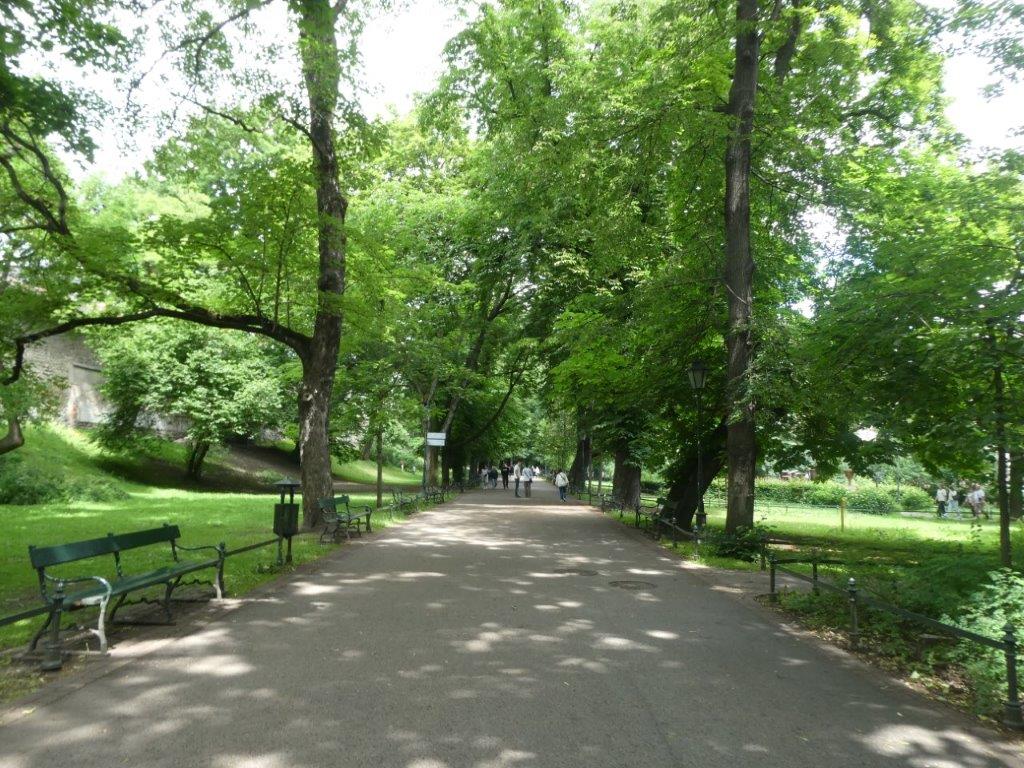
1. Start with a walk around Planty Park
My friends and I rented an excellent Airbnb apartment in Jozefa Dieta, a street that is on the edge of the Kazimierz district and within walking distance of the old town. Heading that way on our first morning took us to the foot of Wawel Castle, where there is an entrance to Planty Park. This is a gorgeous green space that encircles the old town. The park is made up of eight separate gardens that merge to create a circular walking route lined with hundreds of benches. It was an unexpected and really lovely way to start our day of exploring.
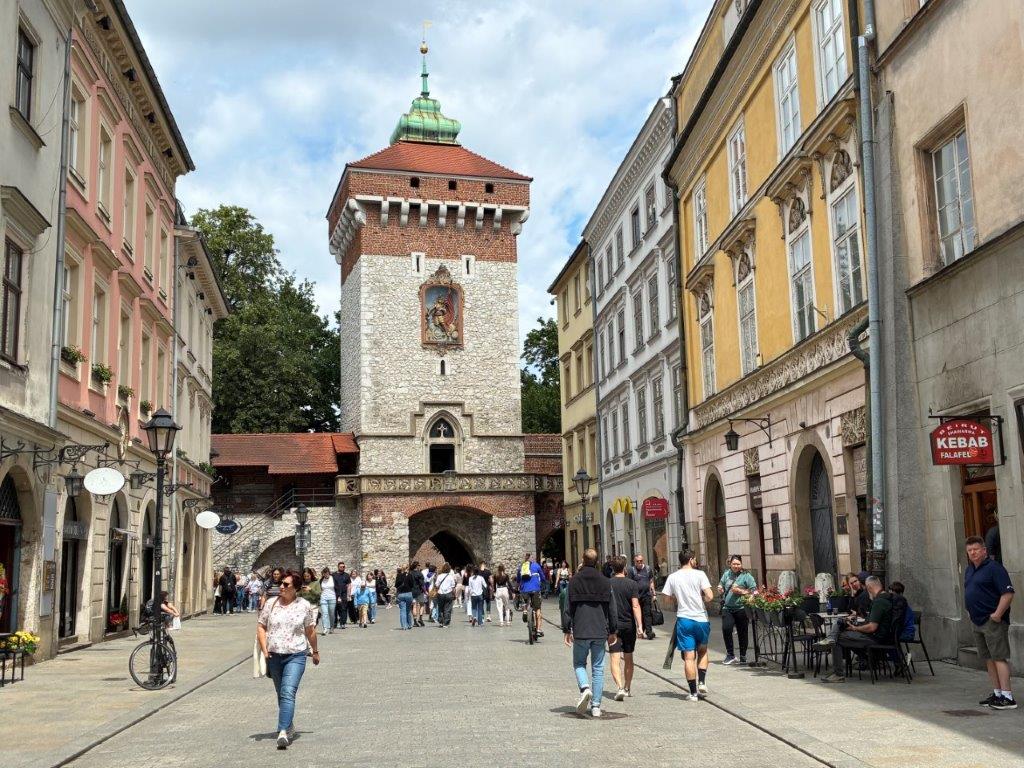
 There are plenty of roads leading off Planty Park where you can head into the old town. We went almost to the top to visit St Florian’s Gate, a 14th-century Gothic tower that was part of Kraków’s city walls. It was also the starting point of the Royal Route, which saw coronations and other parades leave there and head down Florianska towards the main square. Unsurprisingly, the street is now lined with shops and restaurants.
 2. Marvel at Europe’s largest public square
Kraków’s main square, Rynek Główny, is quite something. It’s the largest medieval square in Europe, surrounded by beautiful townhouses and with the stunning Cloth Hall at its centre. The huge building was once a major trade centre where merchants met to discuss business. But today the inside is filled with rather tacky souvenir stalls!
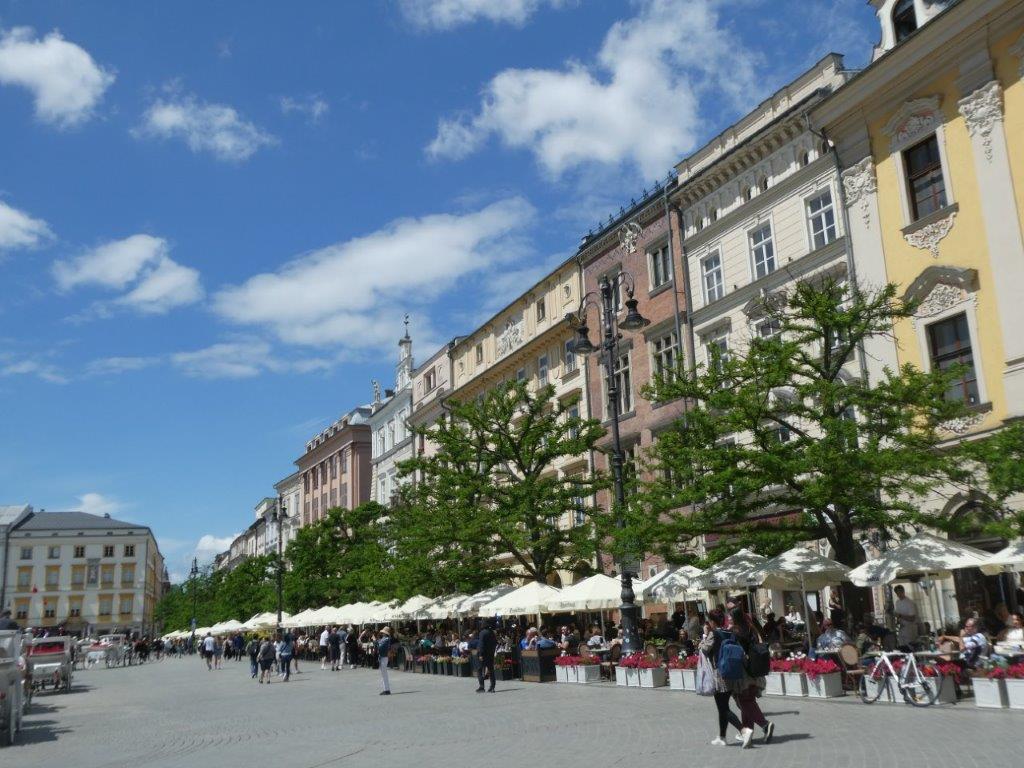
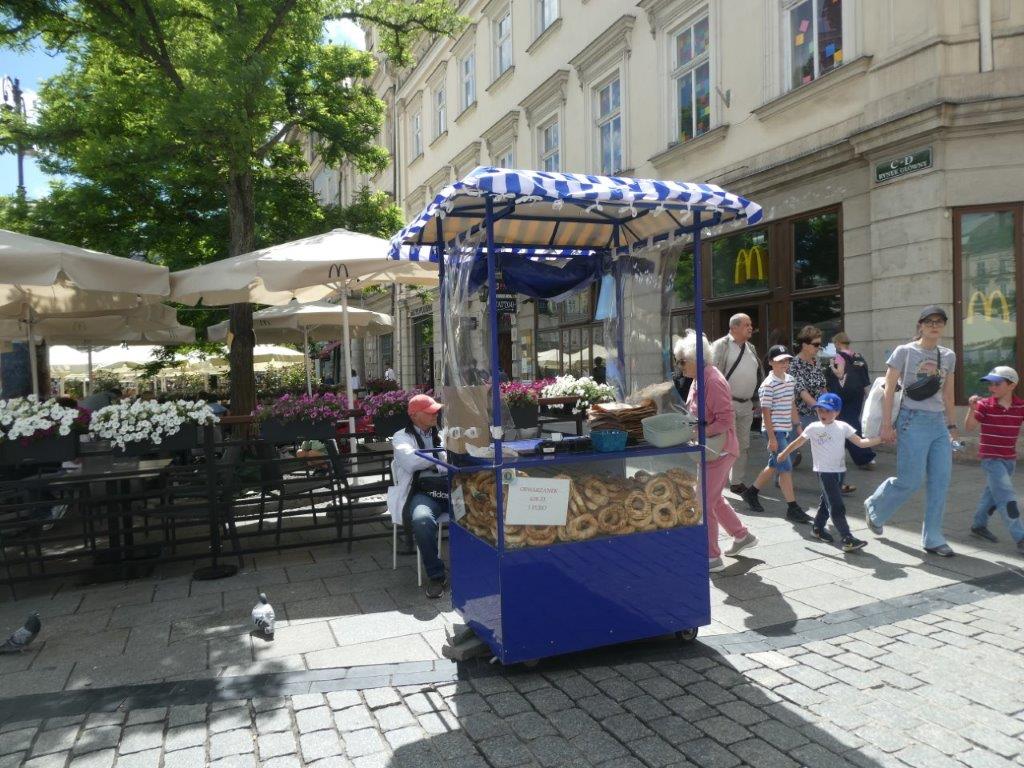
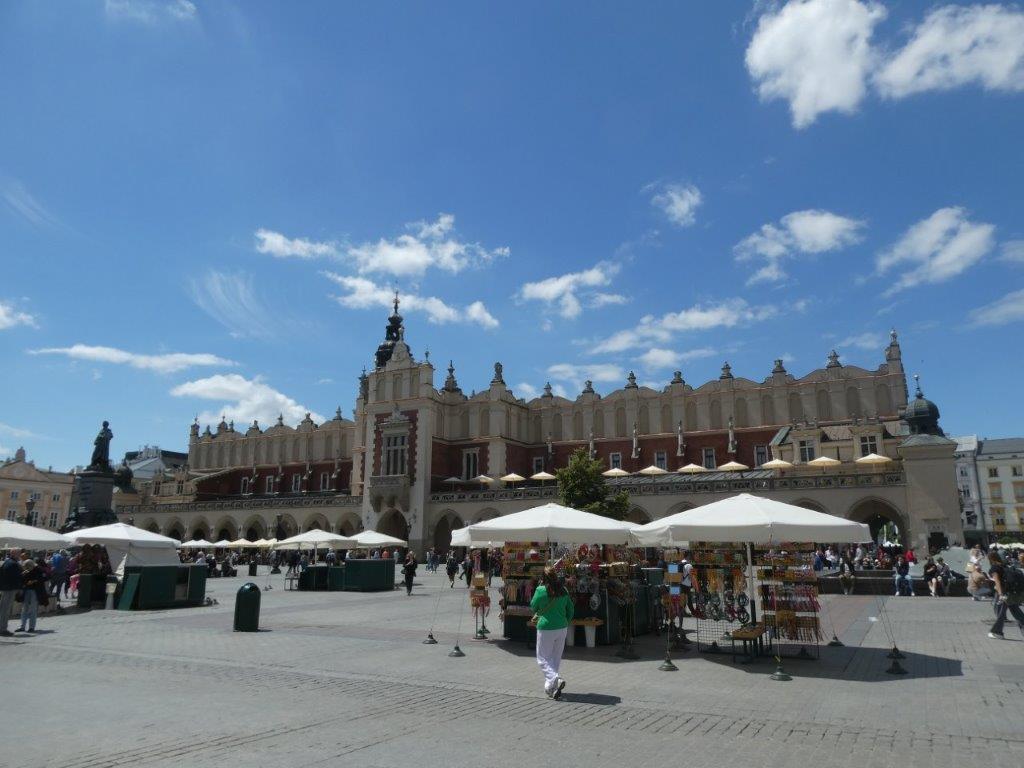 Also in the square is the Town Hall Tower without a town hall, various monuments and multiple blue street food carts selling obwarzanek. This is Poland’s answer to a pretzel: a braided, ring-shaped twisted dough that is briefly boiled in hot water before being baked and sprinkled with salt, sesame seeds, or poppy seeds. Very cheap, tasty and filling. I’d also recommend visiting Rynek Główny as the sun is going down, as the colours on the buildings are gorgeous.

3. Visit St Mary’s Basilica in time for the bugle call
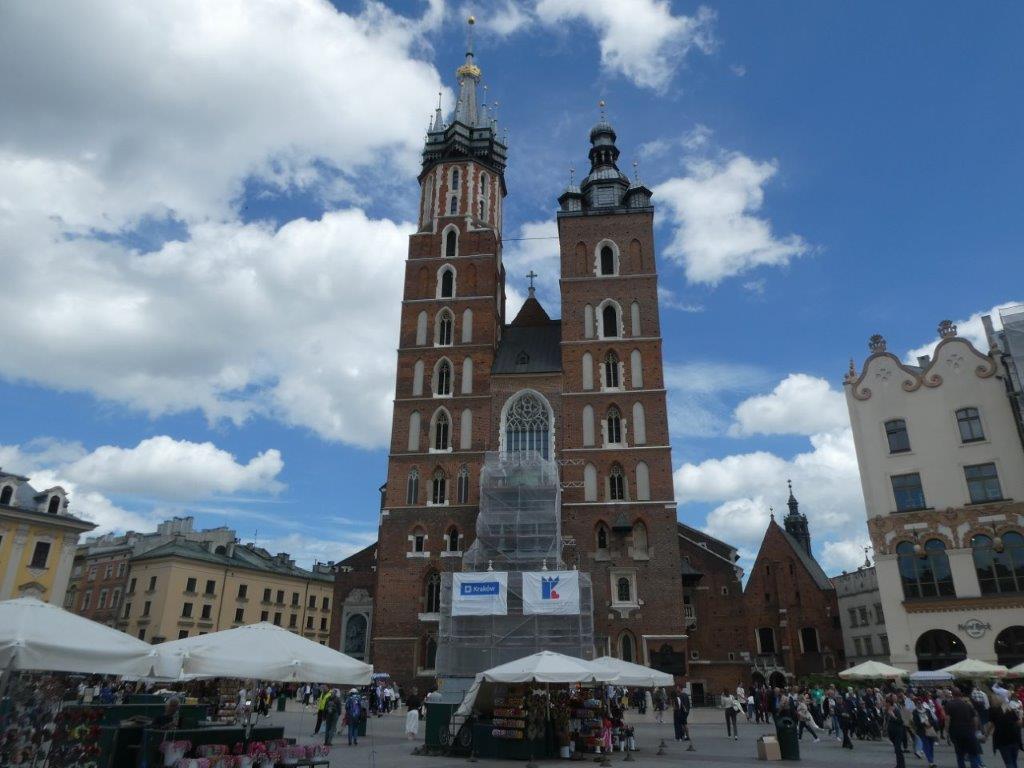
There is a raft of churches in Kraków, but St Mary’s Basilica in Rynek Główny is the one you shouldn’t miss. We arrived in time for the bugle call, which takes place on the hour every hour and is when a trumpeter plays from the tallest of the church’s two towers. It’s a tribute to a trumpeter who was killed in medieval times while sounding the alarm that Kraków was under attack. The best place to see the trumpeter is from Plac Mariacki, to the right of the church. Once he’s played, don’t miss going inside the church to see its stunning interior. The gilded altarpiece features the Assumption of the Virgin surrounded by the Apostles and Poland’s patron saints.
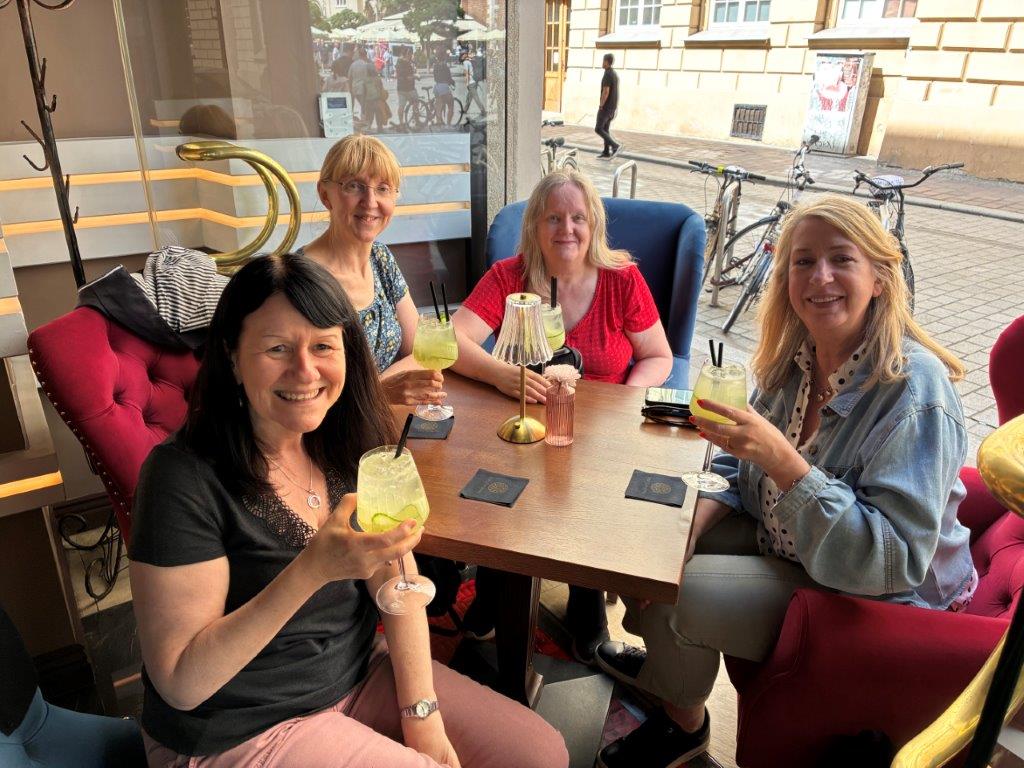
 After our time in and around the main square, we were in need of some refreshment. Fortunately there are plenty of cafes and restaurants to choose from, and our spritzers at Czeczotka Bar were the perfect pick-me-up
 4. Check out Copernicus’s university courtyard
We were headed to Wawel Royal Castle next, but on the way we popped into Collegium Maius, Poland’s oldest surviving university building. It has a gorgeous 15th-century courtyard and its best-known student was the astronomer Nicolaus Copernicus. It’s also possible to visit inside the university, but it’s best to book in advance.

5. Conquer the castle and see its fire-breathing dragon
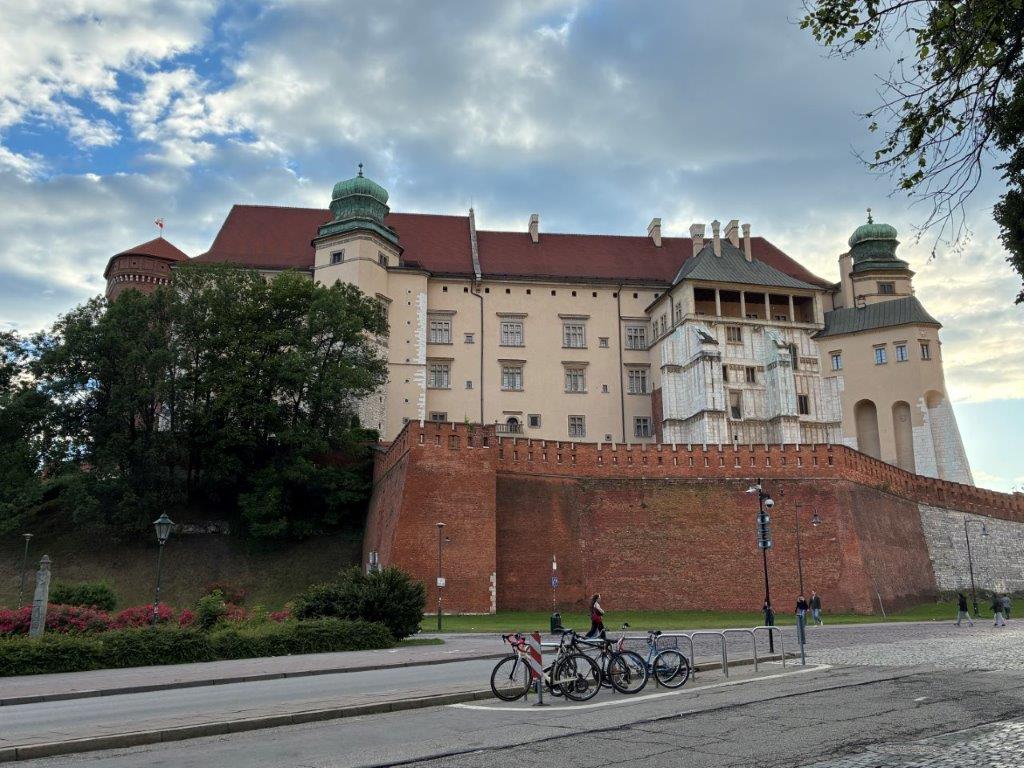
Wawel Royal Castle is hard to miss in Kraków as it sits elevated on a hill of the same name. The fortified residence was built by King Casimir III the Great in the 14th century and features state rooms, royal apartments and a treasury. The castle is also part of a larger complex of buildings including Wawel Cathedral, a seminary and an old hospital.
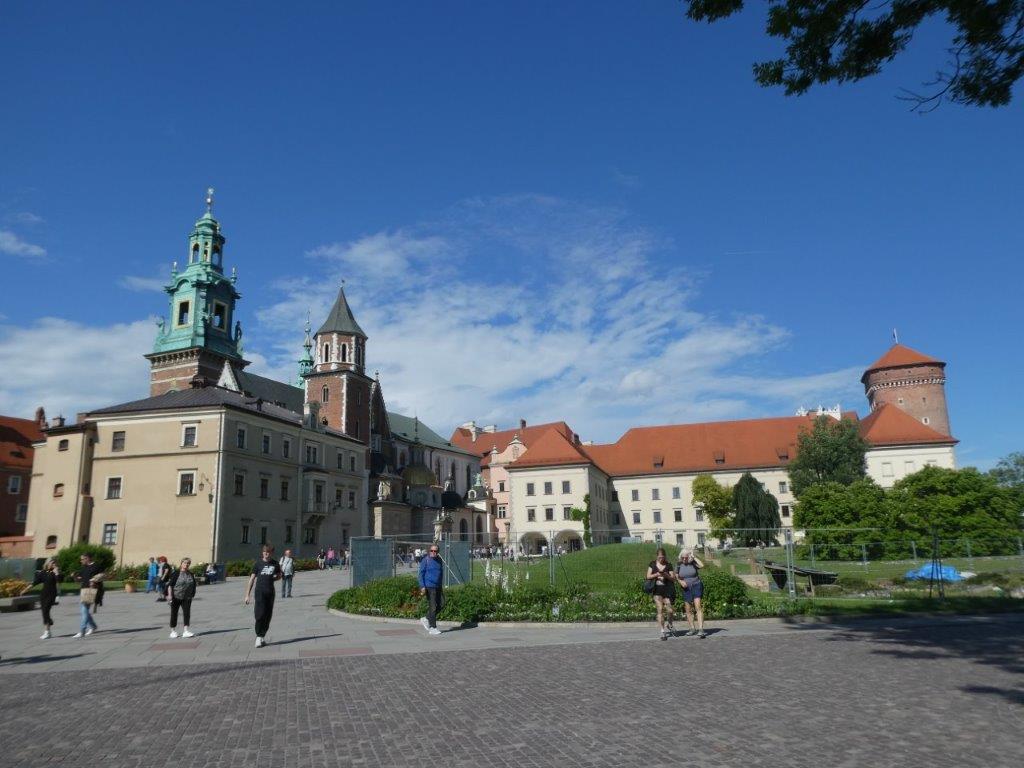 You can also visit the Dragon’s Den limestone cave that was said to be home to the Wawel Dragon. One of the legends claims that the dragon liked to eat sheep and virgins, so the king offered his daughter’s hand in marriage to whoever slayed the dragon. Eventually, a cobbler named Krak tricked the dragon into eating a sulphur-filled sheep and the city was named after its new king. But there are other versions of the story too! Once you’ve visited the cave, don’t miss the statue of the dragon outside, which breathes fire roughly every five minutes.

 6. Stroll alongside the Vistula River
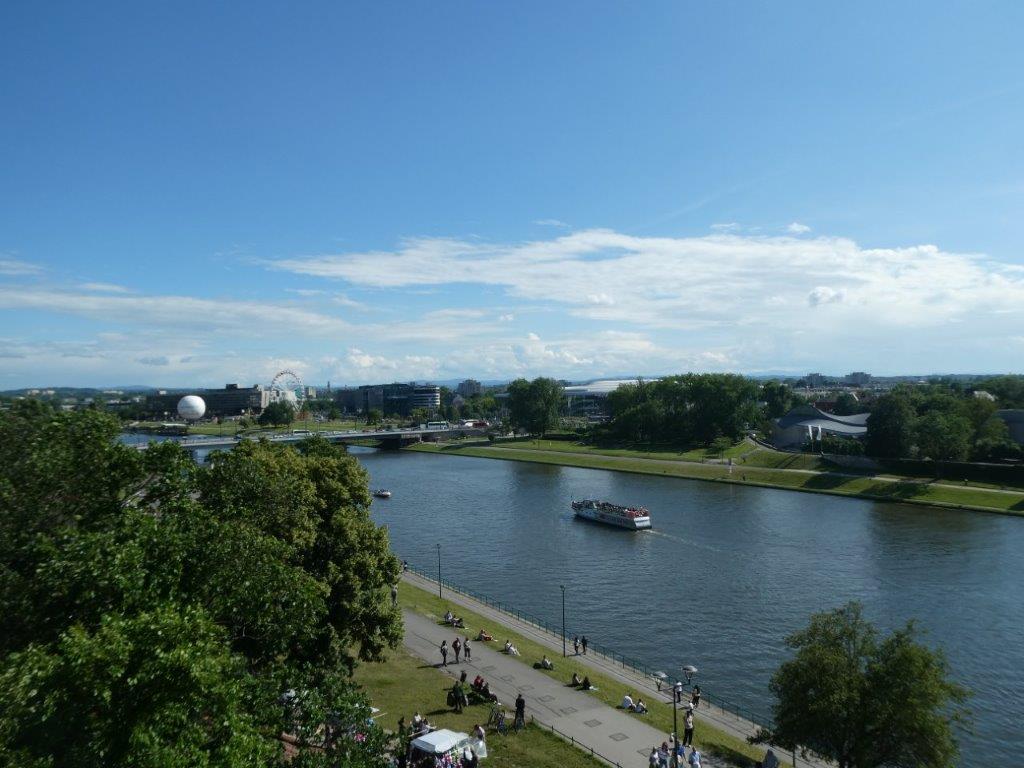
Below the castle is the Vistula River, which is a nice spot for a riverside stroll, picnic, or maybe a drink on a boat. We hopped on board Barka Arkadia, which served up decent wine and great views.


 7. Go underground at Wieliczka Salt Mine
Around 14km from Kraków is one of Poland’s most visited attractions, the historic Wieliczka Salt Mine. Salt deposits were first discovered there as long ago as the 13th century, and the mine has been recognised as a UNESCO World Heritage Site. Led by a tour guide, you go down many steps to a depth of 135m and walk along 3.5km of tunnels to explore the mine’s highlights. These include statues carved from salt and an incredible chamber with huge chandeliers, also made from salt.
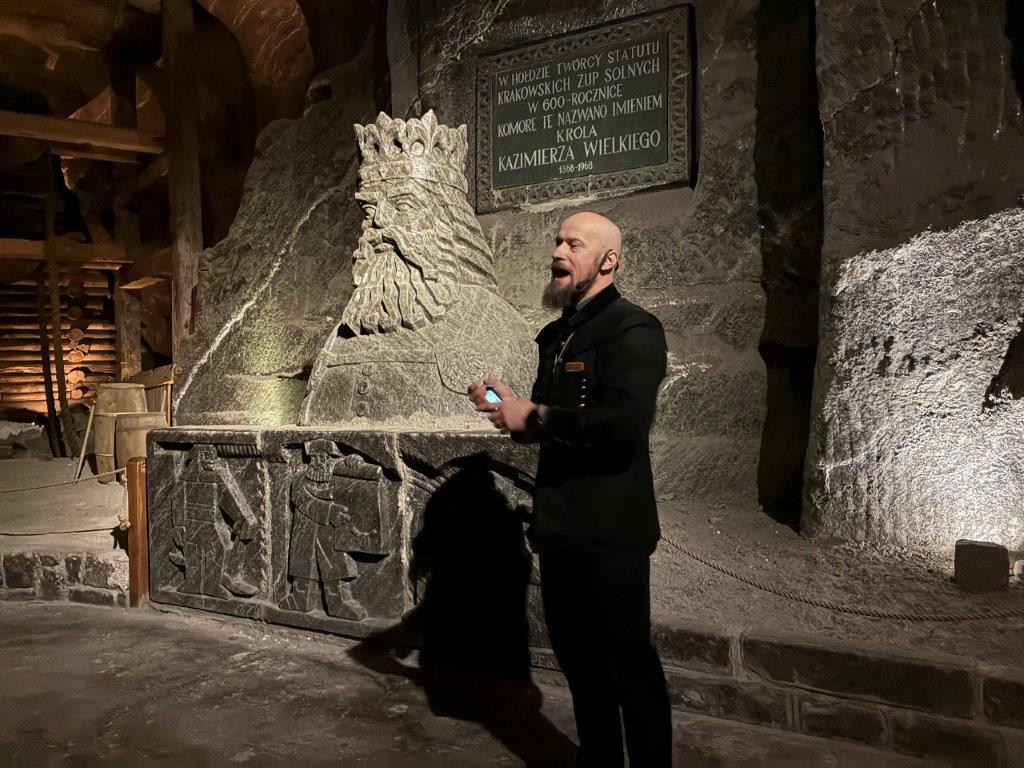
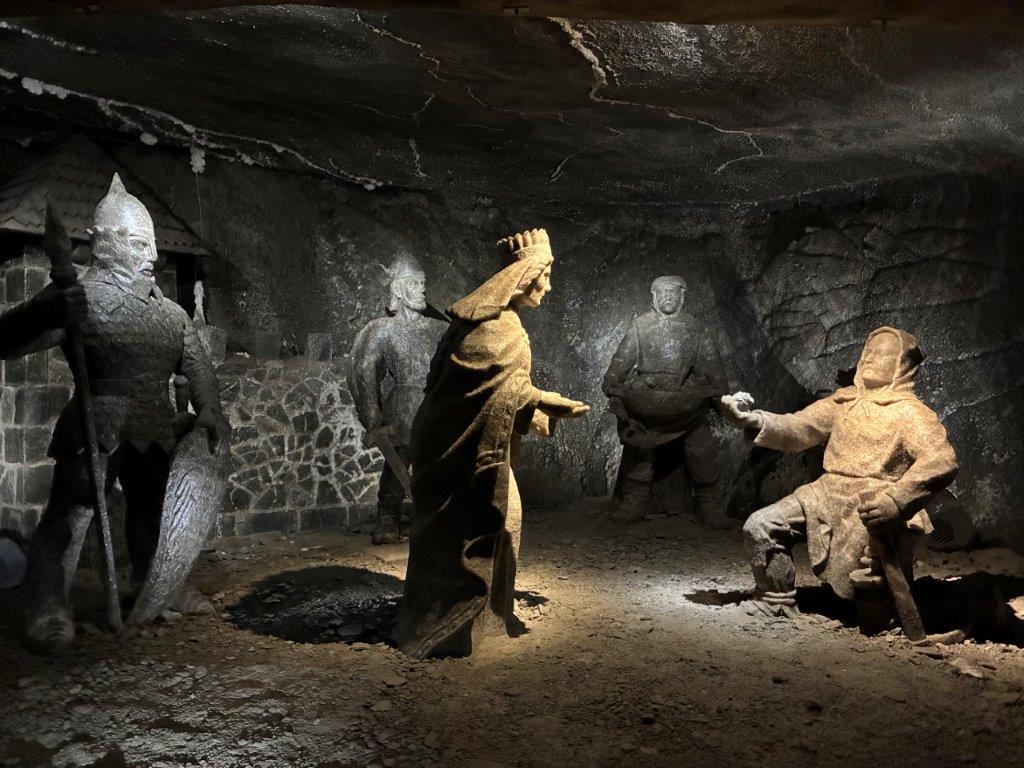
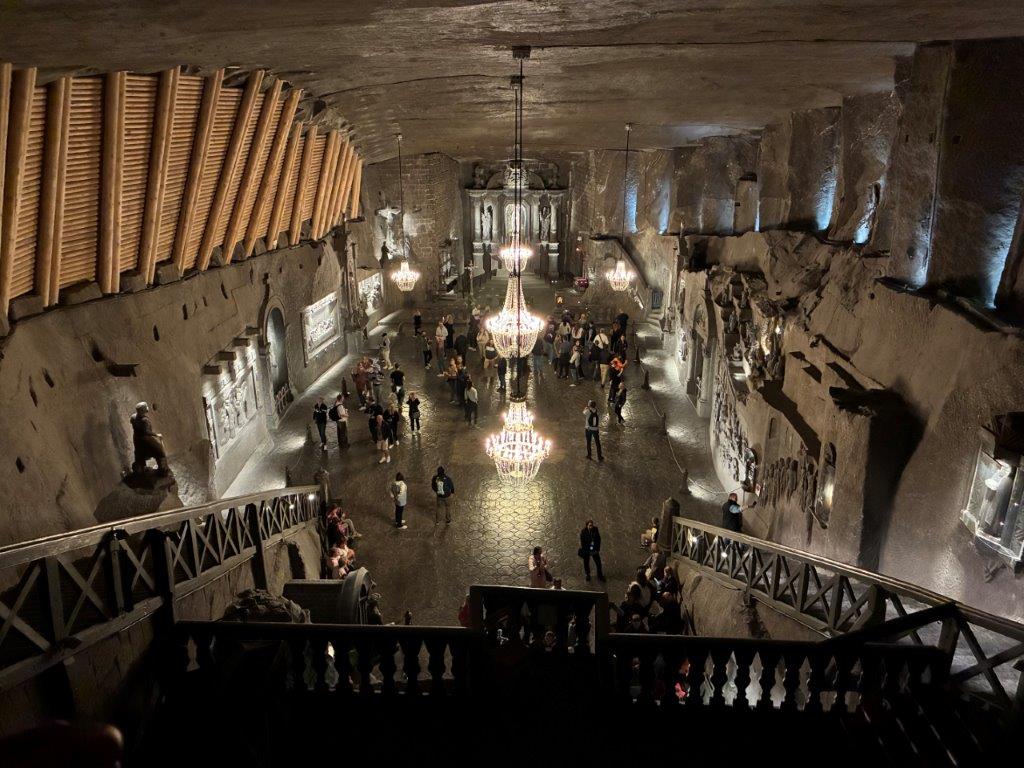 You should book online in advance to get a tour in the language you need on a date and time that works for you. You can take public transport to the salt mine, but for four of us we found it was as cheap and much quicker to get a Bolt taxi. Both Bolt and Uber operate in Kraków and are pretty inexpensive compared to the UK.
We did a morning tour, so we went for lunch afterwards at Restauracja Kultowa opposite the exit. The salads were excellent, and it was much nicer than the underground canteen in the salt mine. Though we did pause before exiting the mine to buy some salt in the shop!
 8. Explore Kraków’s historic Jewish quarter
As mentioned at the start, our apartment was in Kazimierz, the Jewish quarter. After being neglected in communist times, the area has been revived and is where many of Kraków’s best restaurants and bars can be found. It’s also a nice area to walk around and explore, including visiting Remuh Synagogue, which has been restored and has an attached cemetery.
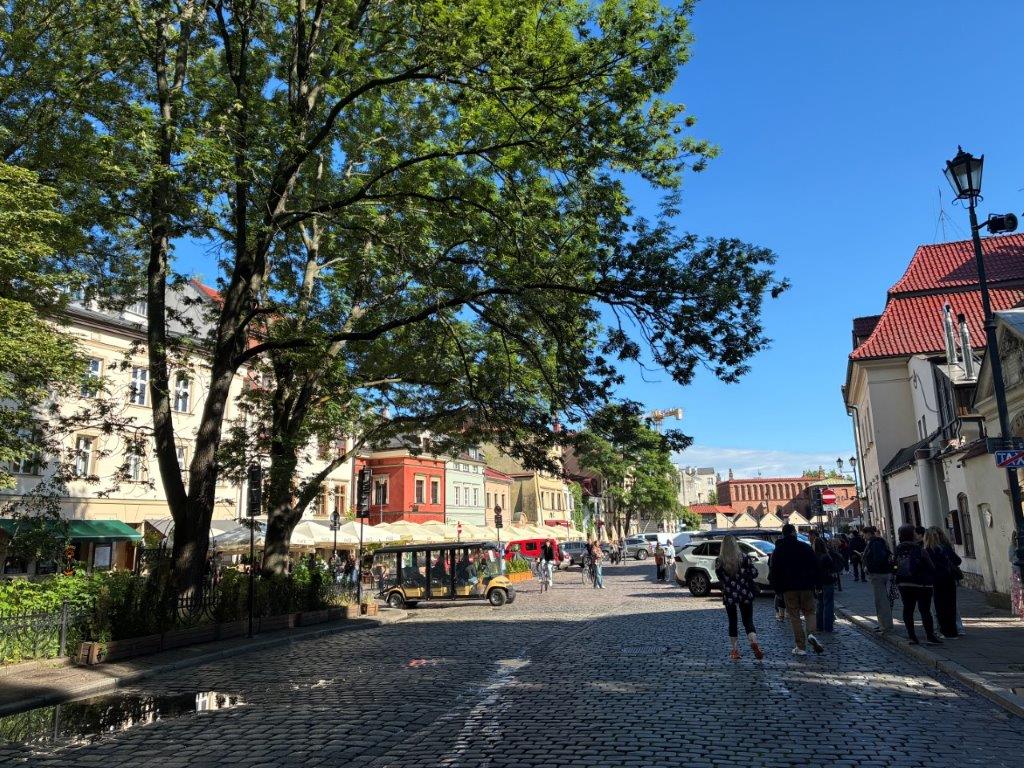
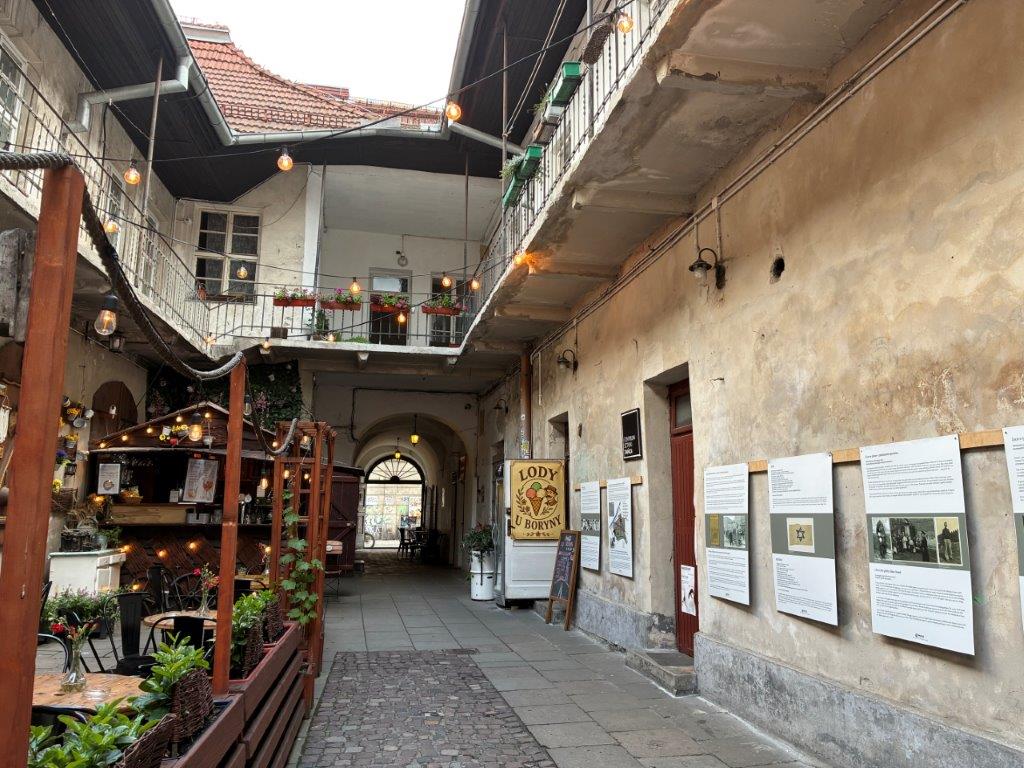
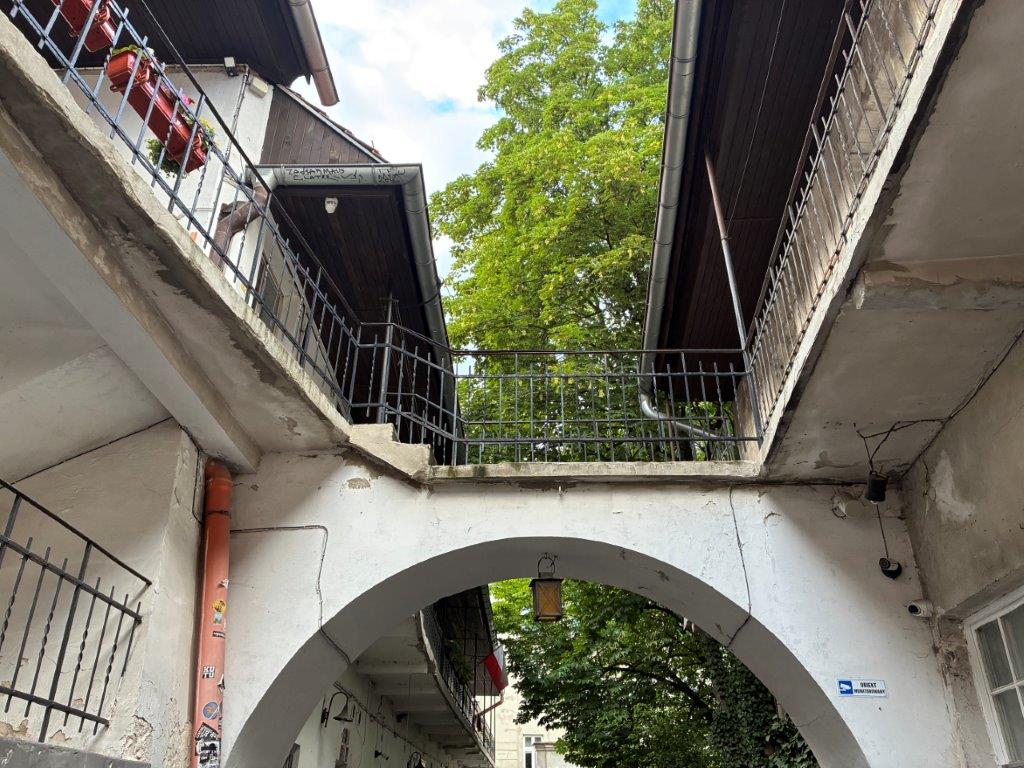
 Also worth seeking out is the passageway that was used as a stand-in for the Jewish ghetto in Steven Spielberg’s film Schindler’s List. Most residents of the Nazi-built ghetto were sent to their deaths at concentration camps in World War II. An exhibition in the passageway is dedicated to their memory, and you can also see the balcony used in the film by Nazi soldiers to throw the Jewish families’ belongings to the ground.
You should also check out Okrąglak, a food court in a round house in the centre of Kazimierz’s Plac Nowy. It’s a good place for cheap eats, as most of the stalls sell zapiekanka, also known as poor man’s or Polish pizza.
 9. Get a taste for all things Polish on a tipsy food tour
We tried out zapiekanka amongst other things on the Kraków Tipsy Polish Food Tour, which started in Kazimierz just opposite the roundhouse and finished in the old town. We booked the three-hour tour at 5.30pm, so it would serve as our evening meal. Though I wouldn’t say the food portions were huge compared to other food tours I’ve done.
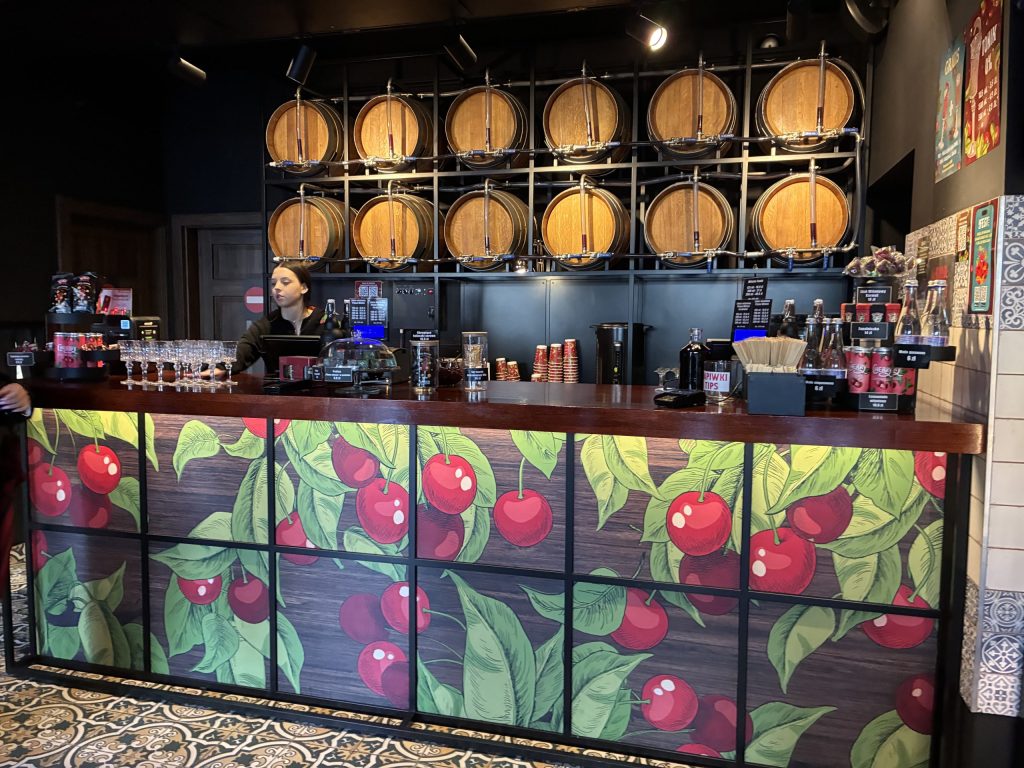
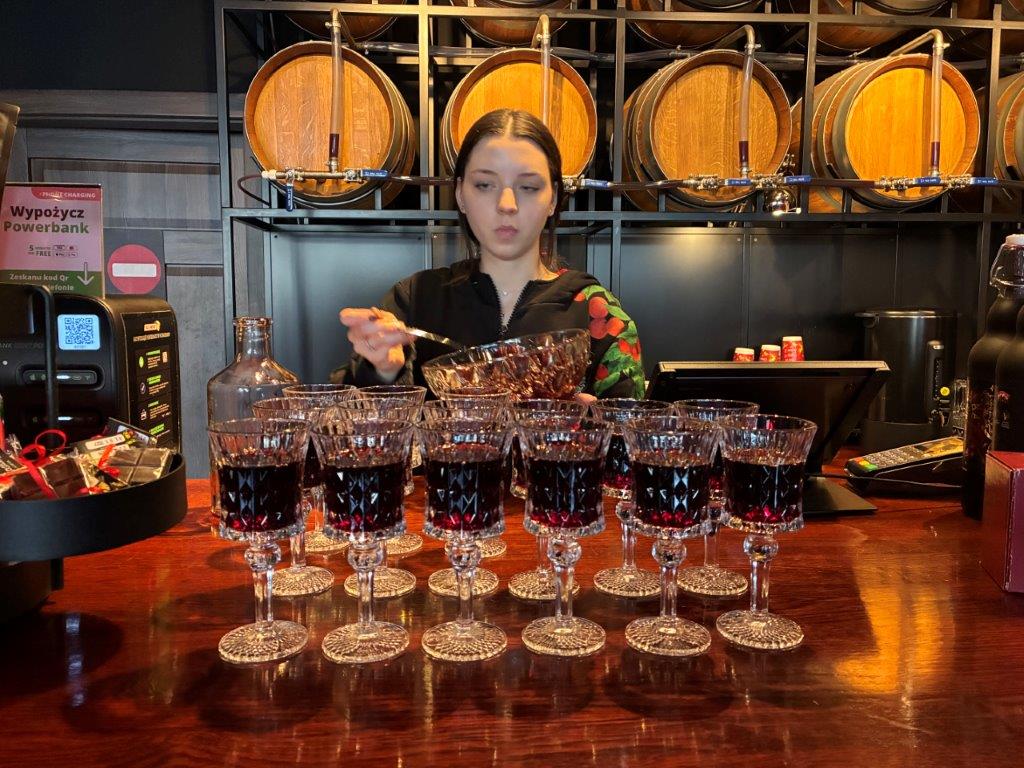
However, we had a brilliant time touring six venues with a fun guide and trying out food, including herring, pickles and pierogi, plus pork butter and meat stew for the non-vegetarians. The drinks included lemon vodka and apple pie vodka at Klub Wodki and cherry liqueur at Pijana Wisnia (which translates as drunk cherry). We’d never heard of this Ukrainian chain before, but loved the cherry drink so much we went back many more times to different branches in Poland! It’s the only drink they sell, and people of all ages pop in for a glass at all times of the day and night.
 10. Enjoy Kraków’s excellent dining and drinking scene
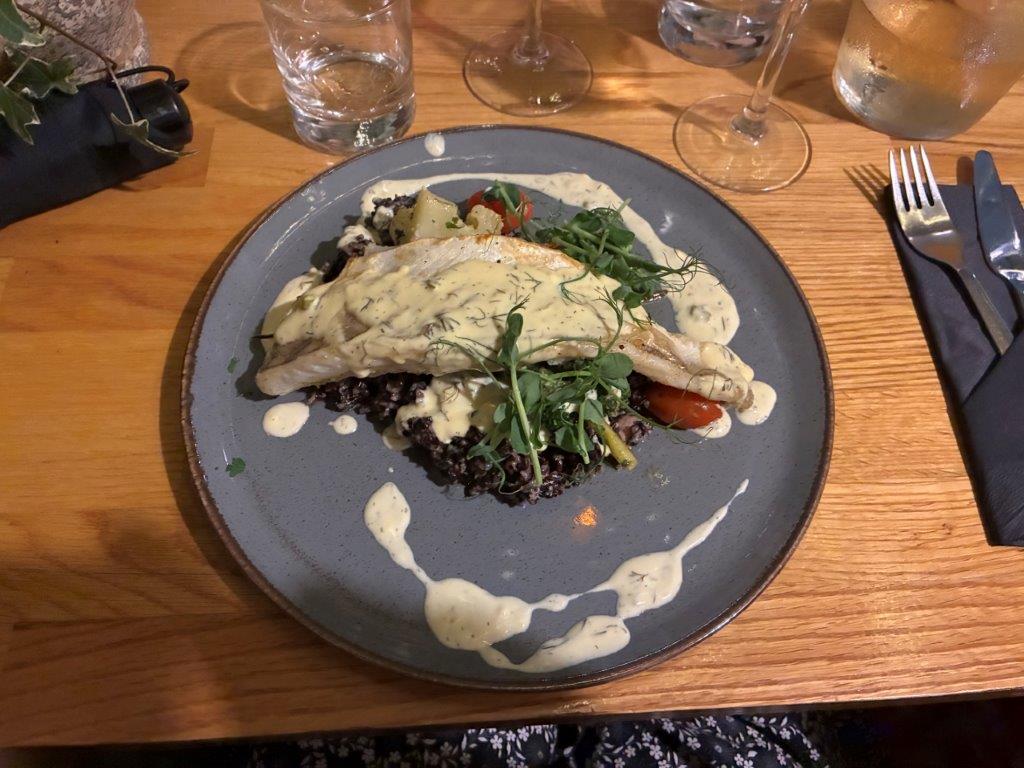
Kraków has become known for its brilliant dining and drinking scene, and as mentioned, many of these are in the Kazimierz area. Our favourite meal was at Pierwszy Stopień. Poland isn’t known for its vegetarian options, but this restaurant had delicious meat, fish and veggie options.
 We also liked Hevre, which is a former synagogue that’s been turned into a bar and restaurant. The food wasn’t as interesting as Pierwszy Stopień but was good quality, and the venue has a great vibe.
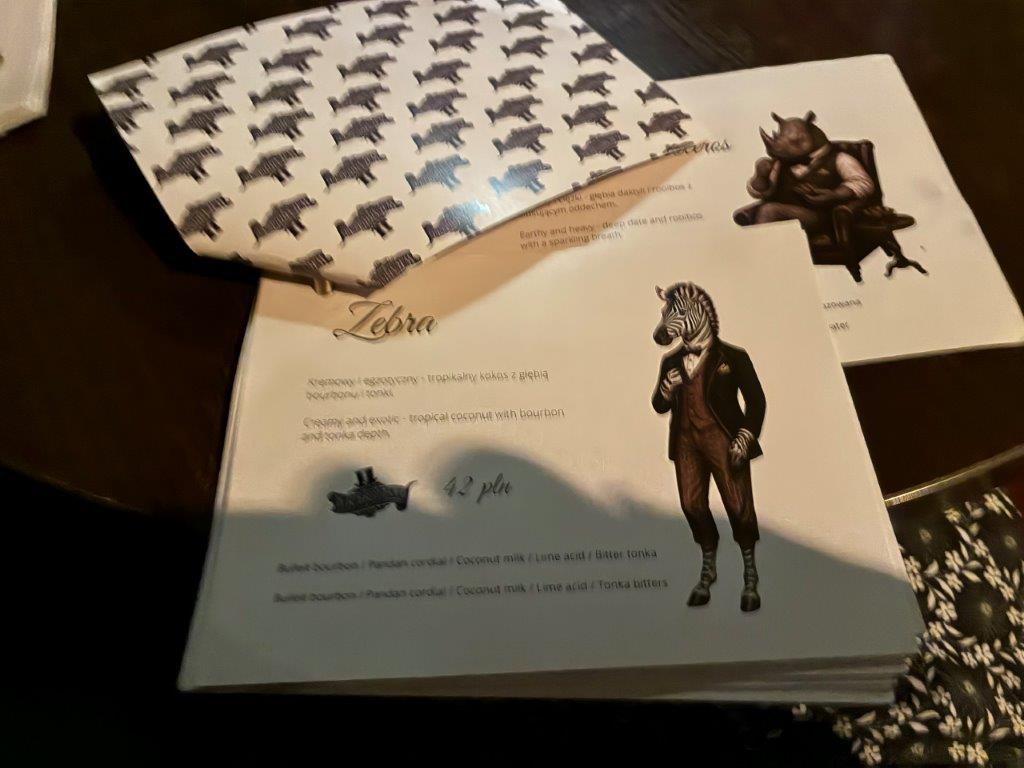
 For drinks, apart from the cherry and vodka bars, we like a cocktail bar, and William Rabbit & Co speakeasy was our top choice. I don’t want to spoil it by giving too much information. So, just turn up at the address I’ve linked to, ring the bell to speak to the host and then wait to see what happens! We didn’t book either evening we went there, but they asked if we had a reservation, so I guess you can book tables. The menu of cocktails is fab, with inventive drinks named after animals. But of course they do all other types of drinks too.
 If you can’t get into William Rabbit, other options in Kazimierz are Empire of Cocktails and Old Fashioned. Also, Mercy Brown in the Old Town area. We went there on a Sunday night, which was fairly quiet, but the jazz singer was great.
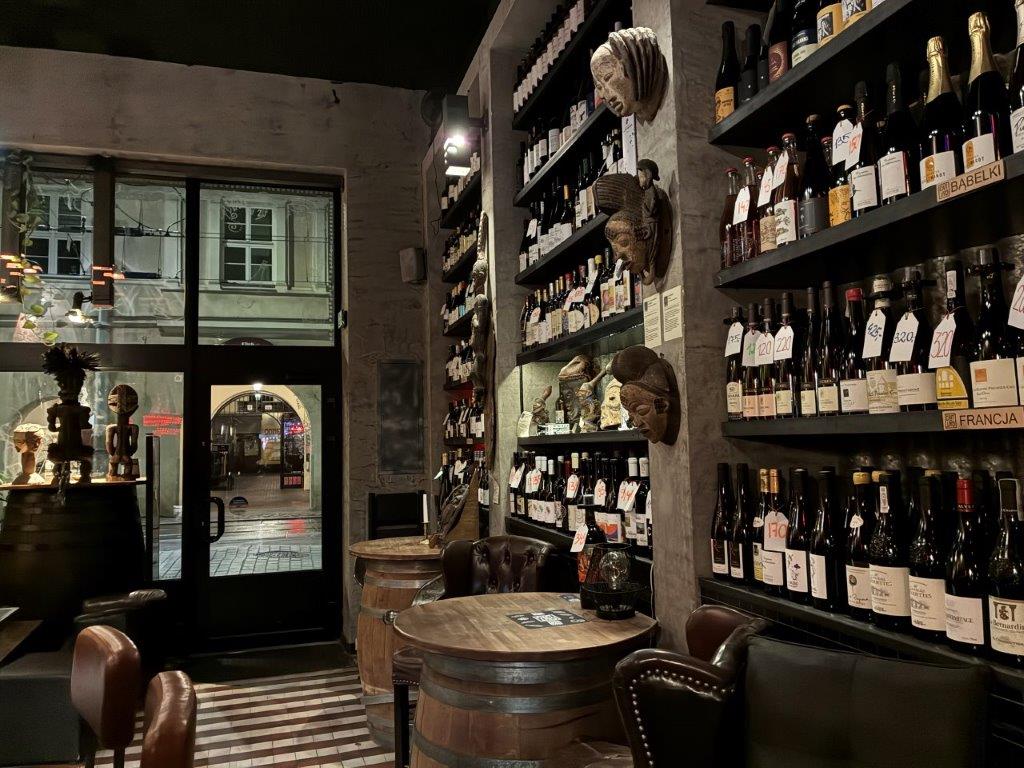
There are also lots of wine bars in the Kazimierz area. We went to Noto after arriving at our apartment at around 10pm, as they serve great cheese and charcuterie plates and other snacks until 11pm. We also went to CiutCiut Wine Bar, which is a fab small place with quirky decor.
So that was how my friends and I made the most of what Kraków has to offer. Though, as mentioned, we also spent a day visiting Auschwitz-Birkenau, which I’ll write a separate post about. To read that and posts about the other Polish destinations on my trip, keep an eye on the Poland section of my blog.
Discover more from TRAVEL COCKTAIL
Subscribe to get the latest posts sent to your email.