Tunnel 29 is a story that’s packed with fascinating characters and page-turning action that will have you gripped. But the most amazing thing about what sounds like an excellent work of fiction, is that it’s all true. Helena Merriman has expertly brought to life the incredible story of a brave group of men who took on the Berlin Wall and won.
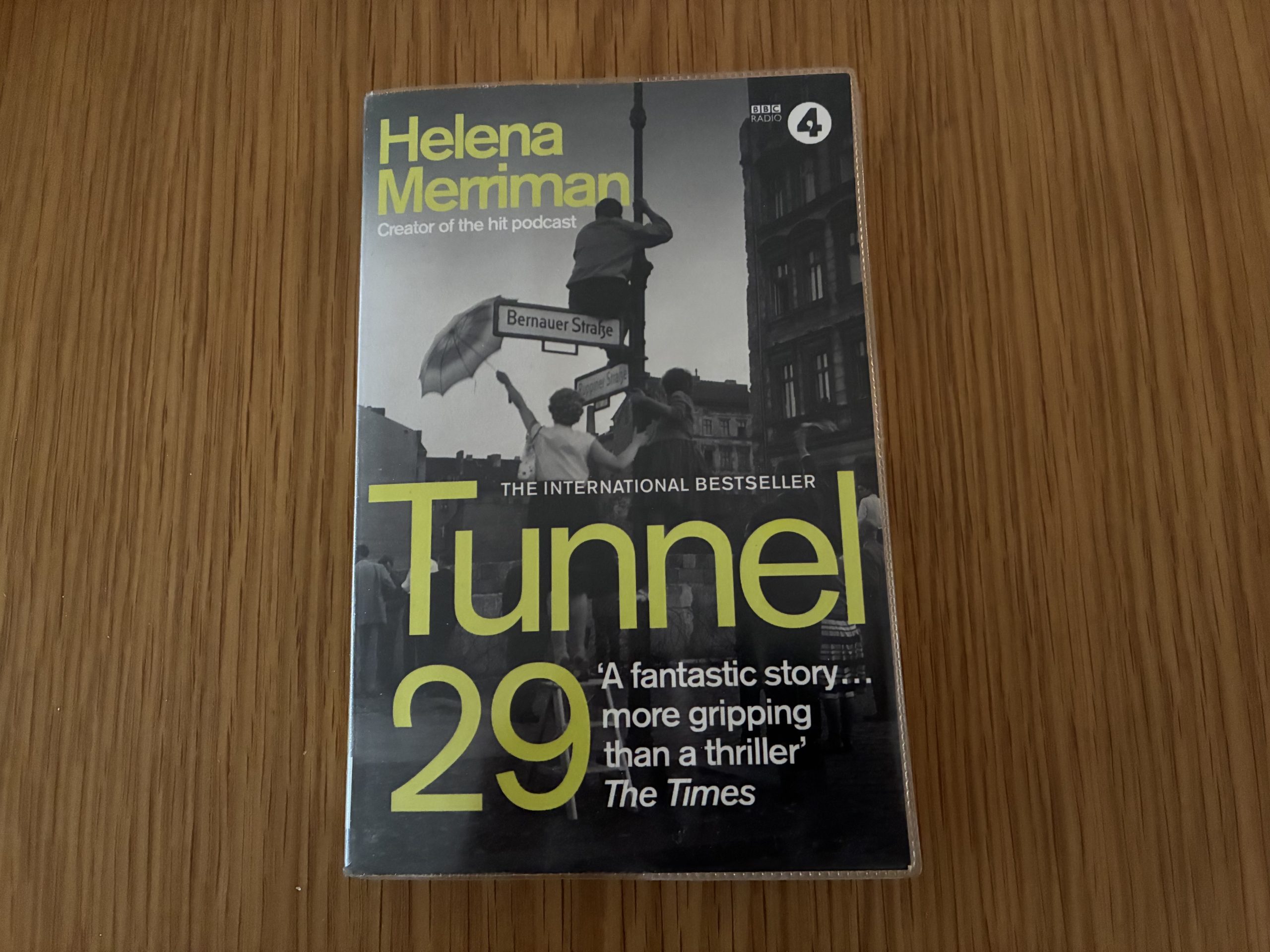 As might be evident by the title, Tunnel 29 is about the creation of a tunnel. One that went from West to East Berlin in the summer of 1962, right under the feet of the VoPo guards who patrolled the border. It’s also about the determination and fortitude of the men who dug the tunnel and about the desperation of the East German people who longed to escape to the West.
Tunnel 29 is largely told from the perspective of Joachim Rudolph, whom Merriman spent many hours talking to, originally for a podcast series of the same name that was broadcast by BBC Radio 4. Joachim was one of the first diggers to join the group, following his own escape from the brutal East German regime. Like many of the other diggers, he was an engineering student, making him uniquely qualified to help create the most sophisticated Berlin Wall tunnel to date.
Because yes, there were other tunnels. Some of which succeeded and some of which failed. There were also many other methods of escape used, but as the early part of the book explains, the ability to cross the border became increasingly more difficult.
I visited Berlin in 2015 and took in all of the main sights, including Checkpoint Charlie and the Berlin Wall Exhibition in Bernauer Strasse. I learned a lot then, but Tunnel 29 brought a whole new perspective and understanding to what the East Germans had to contend with. What started as a barbed wire fence that appeared overnight became a virtually impenetrable wall patrolled by guards who were prepared to shoot and kill, rather than let their fellow citizens choose a life in the West.
The story of Tunnel 29 is an extraordinary one. The risks the young men were willing to take to create this tunnel of hope is truly inspirational. Some of them did it to get friends or relatives into West Berlin. Joachim didn’t. He just wanted to help. Merriam’s description of the relentless digging and the obstacles they faced makes you wonder why he didn’t give up. And yet he didn’t, and there is no spoiler in saying he lived to tell the tale, since he was Merriman’s primary source.
She also went through reams of Stasi documents to flesh out the story, so it includes incredible insights into the huge network of spies and informants the East German secret police had working for them. Informants who betrayed friends, neighbours and family members.
Tunnel 29 also highlights the role of an American TV network that filmed the tunnel’s creation, almost from the start. While the resulting documentary focuses mainly on the two Italian students who kick-started the tunnel rather than Joachim, and is now very dated, I found it fascinating to see the real footage of the tunnel I’d been gripped to read about. You can view it for free on the Odysee website.
The book is certainly one of the most informative and eye-opening I’ve read for a while, but it’s also as suspenseful as any fictional thriller, and I’d highly recommend reading it.
I borrowed a copy of Tunnel 29 from my local library. You might also find a secondhand copy at your local Oxfam shop or the charity’s online store.
For more book reviews, visit the Books section of my blog, and you can read about my visit to Berlin in this post.
Discover more from TRAVEL COCKTAIL
Subscribe to get the latest posts sent to your email.